

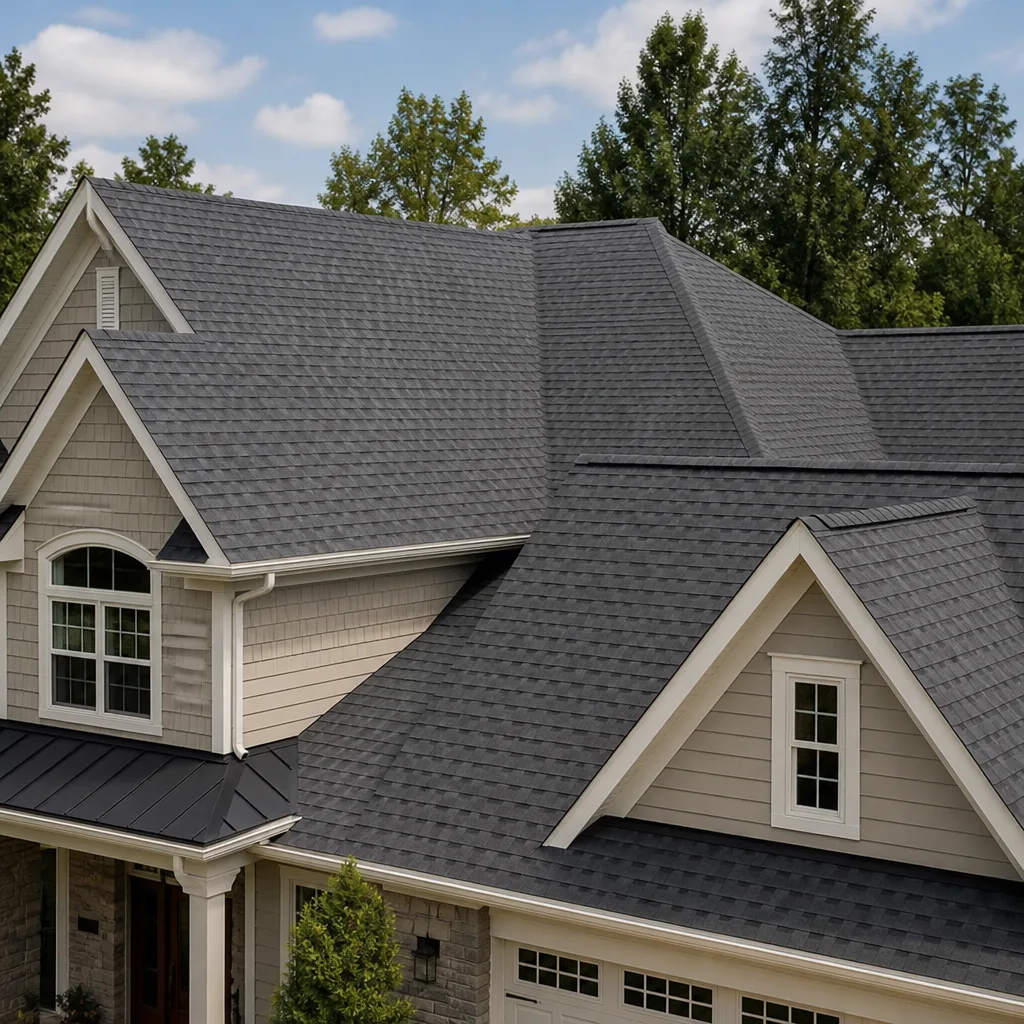
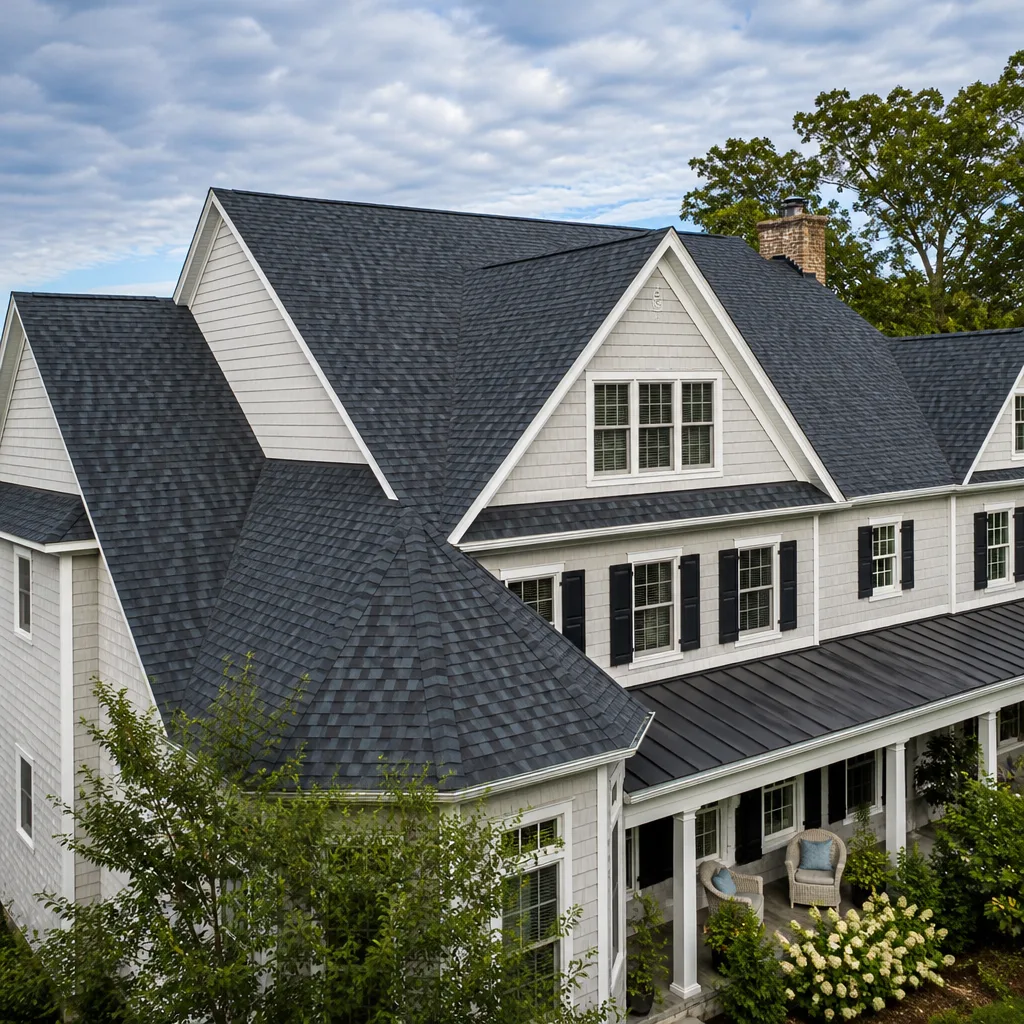
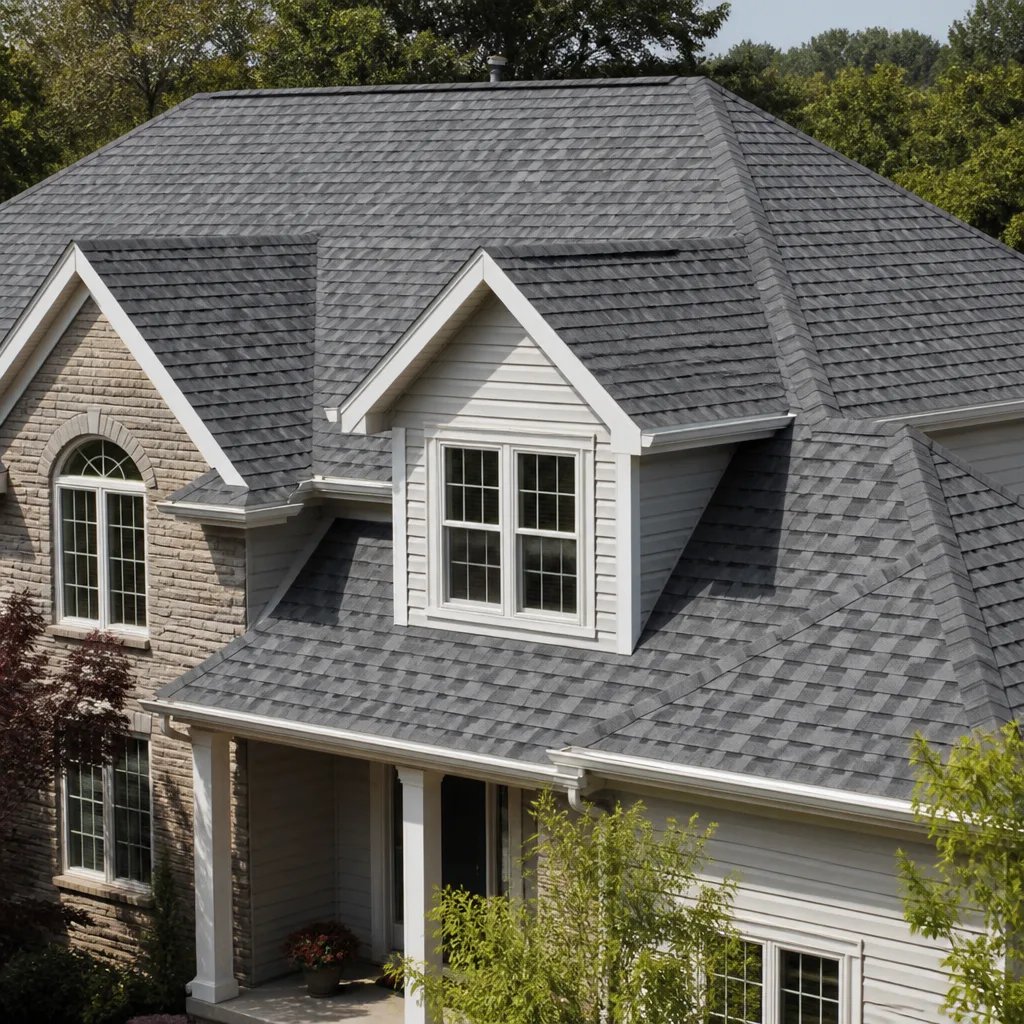
 Architectural shingles
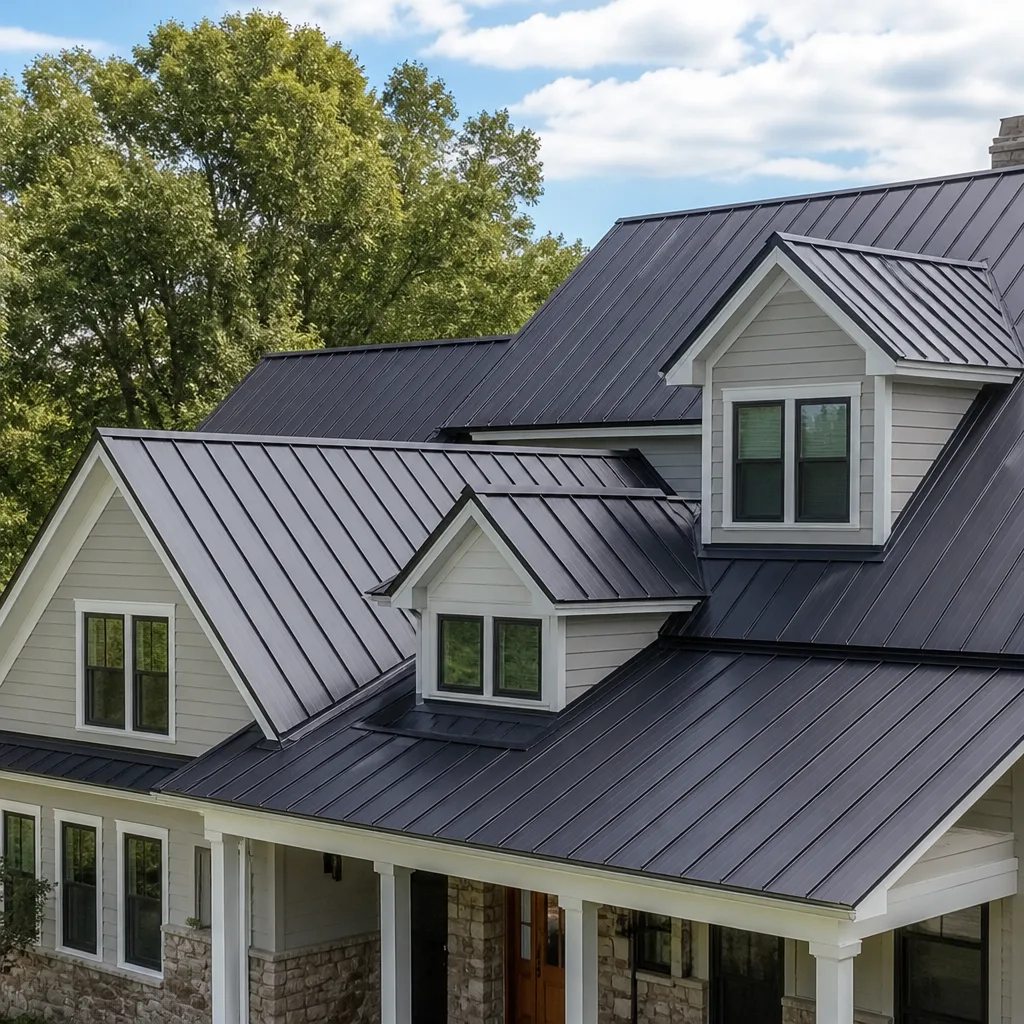 Metal roofing
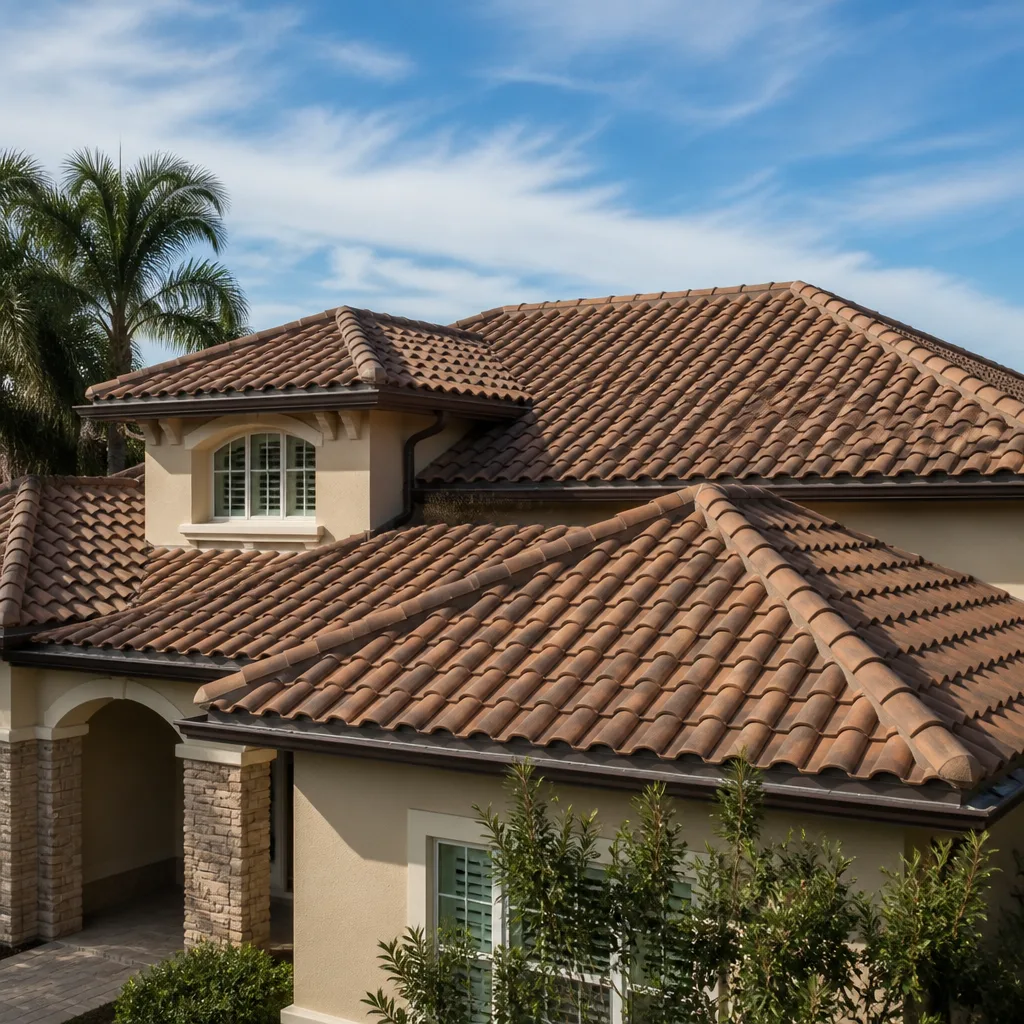 Tile roofing
 GAF
 Owens Corning
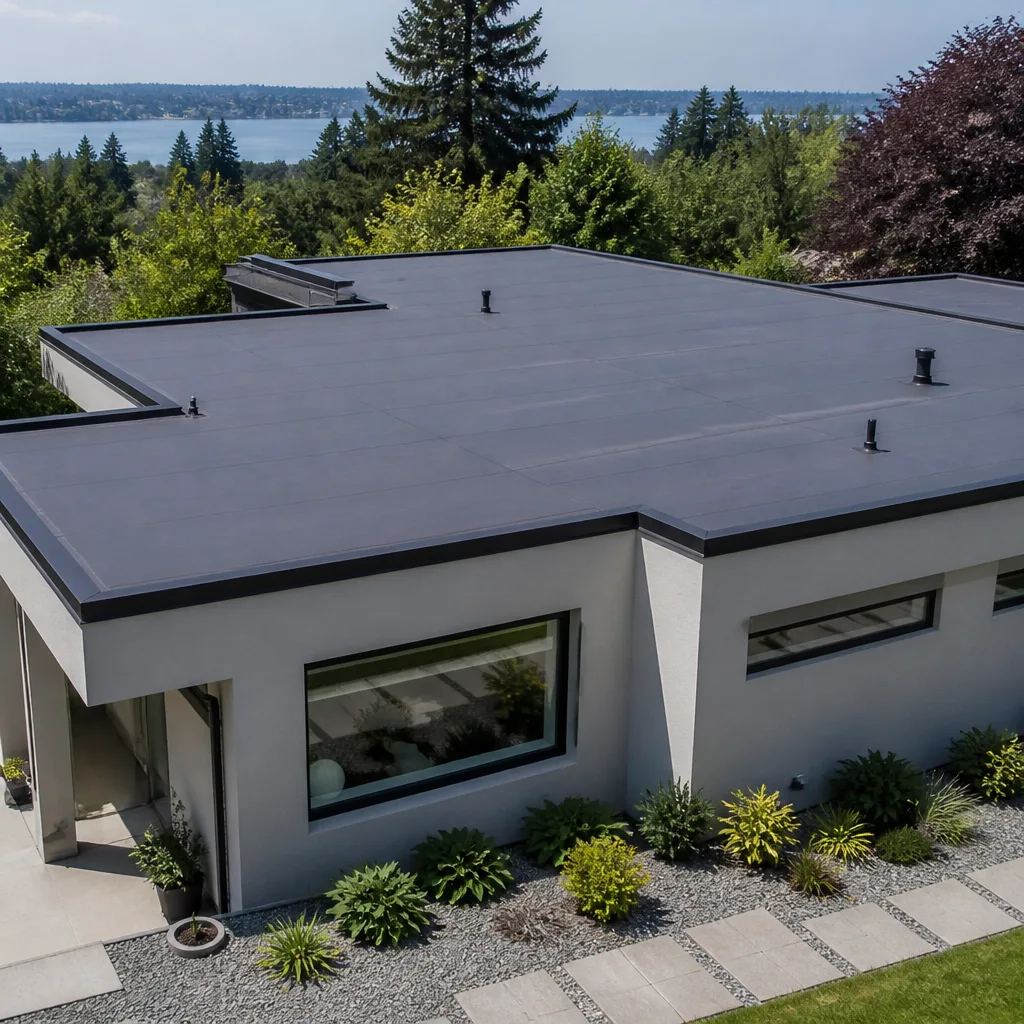 Flat & low-slope
Free roof inspection with deck photos before we talk money - GAF and Owens Corning certified installation
Fast, Reliable Roof Replacement Across Koreatown
A full roof replacement in Koreatown typically runs between $9,500 and $28,000 depending on whether it’s a flat membrane on a 1920s apartment building or a pitched shingle job on a residential side street. Most Koreatown jobs we handle are not simple shingle re-roofs. They’re low-slope and flat roofs on dense 1- to 4-story buildings where access, staging, and penetration work drive the quote as much as the roofing itself. If you’re off Olympic, Western, or Vermont and your roof has hit the point where patching no longer makes sense, call us at (844) 966-3891 for a straight assessment, no obligation attached.
We know this neighborhood’s roofs. We’ve worked the tight alleys behind 1930s apartment blocks. We’ve navigated permit-parking streets where a debris box needs its own plan. And we’ve rebuilt more rooftop mechanical decks than we can count. Local conditions dictate how a Koreatown roof gets replaced, and we plan the job around them from the first walkthrough.
Why Crown Line Roof Repair Is Koreatown’s Preferred Roof Replacement Company
Koreatown’s housing stock is unique: blocks of 1920s through 1970s low-rise apartments and mixed-use buildings, many of them with flat or low-slope roofs that have been patched more times than replaced. A roofer who only does pitched shingle work is going to misread these buildings. We don’t. Our team, led by Noel Carrasco, has spent years working the specific problems Koreatown roofs present: original wood-frame parapets, rooftop equipment penetrations, rear alleys that barely fit a van, and shared party walls where the neighboring owner needs notice before tear-off starts.
We approach every Koreatown job the same way: inspect first, then recommend. If a roof can be repaired and hold for another five or seven years, we’ll say so. If replacement is the honest answer, we’ll show you the numbers and explain why. Our Roof Replacement process is built on material knowledge across seven major shingle and membrane manufacturers, which means we’re not steering you toward a brand that pads a quota. We’re matching what your building actually needs.
Koreatown homeowners and building managers call us because we show up knowing what to look for. A leak near a ceiling stain on the third floor rarely starts where the water shows. On these old flat roofs, the culprit is often a cracked seam at a parapet or a failed curb under a rooftop condenser that’s been caulked and re-caulked for twenty years. That’s the diagnostic difference. Call (844) 966-3891 and we’ll walk the roof with you.
Styles & brands we work with
New Roof Installation in Koreatown
New Roof Installation in Koreatown means one of two things: a full tear-off and replacement on an existing building, or a fresh roof on a new build or addition. On the older apartment and mixed-use stock along Olympic, Western, and Vermont, a new roof installation almost always involves removing multiple layers of old built-up or tar-and-gravel roofing, assessing the underlying deck, and then deciding between a modern modified-bitumen membrane, a TPO system, or a traditional multi-ply build-up, depending on what the structure and drainage can support. A typical new roof installation on a Koreatown apartment building runs $14,000 to $28,000, while smaller residential side-street homes in the 1910s-20s Craftsman and Spanish stock usually fall between $9,500 and $16,500.
Tear-Off and Deck Assessment
Before any membrane goes down, we expose the deck and look at what the last five decades left behind. Koreatown roofs from the 1920s through the 1970s often have original wood decking that’s suffered from decades of trapped moisture around penetrations and parapet bases. We replace rotted deck sections before we lay anything new. Skipping this step is how a new roof starts leaking in year three.
Flat and Low-Slope Membrane Systems
Most Koreatown multi-unit buildings want a membrane that handles constant UV and thermal cycling, not heavy rain. We work with materials from CertainTeed, GAF, IKO, Atlas, and others to match the building’s drainage profile and roof access reality. The membrane choice matters less than the flashing and curb work around rooftop equipment, and that’s where we spend the most time on a new installation.
Reroofing in Koreatown
Reroofing in Koreatown is the more common job: the existing roof has failed or is near failure, and the building owner wants a new membrane or shingle system installed over a prepared deck, usually without necessarily gutting the whole roof assembly. On Koreatown’s flat-roof apartment stock, reroofing typically means tearing off the old tar-and-gravel or dried-out built-up layers, repairing the wood deck, re-flashing every penetration, and installing a new low-slope system. A reroof of a typical Koreatown 2- to 3-story apartment building runs $12,000 to $22,000. A smaller pitched reroof on a side-street house, with architectural shingles, runs $8,500 to $14,500.
The Penetration Rebuild
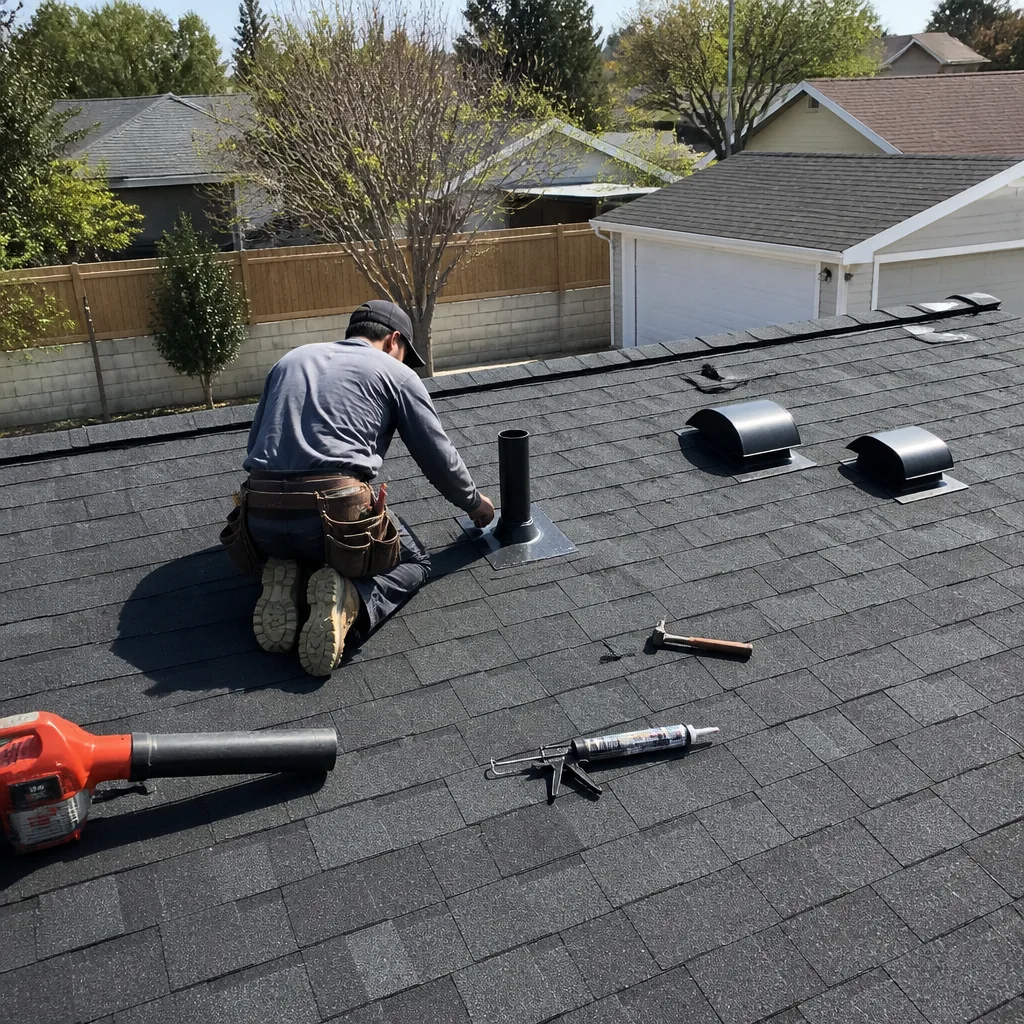
Here’s what most generic roofers miss on Koreatown reroofs. The roof on an older apartment block is also the mechanical deck. Decades of re-mounted HVAC condensers, swamp coolers, satellite dishes, and signage frames have left a field of penetrations, each one a future leak point. A proper reroof means re-curbing and re-flashing every one of those penetrations, not just spreading another layer of mastic over the last guy’s caulk. We rebuild each curb, install proper flashing boots, and protect the base with ice and water shield before the new membrane goes down.

Parapets and Coping Seams
The original wood-frame parapets on Koreatown’s 1930s buildings move every day. Sun heats them, night cools them, and the seams at the coping and flashing open up. Repeated patch-over hides the movement instead of relieving it. A proper reroof addresses the parapet seams directly: we strip the old coping, repair the wood frame where rot has set in, and install new metal coping or flashing that can move without tearing. Skip this and the new roof leaks at the edges within two hot summers.
Trusted Brands We Service in Koreatown
We’re brand-agnostic by design. Our Koreatown jobs have included CertainTeed, Owens Corning, and IKO materials, among others, and we stock common flashing components and membrane accessories locally so we don’t lose days waiting on parts. That matters on a constrained job site where time on the roof is already tight. Seven major brands. One honest recommendation. We work with your roof’s existing materials, not against them. Whether the building was last roofed with a specific manufacturer’s system or the owner wants a clean switch, we match the recommendation to the roof and the budget, not the other way around.
See the difference
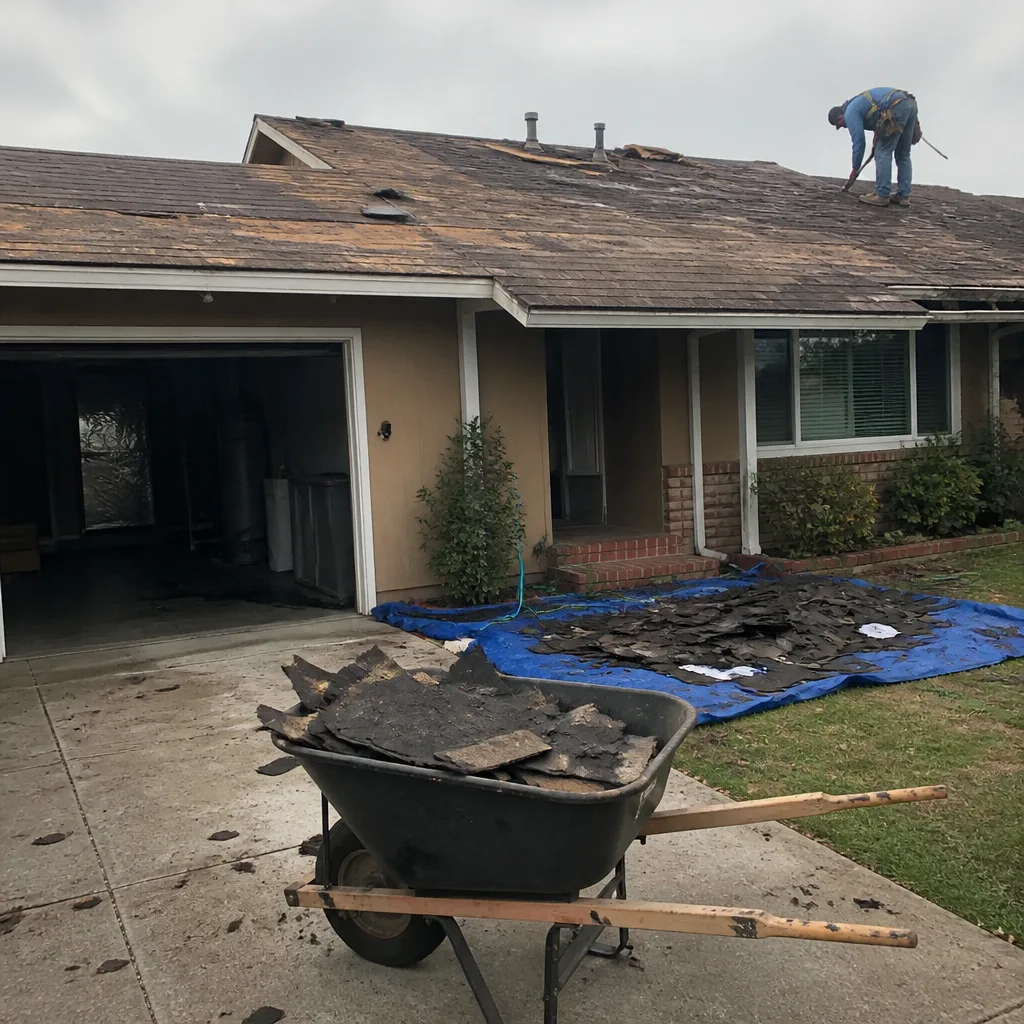 Before
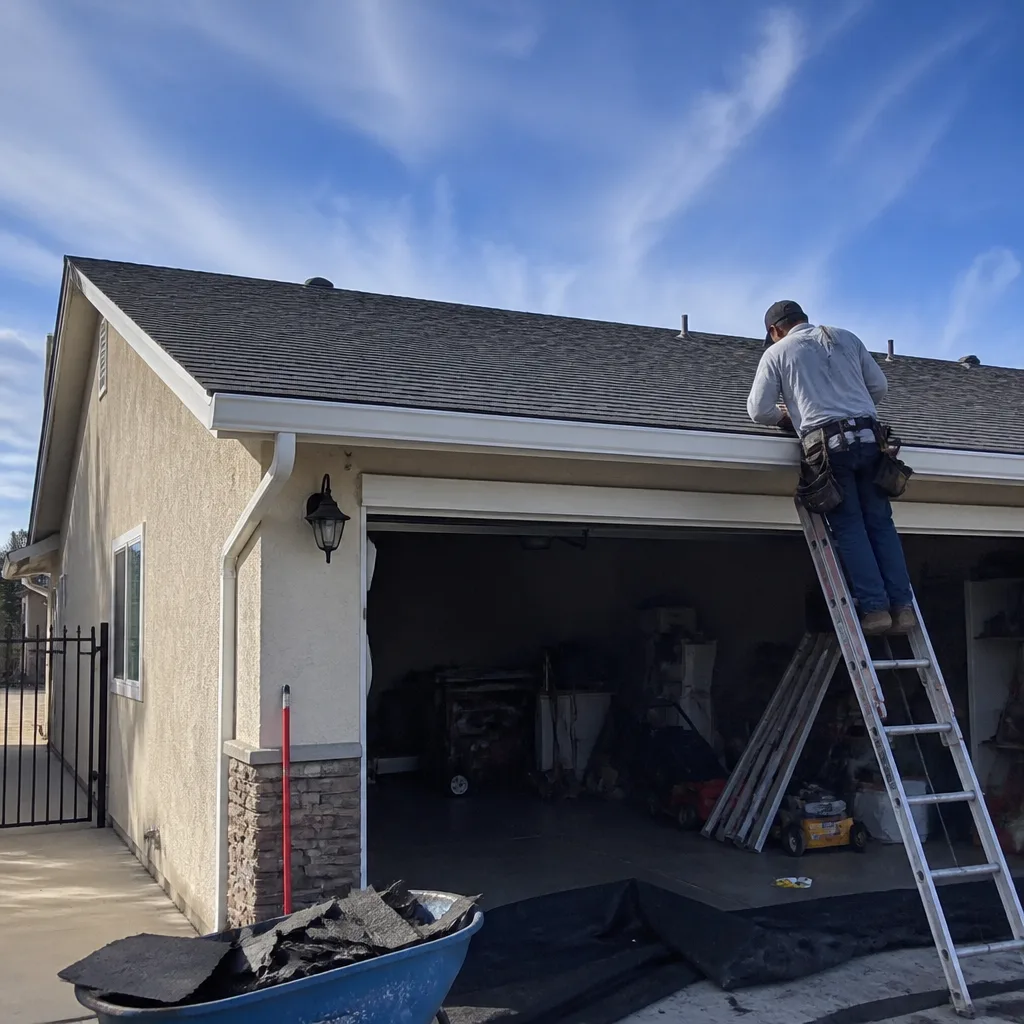 After
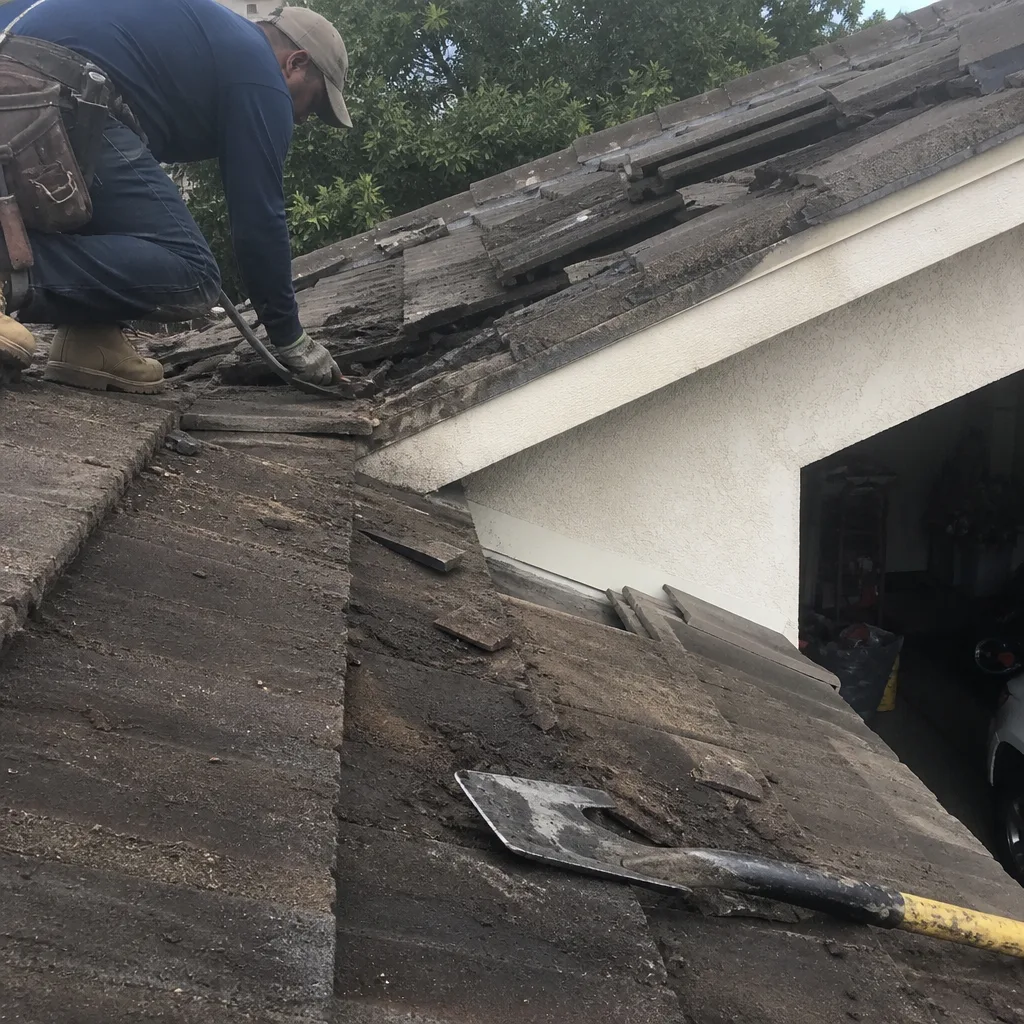 Before
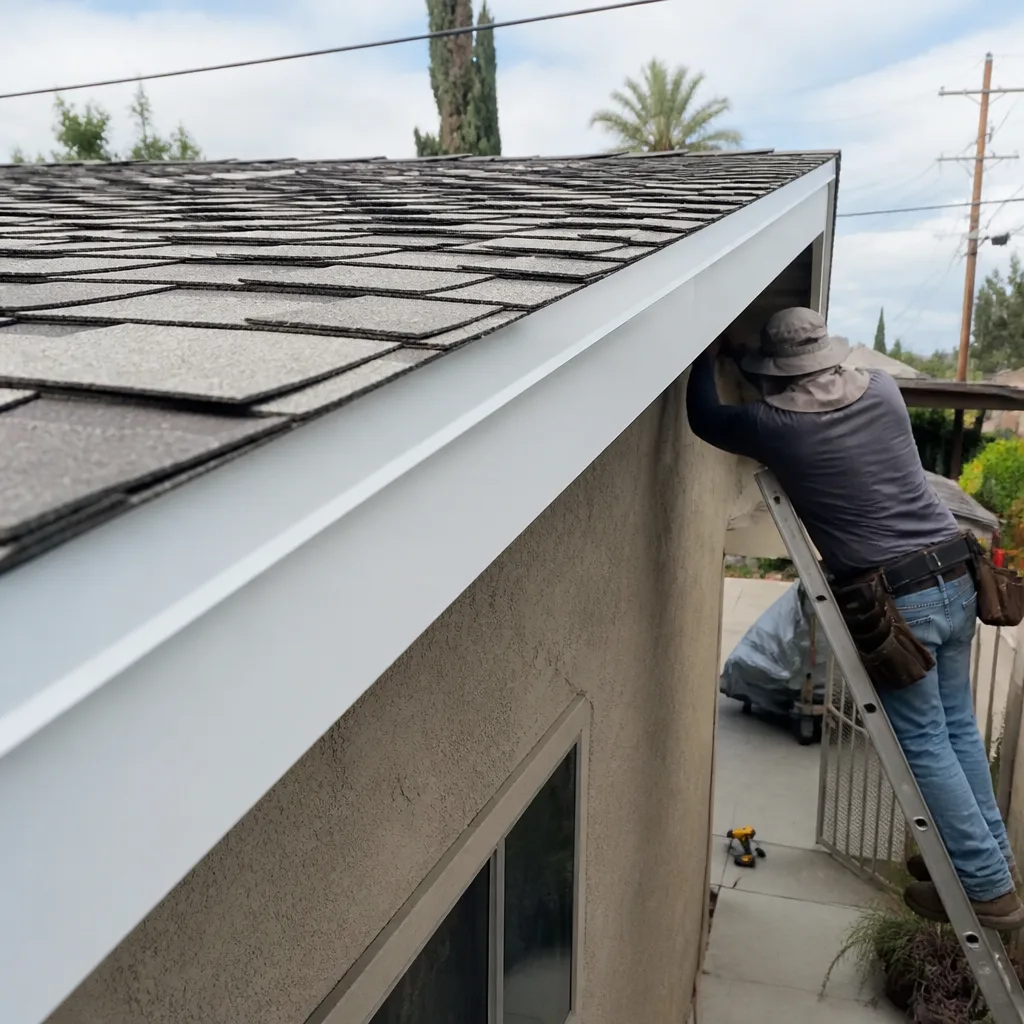 After
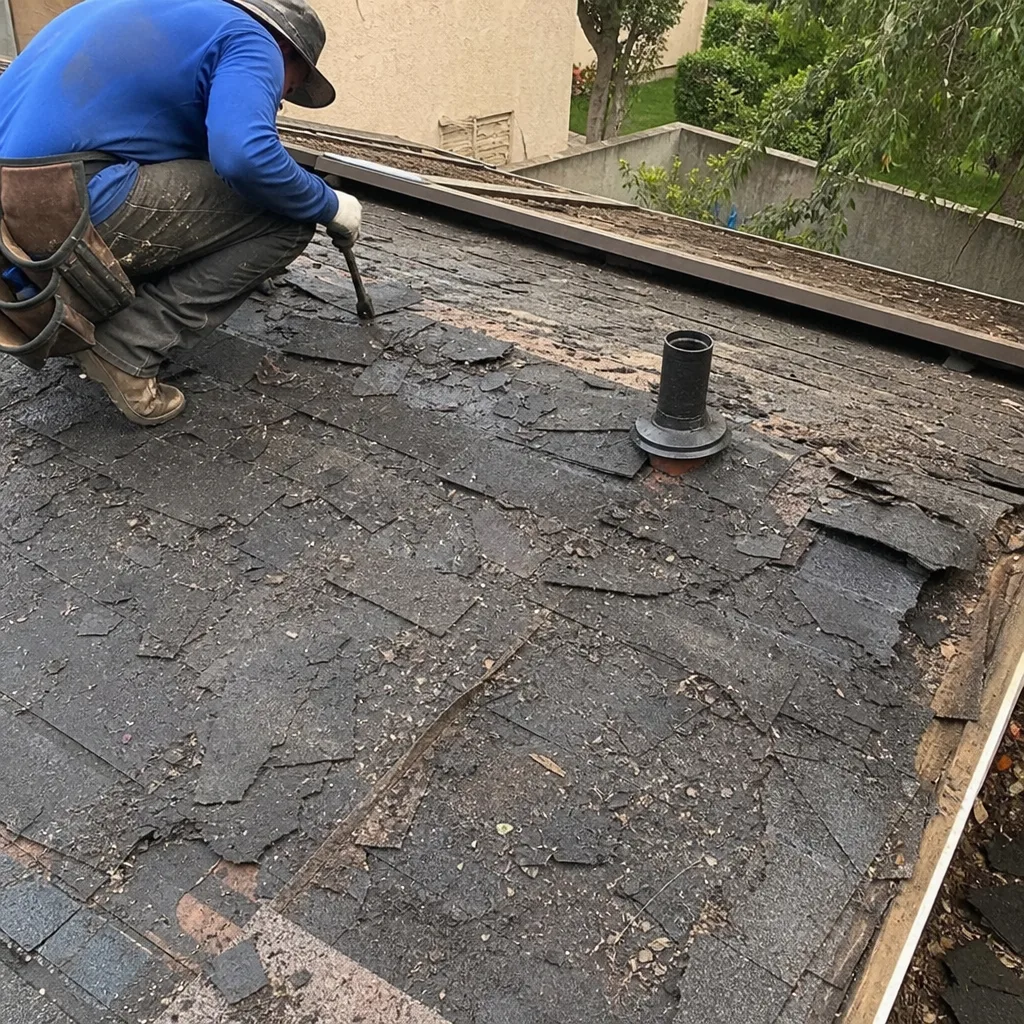 Before
 After
Common Roof Replacement Problems We See in Koreatown Homes
- Caulk-sealed rooftop equipment that fails after every hot spell. Uncurbed condensers, swamp coolers, and dish mounts on older flat roofs leak the moment UV cracks the mastic. The leak rarely starts where the water shows up inside the building. We chase the penetration, not the stain.
- Parapet seams that open daily from thermal cycling. Original wood-frame parapets expand and contract under Koreatown’s near-zero-rain, high-UV conditions. Seams at the coping and flashing open, and patch-over jobs hide the movement instead of relieving it. The only real fix is stripping and re-flashing the parapet.
- No staging space and one-van alleys. Many Koreatown buildings have rear access that barely fits a single van, with no room for a debris box or material laydown. We’ve staged jobs on sidewalks with city permits and hand-carried materials through hatches. Access planning is part of the quote, not an afterthought.
- Drain and scupper failures that show up during atmospheric-river storms. Koreatown roofs fail mostly from sun, but the rare winter downpour exposes every clogged flat-roof drain and failed scupper at once. Regular inspection catches these before the ceiling does. We offer roof inspection as a standalone service, meaning you get an assessment with no replacement commitment attached.
One job sticks in our minds. We tore off a dried-out tar-and-gravel built-up roof on a 4-story 1930s apartment building off Olympic near Western, where the rear alley gave us roughly the width of one van and no place to land a debris box. Our techs cut the old membrane into manageable sections, lowered them in a handler through the roof hatch, and rebuilt the deck-side penetration forest: a swamp cooler and three condenser curbs, each with new curbs, ice and water shield, and flashed boots before laying the new low-slope membrane. We handed the building manager a party-wall notice schedule a week ahead so tenants and the adjoining owner knew exactly when the loud tear-off window hit. That’s what a Koreatown roof replacement actually looks like on the ground.
Pricing for Roof Replacement in Koreatown, CA
Let’s talk straight numbers for Koreatown. A full flat or low-slope roof replacement on a typical 2- to 3-story apartment or mixed-use building in the 90005 ZIP runs $12,000 to $22,000, with larger buildings or heavy deck repair pushing toward $28,000. A pitched shingle reroof on a residential side-street house runs $8,500 to $14,500 for architectural shingles. New construction roofs, including decking and underlayment, usually land between $9,500 and $18,000 depending on roof area and pitch. What moves the price most in Koreatown is access: a one-van alley with no staging and a permit-parking-only street means we’re hand-carrying materials or scheduling a debris box with the city, and that shows up as a line item on any honest quote. You’ll never get a number from us that doesn’t account for how we actually get on and off the roof. Call (844) 966-3891 for a written, line-item estimate. No charge for the walkthrough.
We Also Serve Cities Near Koreatown
Our team is based in Garden Grove and regularly works across Koreatown and the surrounding Los Angeles basin. If you’re a building owner or homeowner in Los Angeles proper, Echo Park, Silver Lake, or Hollywood, the same flat-roof and access expertise applies. Koreatown’s density and building stock are specific, but the problems don’t stop at the neighborhood line.
Serving Koreatown, CA — Our Local Coverage Area
We’re based in the Koreatown area and know this community well. Use the map below to see our service coverage — if you’re nearby, we can almost certainly help.
FAQs About Roof Replacement in Koreatown
Yes, and we’ve done it many times on blocks off Olympic, Western, and Vermont. We plan for it from the first site visit. That means obtaining city permits for sidewalk staging or debris container placement, hand-carrying materials through roof hatches when needed, and scheduling delivery windows around parking restrictions. We also coordinate the tear-off so debris removal doesn’t block a fire exit or the building’s rear entrance. Call (844) 966-3891 and we’ll walk the site and explain exactly how the access plan works for your building.
In almost every case, yes, at least temporarily. A proper membrane replacement can’t be done around rooftop equipment. We remove or disconnect the units, rebuild the curbs they sit on, install new flashing and boots, and then reset the equipment. If a unit was installed without a proper curb, which is common on Koreatown’s older buildings, we build one before the new roof goes down. Leaving equipment in place and flashing around it is how you get a new roof that leaks at year two. We’ll give you a specific equipment plan in the estimate.
Yes, and we handle the notice for you. On Koreatown’s attached apartment blocks and mixed-use buildings, the roof often spans shared party lines. Tear-off is loud, and parapet work at the shared wall can affect the adjoining building. We prepare a notification schedule that tells the neighboring owner and tenants when the disruptive work happens, and we coordinate access if we need to work on their side of the parapet. It keeps the job moving without a stop-work call from the adjacent property.
It differs more in access and penetrations than in material cost per square foot. A two-square flat roof on a Koreatown mixed-use building might run $1,800 to $3,400 including tear-off, deck prep, and membrane, but the real cost drivers are rooftop equipment removal, curb rebuilds, parapet flashing, and the logistics of working above occupied units with no staging space. A residential shingle roof on a side-street house is physically simpler: no hatches, fewer penetrations, easier debris handling. The flat roof bid includes work the shingle bid never sees. Call us for a line-item quote so you can compare what’s actually included, not just the headline number.
Because Koreatown gets very little rain and a lot of uninterrupted UV. Day-night thermal cycling on flat membranes and parapet seams causes expansion and contraction that cracks mastic, opens flashing seams, and dries out modified-bitumen surfaces. Ponding water from clogged drains creates its own slow damage, but the roof that looks fine in June is the one that fails in the February atmospheric-river storm. The sun does the damage; the rare heavy rain just exposes it. A standalone roof inspection before the rainy season is the cheap insurance most Koreatown building owners skip. Call (844) 966-3891 to schedule one, no replacement commitment attached.
Written by Noel Carrasco, Owner at Crown Line Roof Repair, serving Koreatown and greater Los Angeles.