


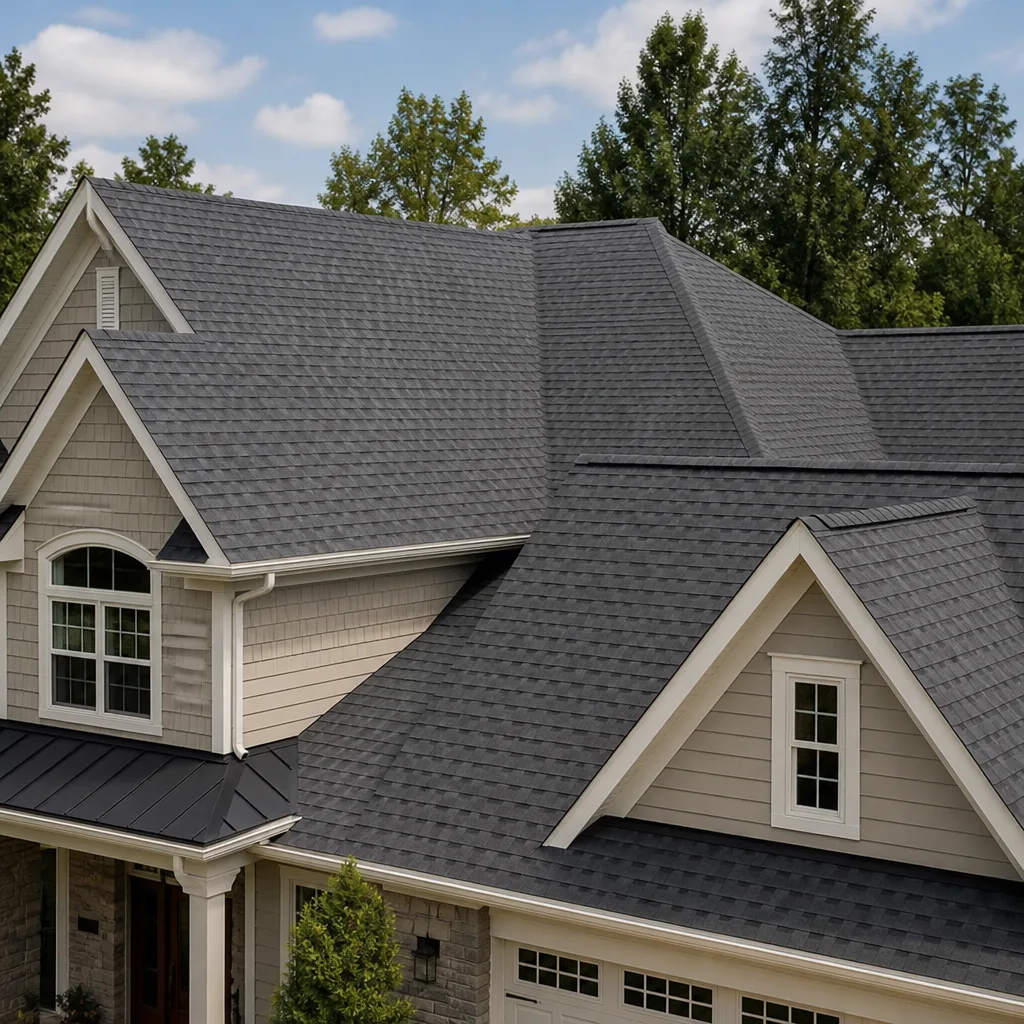
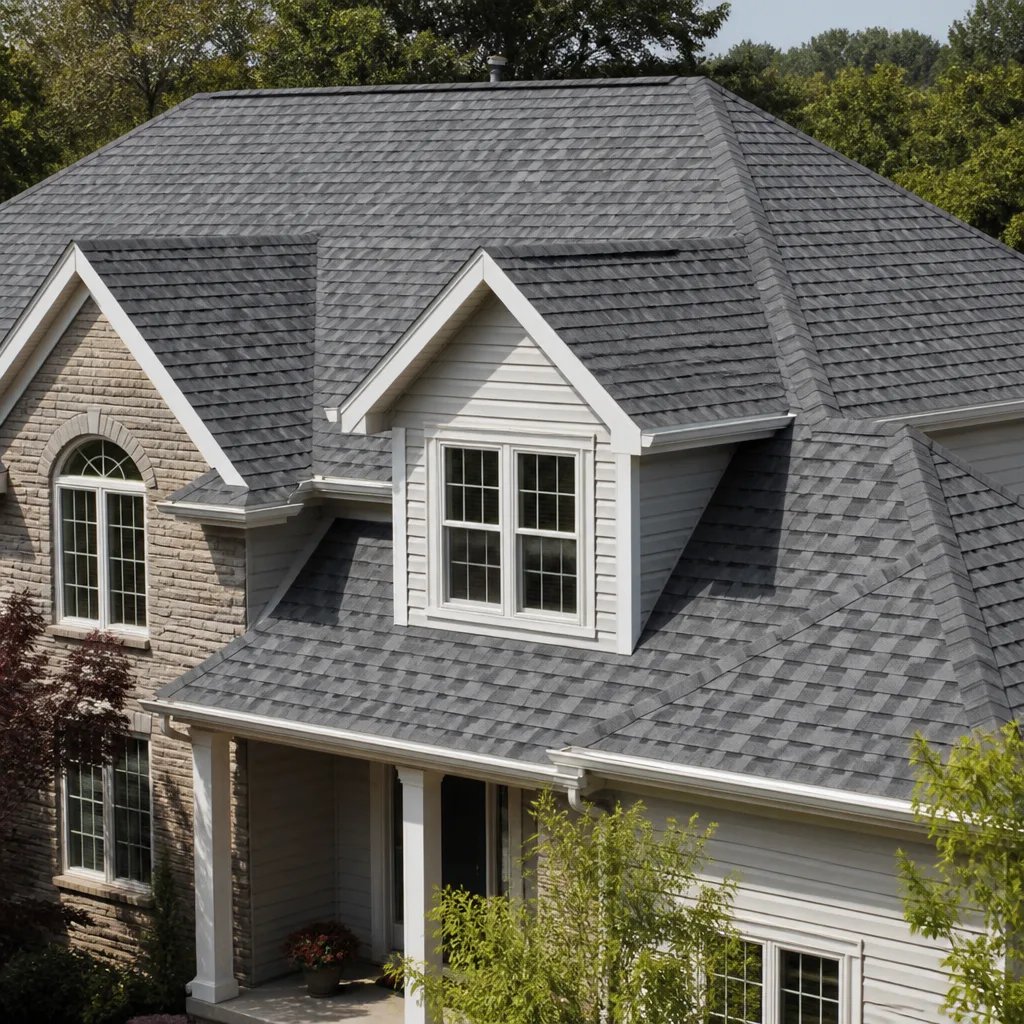
 Architectural shingles
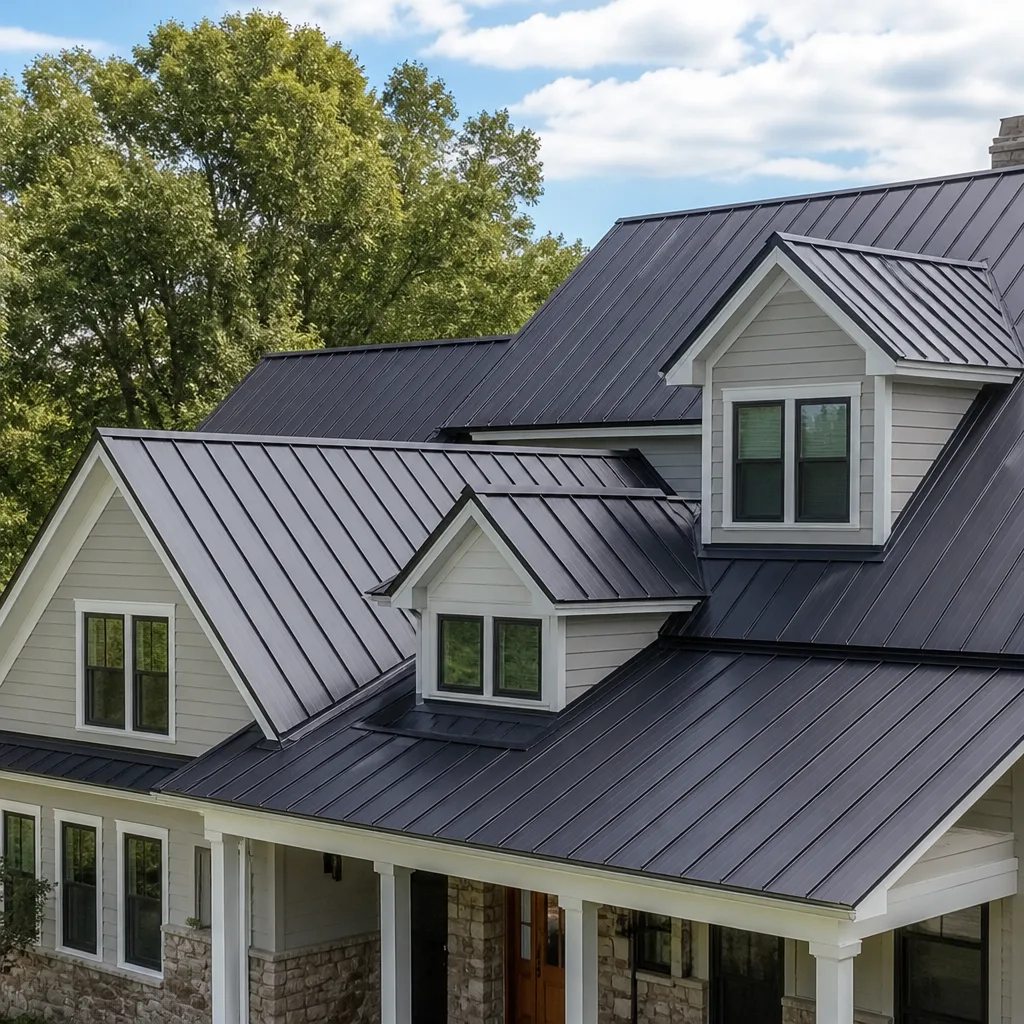 Metal roofing
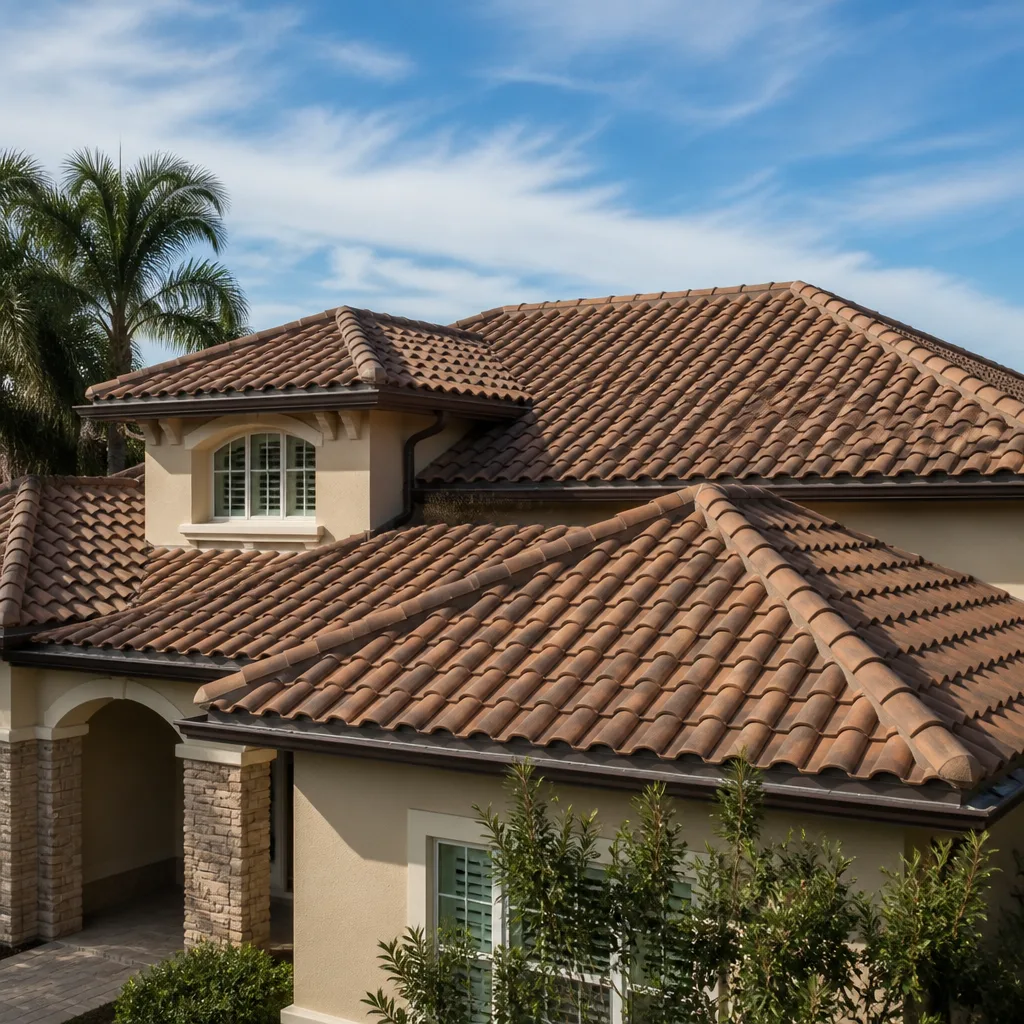 Tile roofing
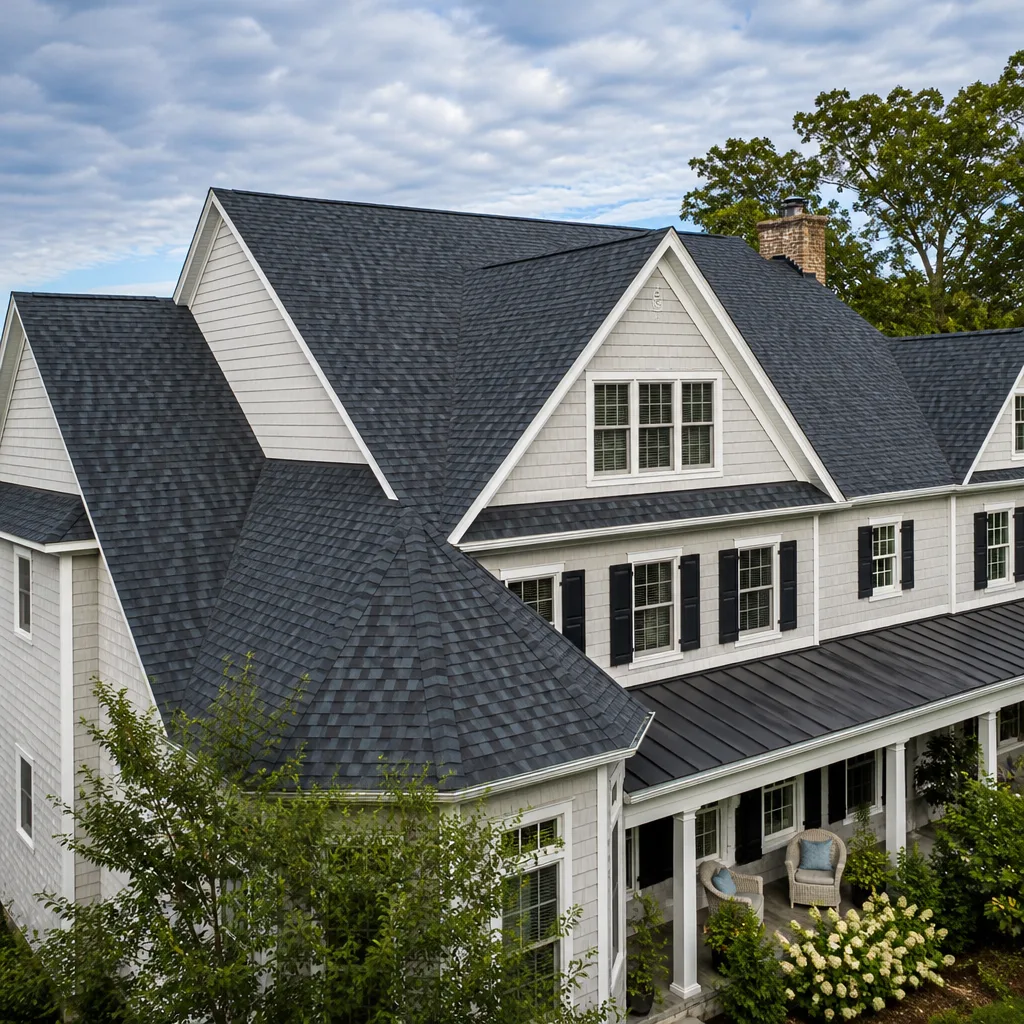 GAF
 Owens Corning
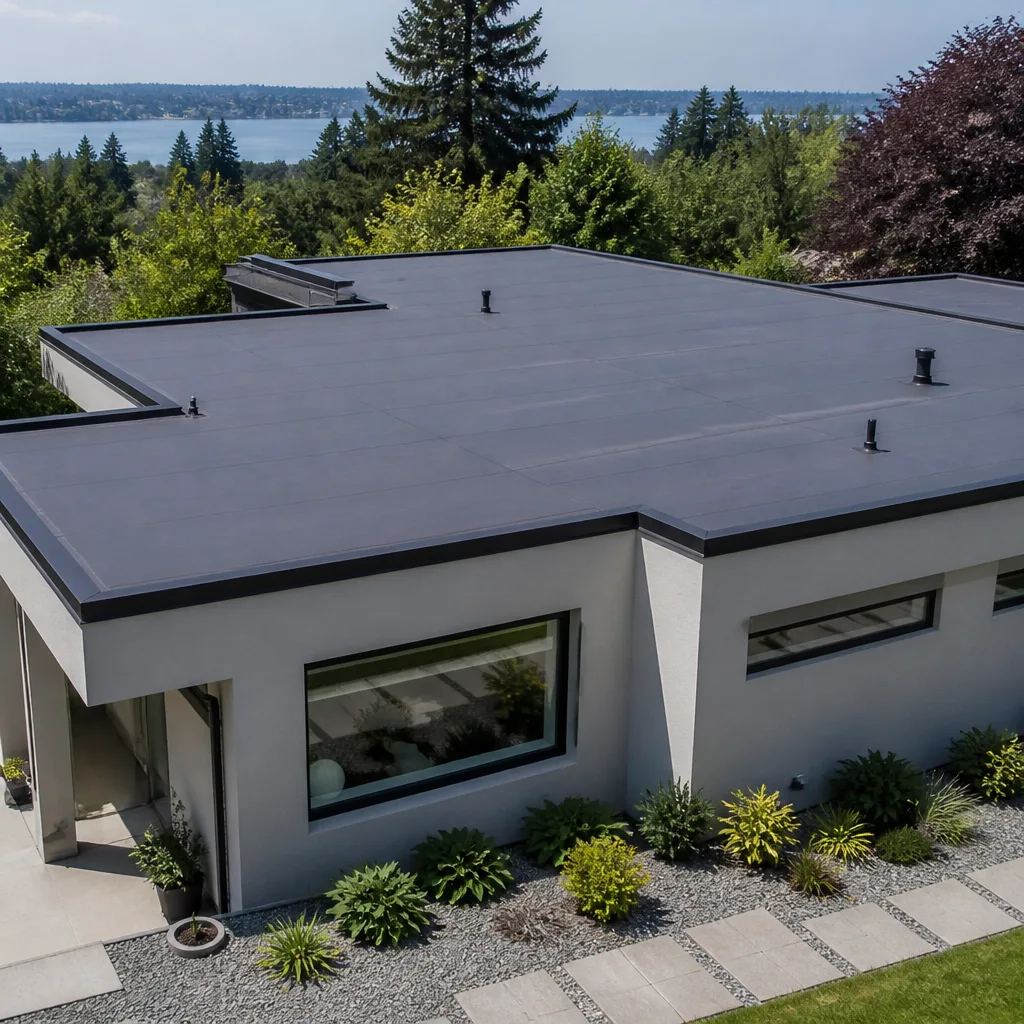 Flat & low-slope
Free roof inspection with deck photos before we talk money - GAF and Owens Corning certified installation
Fast, Reliable Roof Replacement Across March Air Force Base
Roof replacement in March Air Force Base usually runs $8,500 – $16,400 for a typical single-family asphalt shingle roof, depending on square footage, tear-off layers, decking condition, and whether you’re on base-adjacent rental stock or a renovated postwar tract home. Demand here doesn’t follow the owner-occupied reroof cycle of Riverside or Moreno Valley. It follows Santa Ana wind damage, military housing turnover, and deferred maintenance on older base-perimeter roofs – which means the right fix is usually a spec decision, not just a shingle decision. If you’re in 92551 and your roof lost tabs or ridge caps in the last wind event, call (844) 966-3891 for a free estimate. We’ll tell you what your roof actually needs, and whether repair still makes sense before replacement.
Why Crown Line Roof Repair Is March Air Force Base’s Preferred Roof Replacement Company
We spend most of our time on roofs in 92551, and the failure pattern here is consistent: wind-uplift damage on older asphalt shingle roofs that were never nailed to the shingle’s wind rating. Base-adjacent housing along Van Buren Boulevard and the roads feeding the March ARB main gate has been through decades of Santa Ana cycles, and a four-nail pattern from the original build simply sheds tabs in clusters. Noel Carrasco built Crown Line Roof Repair to work repair-first, meaning we’ll tell you when a replacement is actually justified – and when a partial repair with matched materials is the smarter call.
What separates us from a general contractor who happens to do roofs: we work across seven major manufacturers – GAF, CertainTeed, Owens Corning, IKO, Atlas, Tamko, and Boral. We’re not steering you toward one brand because of a quota. A roof near March Air Force Base needs a spec that survives wind uplift, and the shingle choice follows the spec, not the other way around. That’s why read our estimates as a diagnosis, not a sales pitch. We also offer roof inspection as a standalone service, so you can get a professional assessment with no obligation attached – separate the diagnosis from the sale, every time.
For the full scope of what goes into a Roof Replacement, our hub page covers material selection, tear-off protocols, and how we sequence a reroof. This page is about what’s different in March Air Force Base specifically.
Styles & brands we work with
Asphalt Shingle Roof Replacement in March Air Force Base
Asphalt shingle roof replacement in March Air Force Base is the most common job we do here, because the dominant housing stock – mid-century military-era tract homes and base-perimeter rental units – was built almost entirely with asphalt shingles. On a typical 1,400 – 2,200 square foot single-story home in 92551, a full asphalt replacement with architectural shingles runs $9,200 – $14,800. The range depends on how many layers we’re tearing off, whether the decking has softened from decades of inland sun, and whether the old roof was ever nailed to a wind rating.
Wind-Rated Nailing Patterns
The asphalt shingle itself isn’t the weak point. The installation is. On a postwar tract house near the base perimeter, we tore off a wind-damaged asphalt roof and found the previous crew had nailed the field shingles above the common bond line, so the last two Santa Ana events had sheared tab after tab and blown a ridge cap loose. We re-decked the soft spots, laid a full ice and water shield through the valleys and at every penetration, set architectural shingles with a six-nail high-wind pattern and starter strip, and finished the drip edge, fascia and soffit with hot-dip galvanized fasteners and a sealed ridge vent. That’s the inland-spec build that earns the shingle’s 130 mph wind rating. In this corridor, a four-nail pattern is a future reroof.
Tear-Off or Overlay
Some 92551 roofs still have a single layer and sound decking, which makes an overlay possible. But on base-perimeter rental stock, we usually find two or three layers already stacked from turnover budgets that skimped. Layering a fourth over wind-damaged decking is the cheap spec, and it costs more within a decade. A clean tear-off lets us inspect the decking, replace soft spots, and set the underlayment to a sealed spec – the only way to know the roof actually holds in the next Santa Ana event.
New Roof Installation in March Air Force Base
New roof installation in March Air Force Base is a different animal from a straightforward reroof, because the structure itself often dates to the 1950s and 1960s – before modern code required the fastening and ventilation standards we use today. On a full new install over an existing frame, plan on $11,500 – $17,800 for architectural shingles, including decking replacement where rafters have dried or sagged. New construction on a bare frame runs higher, because we’re building the full roof assembly: decking, underlayment, flashing, drip edge, vents, and shingles, all to a wind spec that makes sense in the Santa Ana corridor.
Decking and Underlayment First
On older military-era frames around the base, the decking is frequently the failure point hiding under the shingles. Intense inland sun bakes the underside of the decking through poorly ventilated attics, and long dry spells delaminate older plywood. We inspect every sheet after tear-off. Soft spots get replaced before any shingle goes down. That’s where the budget overruns come from on new installs here – not the shingles, the decking and underlayment.
Flat and Low-Slope Sections
A lot of base-adjacent apartment and duplex stock has flat or low-slope sections over carports, porches, and additions. Asphalt shingles don’t belong on those. We specify membrane systems for low-slope and flat sections, with sealed seams and appropriate drain details. The inland sun here ages membrane surfaces fast, so a sealed spec with proper fastening matters more than the material name. This is also where cheap turnover budgets get exposed – a flat section that leaks into a rental unit adjacent to March Air Force Base is a maintenance liability that compounds.

Trusted Brands We Service in March Air Force Base
We work with materials from GAF, CertainTeed, Owens Corning, and Boral, among others, and we stock local fast-turnaround parts for March Air Force Base customers who need a repair before a full replacement is scheduled. In 92551, shingle matching matters. Base-perimeter homes were built in phases, and two houses on the same street can carry different original shingle lines. We can match existing shingle systems for partial repairs, protecting your manufacturer warranty continuity. Seven major brands. One honest recommendation. If your roof needs architectural shingles rated for high wind, we’ll tell you which line in which brand actually earns that rating in this corridor – and which ones don’t.
See the difference
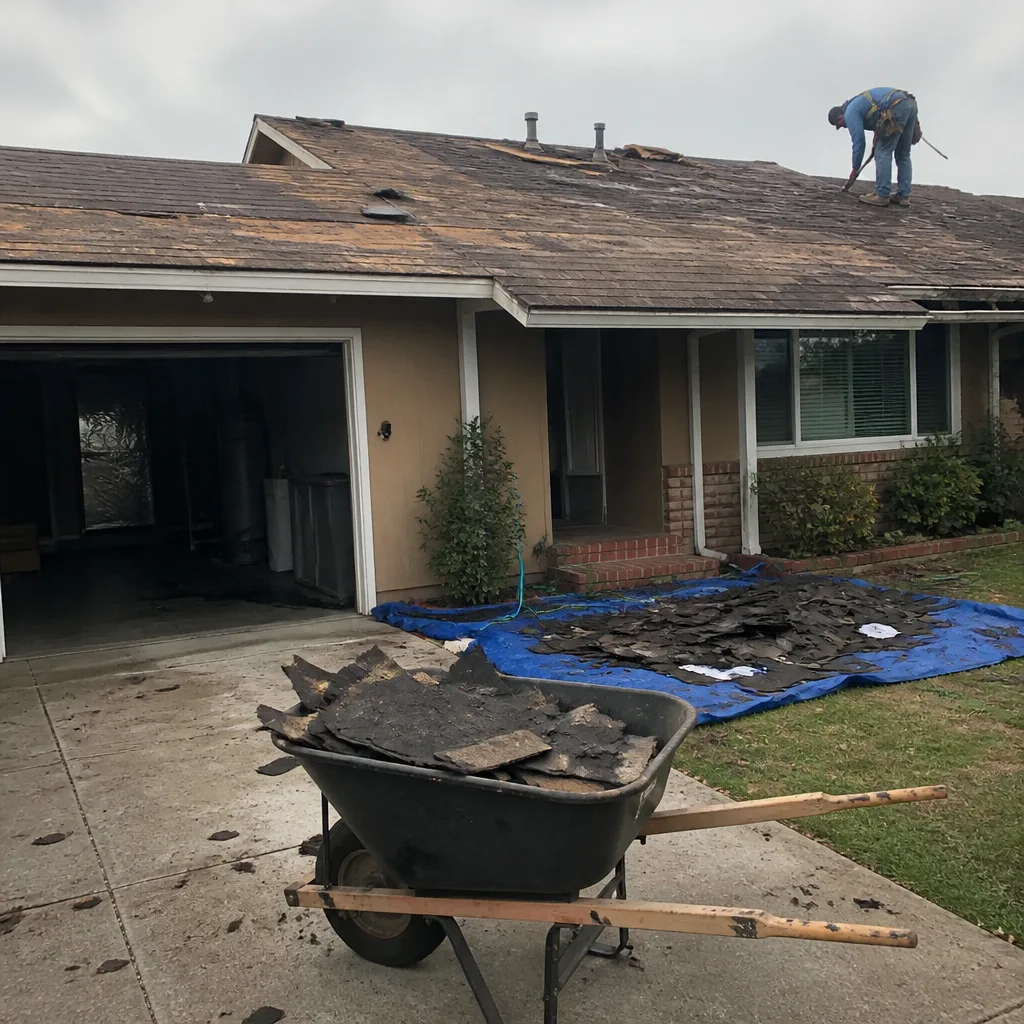 Before
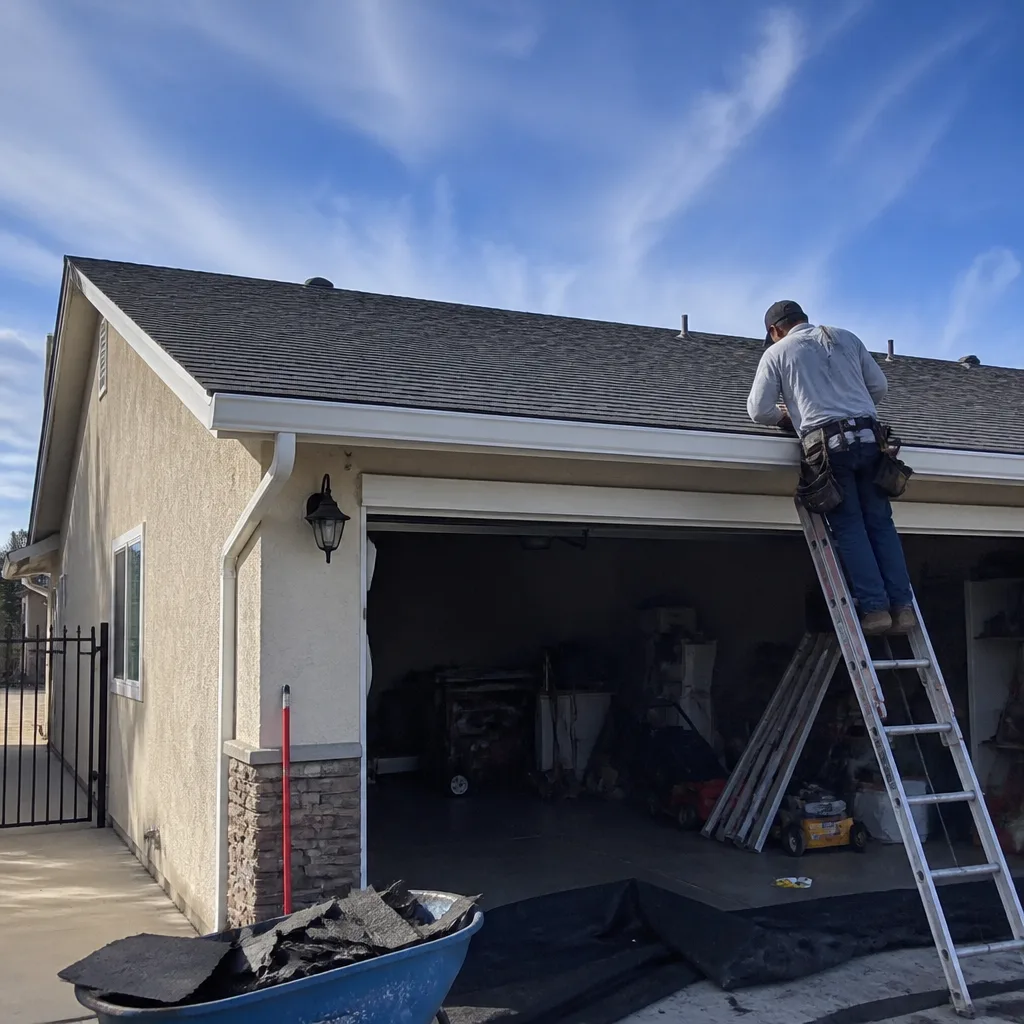 After
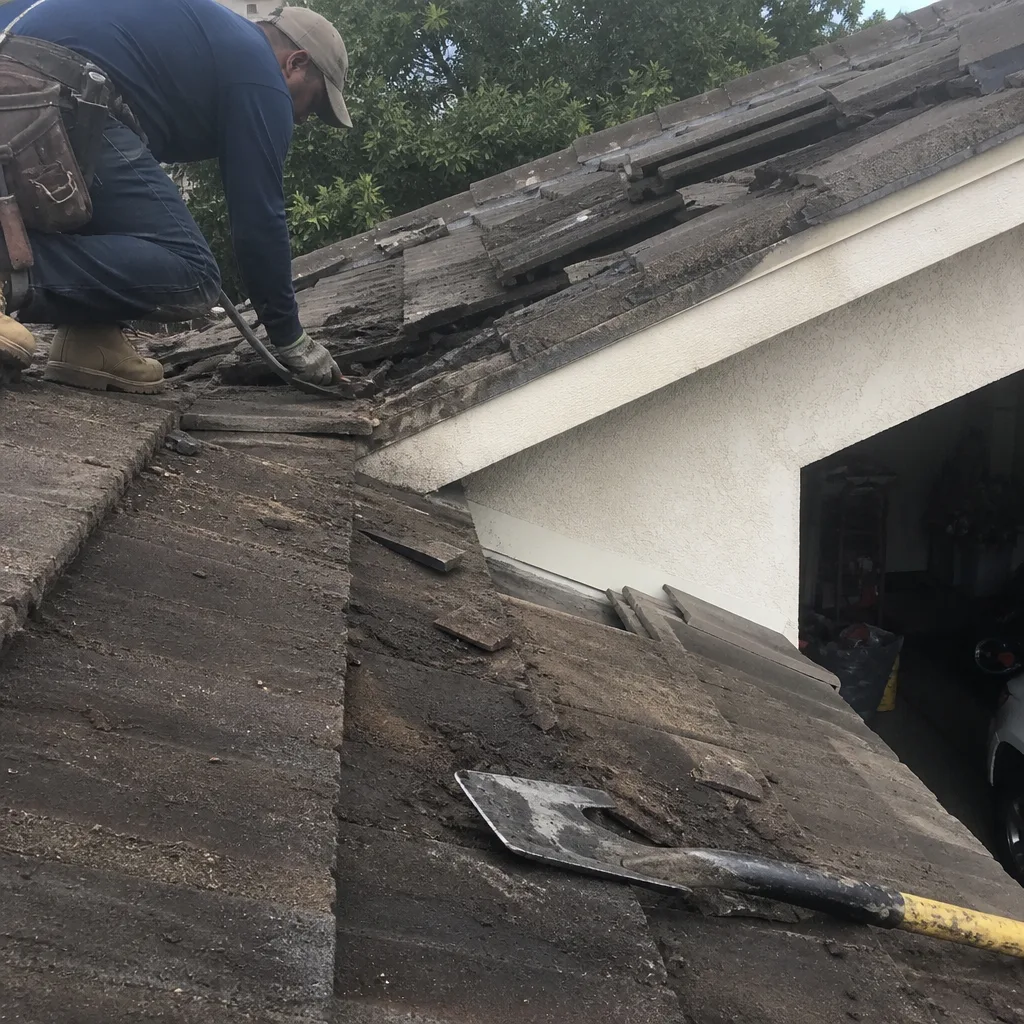 Before
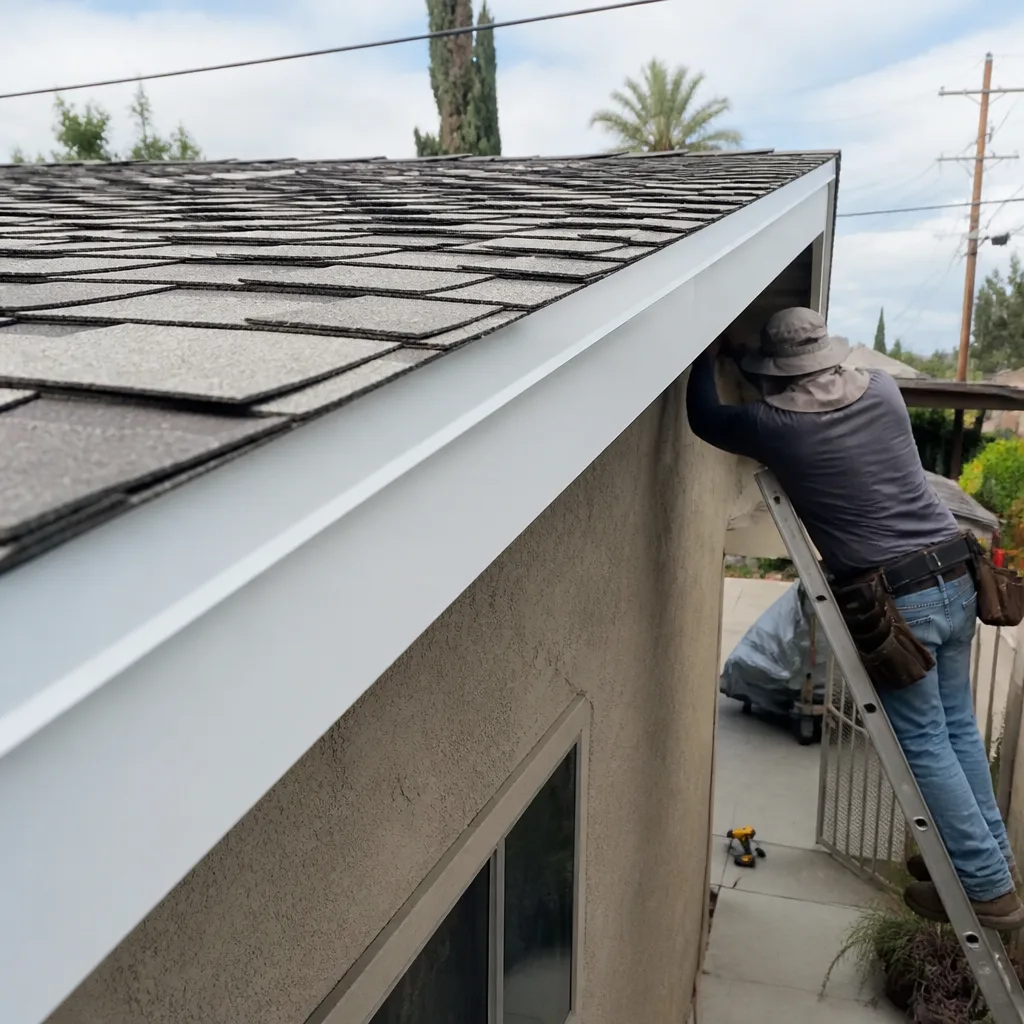 After
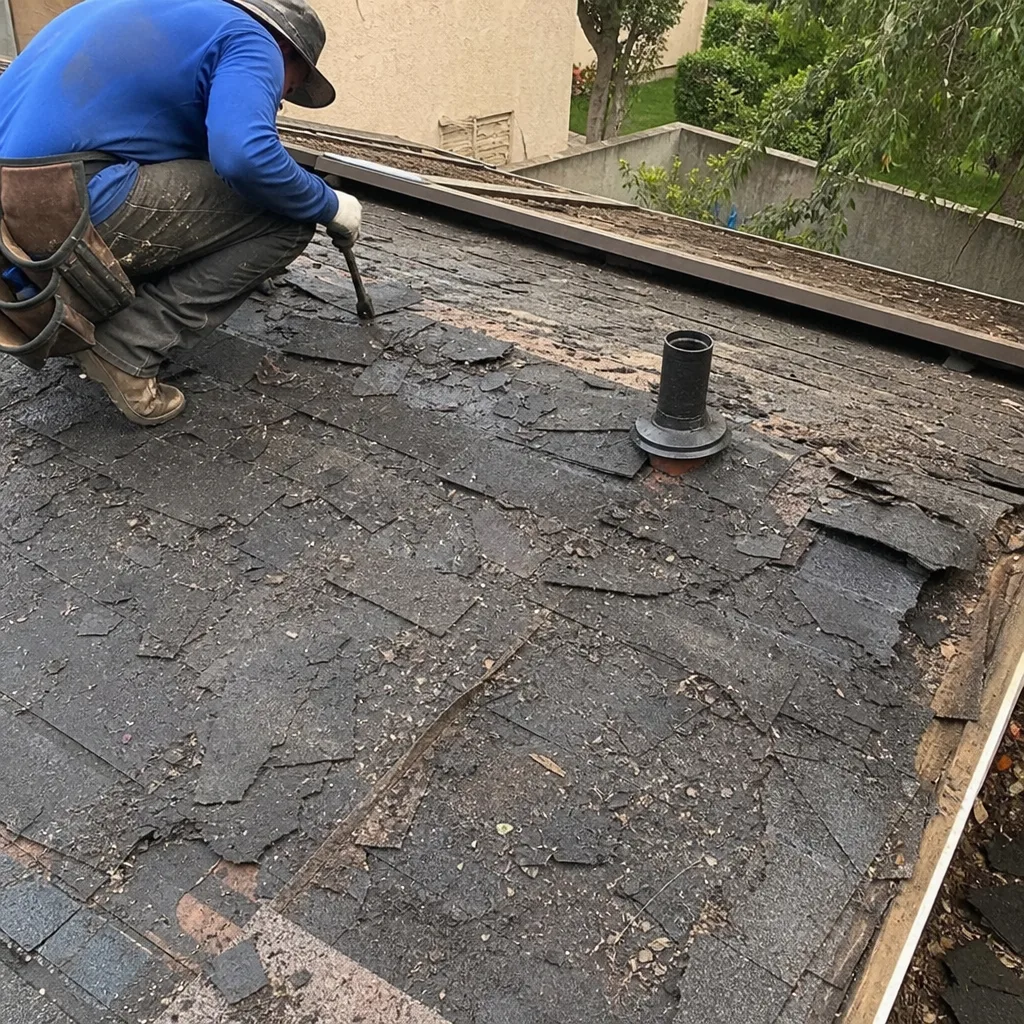 Before
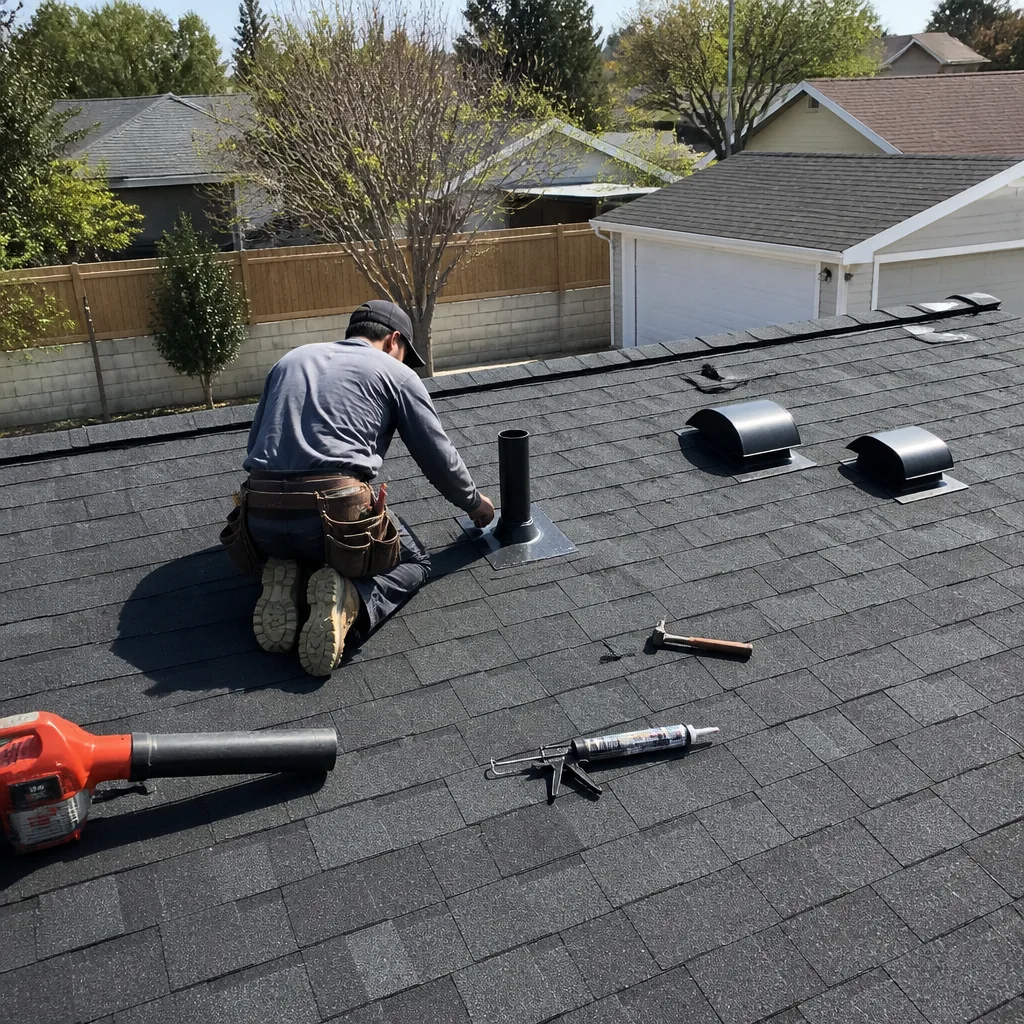 After
Common Roof Replacement Problems We See in March Air Force Base Homes
- Lifted shingle tabs and blown ridge caps after Santa Ana events. The original base-perimeter roofs were nailed with a four-nail pattern that never earned the shingle’s wind rating. Each wind episode shears more tabs, and the damage shows up in clusters on the windward side of the roofline.
- Fastener and flashing corrosion at penetrations and ridge vents. Older military-era and rental stock used cheap electro-galvanized nails and thin drip edge. The metal fails years before the shingle does, especially at pipe boots, valley flashing, and ridge vents where water concentrates.
- Attic and underlayment degradation on low-slope and flat sections. Intense inland summer sun and long dry spells bake the sealed spec right out of flat sections over apartment stock. If a turnover budget skipped the sealed underlayment, the decking underneath is the next thing to go.
- Soft decking from deferred maintenance around the base. Homes near March Air Force Base are often managed properties where maintenance cycles lag. Small leaks that would get caught quickly in Moreno Valley or Woodcrest go unreported here, and by the time we tear off, the decking has rotted at the eaves and valleys.
Pricing for Roof Replacement in March Air Force Base, CA
For a full tear-off and architectural shingle replacement on a typical 92551 single-family home, expect $8,500 – $16,400. Smaller base-adjacent duplexes and rentals run $6,200 – $10,800. Flat and low-slope sections add $1,800 – $4,500 depending on membrane type and square footage. The variables that move the number: decking condition after tear-off, number of existing layers, roof slope and accessibility, and whether the existing roof was ever nailed to a wind rating. A cheap bid in this corridor usually means a four-nail overlay with electro-galvanized fasteners – the same spec that failed the last time. Call (844) 966-3891 for a line-item quote. We price fixed, with no change orders unless the tear-off reveals decking rot we couldn’t see from the surface.
We Also Serve Cities Near March Air Force Base
Crown Line Roof Repair covers the full March Air Force Base area, including 92551 and the base-adjacent streets. We also run crews to Moreno Valley, Woodcrest, Perris, and Good Hope for roof replacement and wind-damage repair. If your home sits just outside the base perimeter, the same Santa Ana wind spec applies. Call us and we’ll send a lead technician who knows the corridor.
Serving March Air Force Base, CA — Our Local Coverage Area
We’re based in the March Air Force Base area and know this community well. Use the map below to see our service coverage — if you’re nearby, we can almost certainly help.
FAQs About Roof Replacement in March Air Force Base
The price difference is mostly wind spec. In 92551, the roof has to be nailed and fastened for Santa Ana uplift – six nails per shingle on architectural lines, starter strip, hot-dip galvanized fasteners, and often a sealed underlayment through valleys and penetrations. Riverside reroofs on the same square count can often use a standard four-nail pattern without the same wind exposure. The materials aren’t the cost driver. The labor and fastener count are. When we bid a March Air Force Base roof, we’re bidding the spec that earns the shingle’s wind rating, not the minimum that passes inspection. Call (844) 966-3891 and we’ll walk you through the difference line by line.
Compare the spec, not the total. Look for the nail count per shingle (six-nail high-wind vs. four-nail), the fastener metallurgy (hot-dip galvanized vs. electro-galvanized), whether the underlayment is sealed through valleys and penetrations, and whether the decking replacement is included or priced as a change order. In this wind corridor, a bid that’s $3,000 less is usually that much less because it skipped one of those items. Ask both contractors to write the nailing pattern on the proposal. If one won’t, that’s your answer. Estimates from Crown Line are free – call (844) 966-3891 and we’ll give you a bid you can compare spec-for-spec.
Only if the shingle is installed to the manufacturer’s high-wind pattern. The 130 mph rating on an architectural shingle means the shingle itself passed a wind test in a lab. It does not mean your roof will hold in a Santa Ana event if the installer used a four-nail pattern or nailed above the common bond line. Near March Air Force Base, where wind uplift is the dominant failure mode, the rating only applies when the fastening spec matches. We install to the six-nail pattern with starter strip, which is what actually earns the rating in the field.
For the sloped sections, architectural asphalt shingles with a six-nail high-wind pattern and hot-dip galvanized fasteners are the right call. For the flat and low-slope sections that are common on duplexes and apartment buildings, a sealed membrane system with appropriate drain details is the only material that makes sense – asphalt shingles on low slope always fail early here. The inland sun and long dry spells also mean attic ventilation matters as much as the shingle. A sealed ridge vent and balanced intake keeps the decking from baking out. This is the spec we recommend for rental stock around March Air Force Base, and it costs about $800 – $1,500 more than the turnover-budget version.
We check the nailing pattern and the decking. The nailing pattern tells us whether the roof ever had a chance in the wind corridor. The decking tells us what’s waiting under the shingles after decades of inland heat. On a mid-century military-era roof, we also look at the original sheathing type – many of these homes used plank decking that’s now dried and split at the edges. After that, we check the drip edge and flashing at penetrations, because thin electro-galvanized metal on original base-perimeter roofs is usually corroded through. A roof inspection with no strings attached answers all of this – call (844) 966-3891 to schedule one.
If your roof near March Air Force Base took wind damage or you know it’s nearing the end of its service life, call Crown Line Roof Repair at (844) 966-3891 for a free estimate. We’ll inspect, give you a straight diagnosis, and write a quote you can compare spec-for-spec. Repair first, replacement only when the numbers justify it.
Written by Noel Carrasco, Owner at Crown Line Roof Repair, serving March Air Force Base and the surrounding Riverside County corridor.