
Last updated October 30, 2026
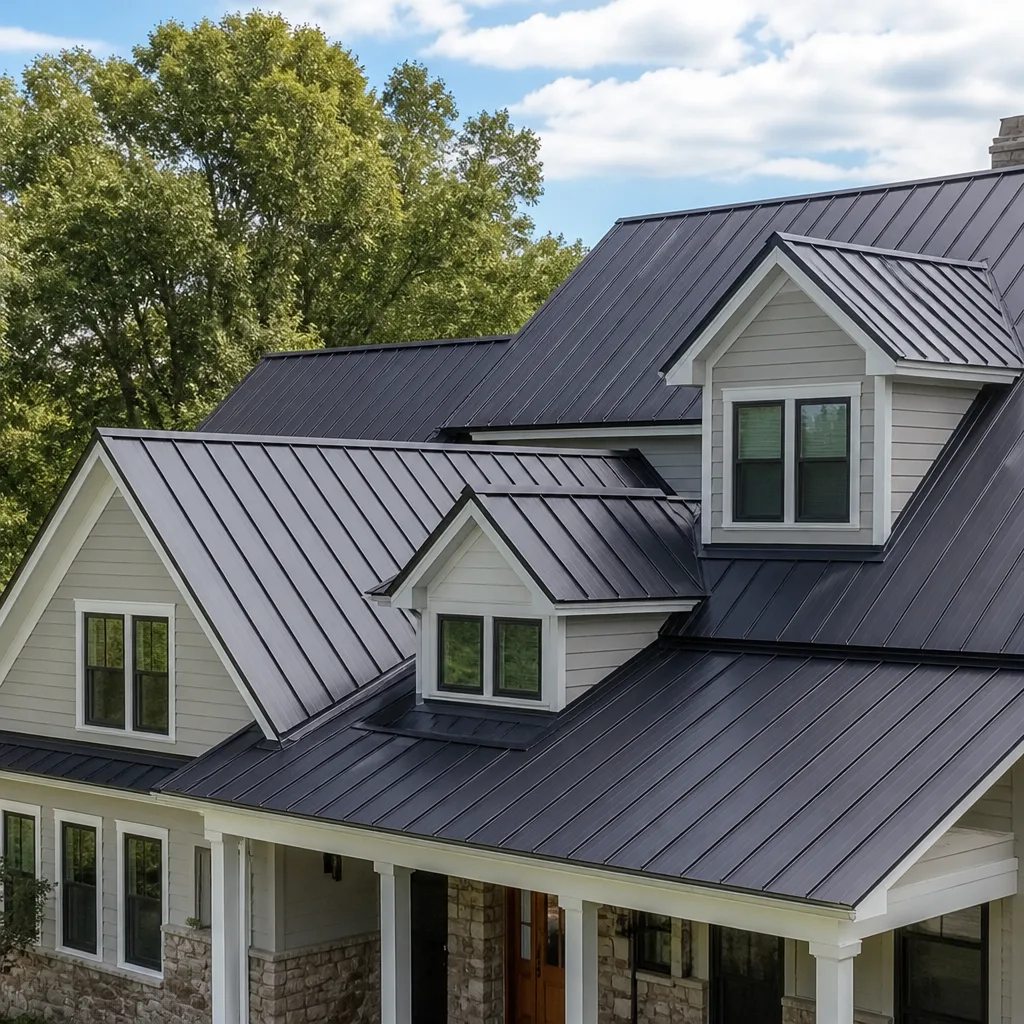 Metal roofing
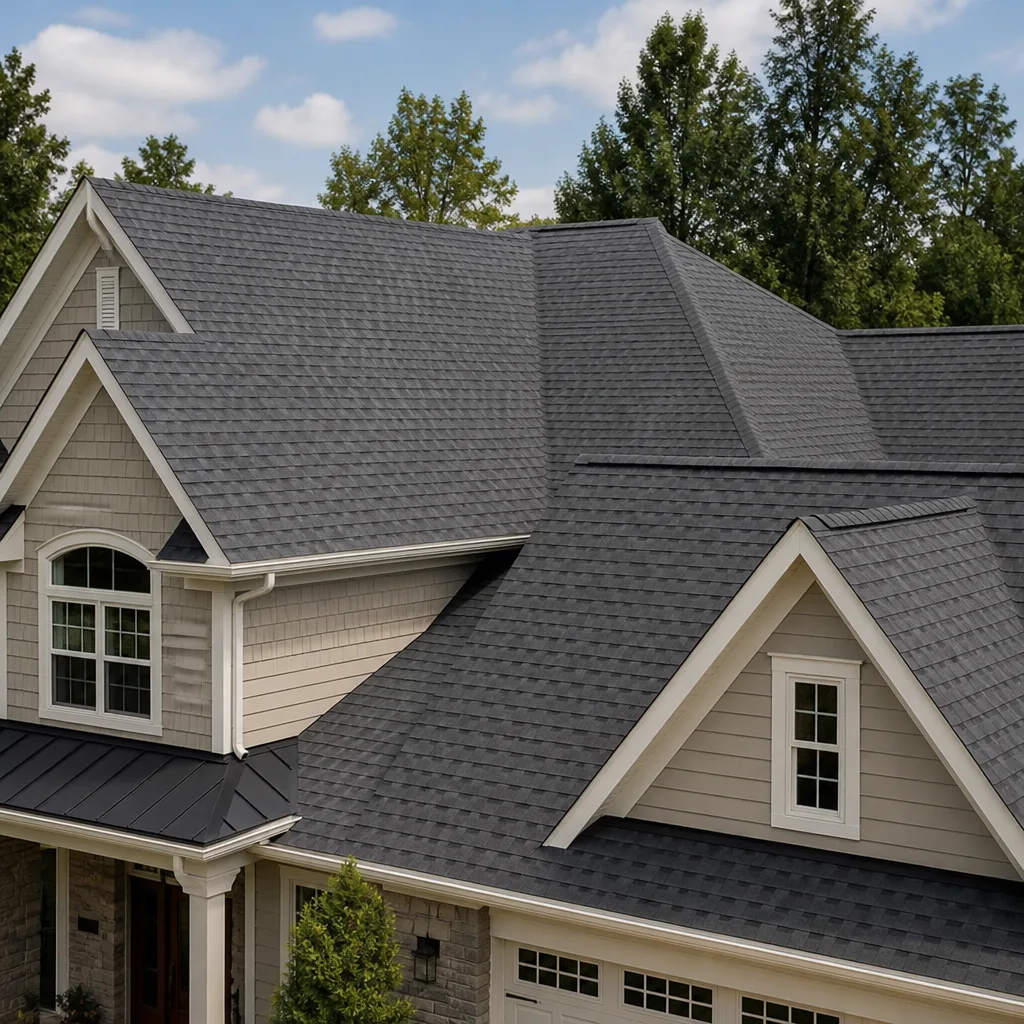 Architectural shingles
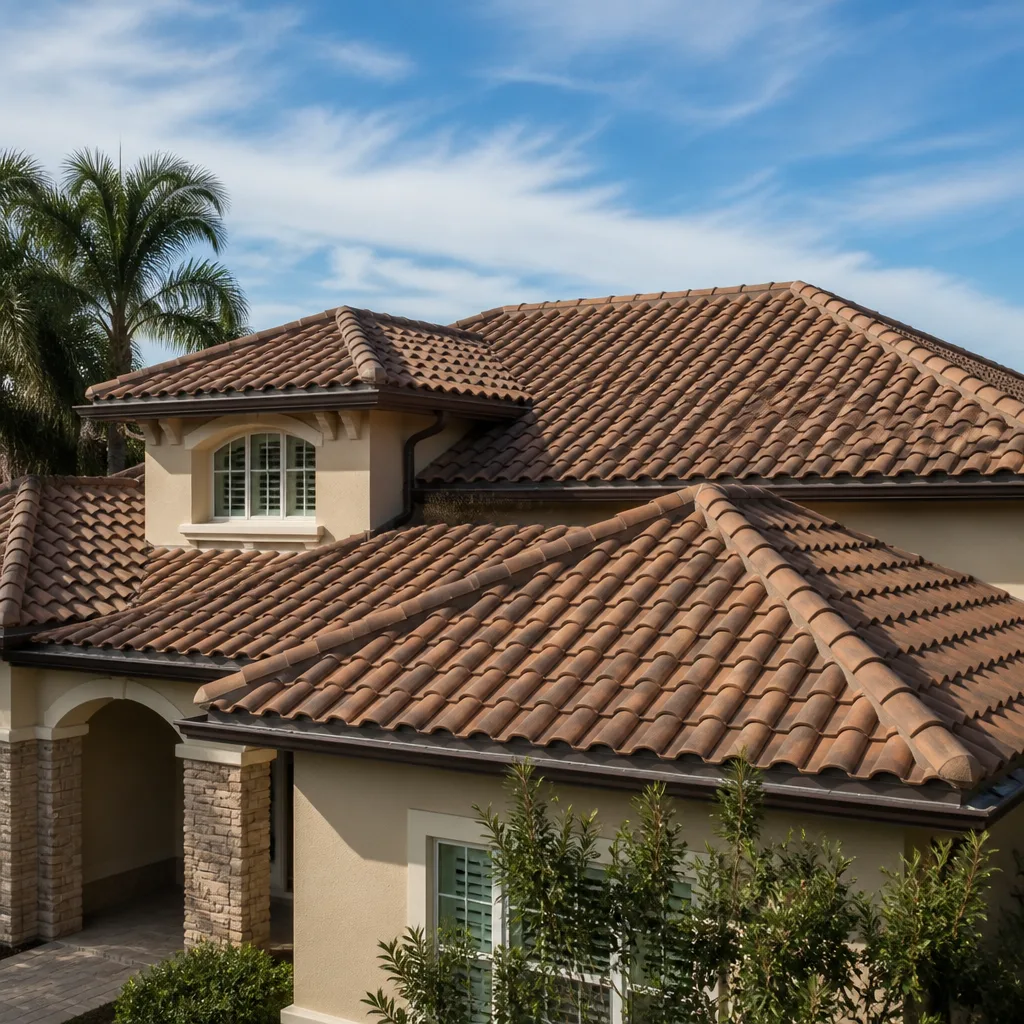 Tile roofing
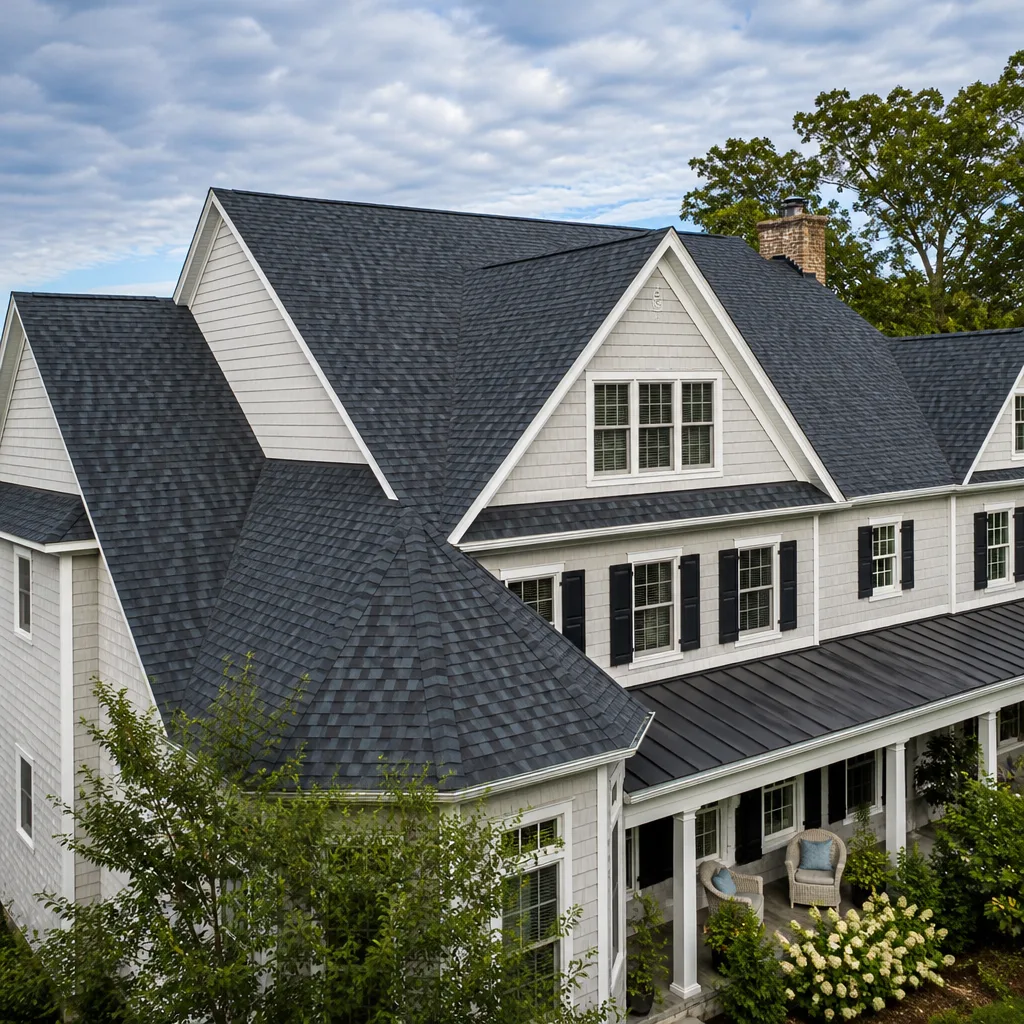 GAF
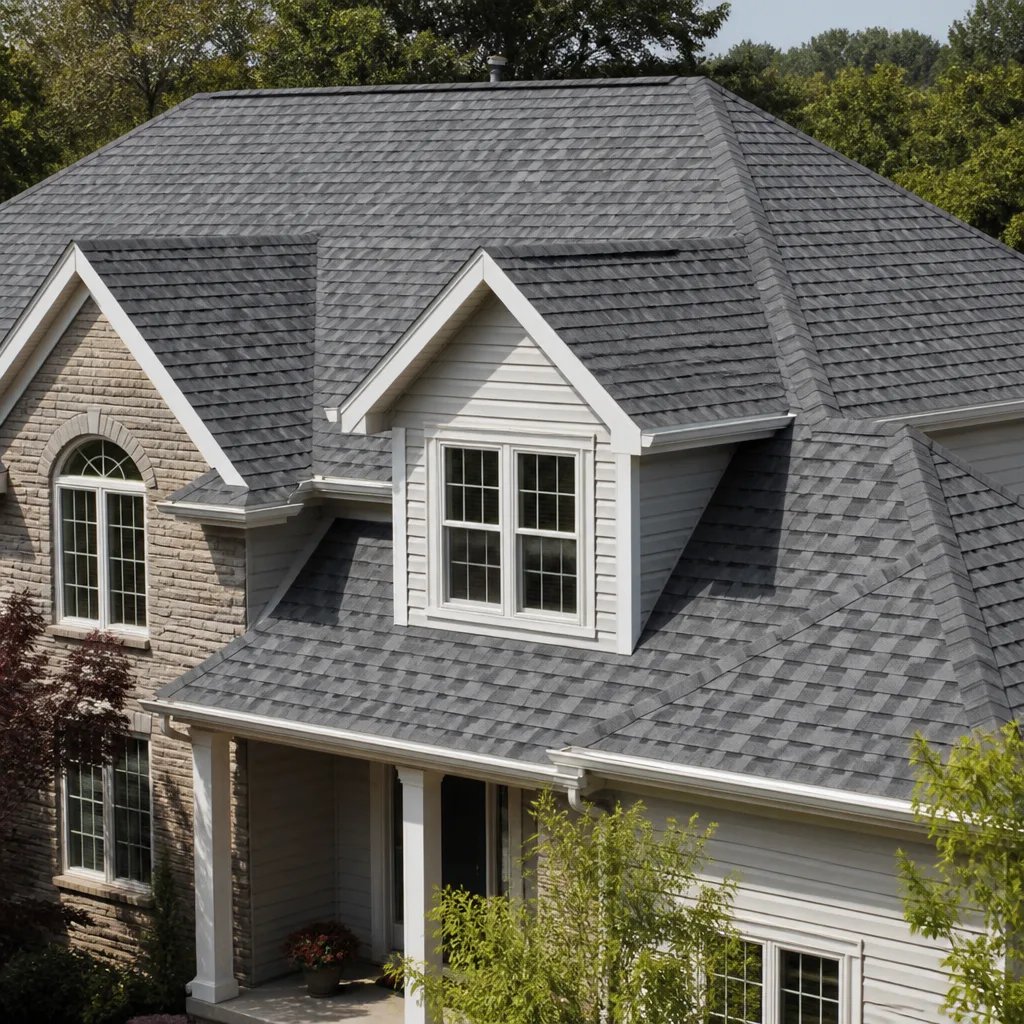 Owens Corning
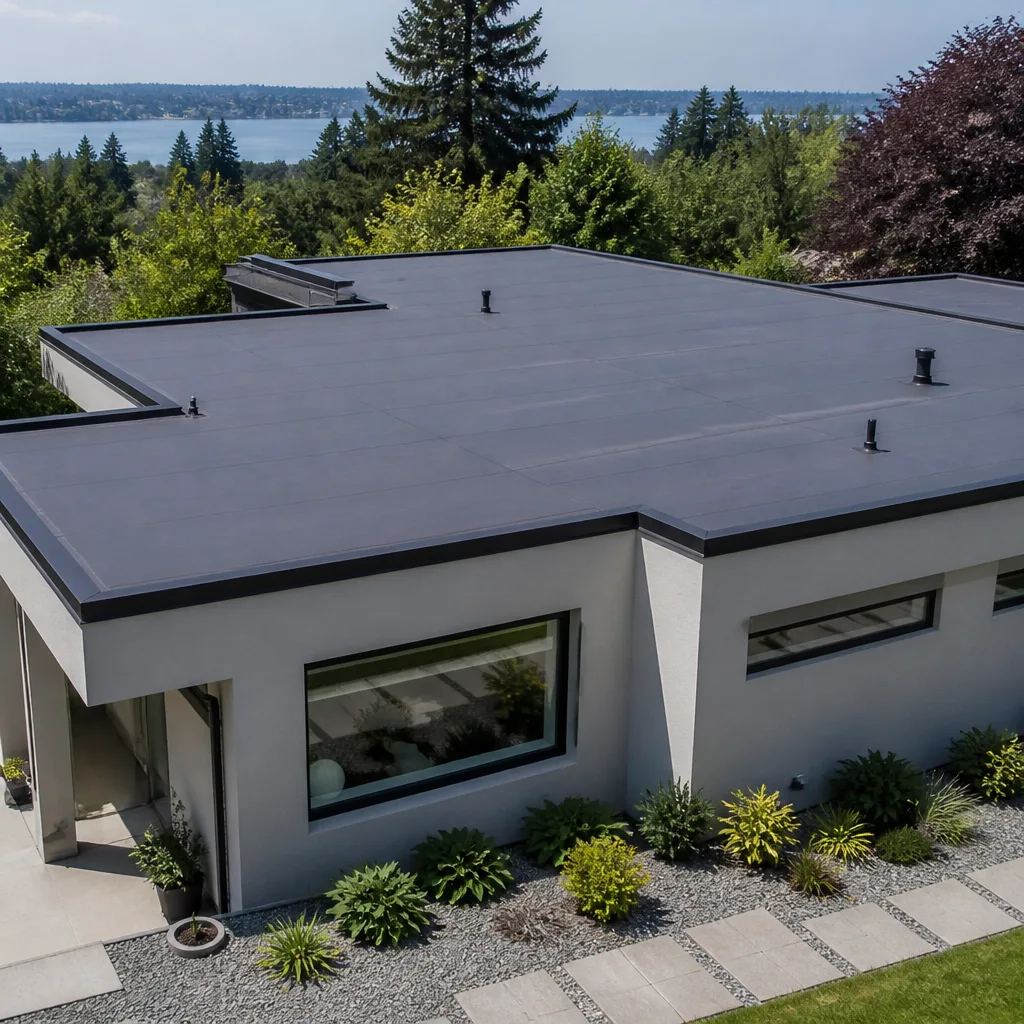 Flat & low-slope
Free roof inspection with deck photos before we talk money - GAF and Owens Corning certified installation
Choosing the Right Roofing Brand: A Buyer’s Guide for Garden Grove
Garden Grove sits in a climate that punishes roofs slowly: intense UV exposure, marine-layer moisture that traps condensation against north-facing slopes, seasonal Santa Ana winds that lift shingle tabs, and a long, warm summer that cooks attics to 140 degrees and beyond. Yet most roofing brand guides ignore all of that and tell you to buy whatever the contractor wrote an estimate for. This guide is different. We’ll show you how seven major shingle brands actually hold up under Garden Grove conditions, which house geometries favor which product lines, and how to read a product data sheet without needing an engineering degree. You’ll finish knowing more about shingle selection than most roofing salespeople.
Styles & brands we work with
Quick Answer
The right roofing brand for a Garden Grove home is determined by three house-specific variables: roof slope geometry, attic ventilation capacity, and sun exposure orientation. There is no single “best brand” for every house in Garden Grove. A brand that performs well on a steep south-facing gable in Garden Grove’s Brookhurst neighborhood may underperform the same product line on a low-slope north-facing ranch in West Garden Grove. The practical answer is to choose a contractor who can match product specs to your roof’s actual conditions while working across multiple manufacturers.
Table of Contents
- The Seven Major Shingle Brands, Compared Honestly
- Roof Geometry in Garden Grove: Steep vs. Low-Slope, South-Facing vs. Shaded
- Attic Ventilation: The Variable Most Garden Grove Homeowners Never Hear About
- What ‘Manufacturer Preferred Installer’ Status Actually Means for Your Warranty
- How to Read a Shingle Product Data Sheet
- Total Cost of Ownership: Why the Cheapest and Most Expensive Options Are Rarely Right
- Common Mistakes to Avoid
- When to Call a Professional
- Frequently Asked Questions
- The Bottom Line
The Seven Major Shingle Brands, Compared Honestly
Garden Grove’s climate creates four specific demands on a shingle: resistance to algae staining from marine-layer moisture, resistance to thermal cracking from sharp overnight temperature swings, adequate wind rating for Santa Ana gusts, and granule adhesion that holds up under intense UV. Not all brands prioritize these equally. Here’s what actually separates the seven major manufacturers, measured against those four Garden Grove conditions.
CertainTeed and Owens Corning go head-to-head on algae resistance. CertainTeed’s top-tier lines embed copper at higher concentration than most competitors, which matters in Garden Grove’s coastal-adjacent humidity bands. Owens Corning counters with Suberian granules engineered for UV stability, which is a real advantage on south-facing slopes in central Garden Grove that bake from 10 a.m. to 4 p.m. daily. In our experience on Garden Grove homes, both product families hold color longer than value-tier lines from any manufacturer.
IKO and Atlas compete on impact and economy. IKO’s architectural lines offer class-leading wind uplift numbers for the price, which matters on two-story Garden Grove homes with exposed gables that catch Santa Ana winds. Atlas takes a different route with ScottsbinderTM flex polymer that resists cracking during cold overnight snaps. Garden Grove doesn’t get freezing temperatures often, but the 30-degree temperature swing between a January night and midday sun creates enough expansion stress to crack stiff, economy-grade shingles.
Tamko and Boral round out the field. Tamko’s Heritage lines are workhorses at mid-range pricing with balanced performance across all four Garden Grove stress factors. Boral is a niche player in the residential asphalt category with a focus on impact-rated and high-aesthetic products. GAF sits in its own lane: massive manufacturing volume, bulletproof distribution, and warranty infrastructure that none of the others touch. For a full breakdown of your current roof’s condition before committing to a brand, a Roof Inspection in Rowland Heights shows the same diagnostic process we use for Garden Grove homes.
- Algae resistance leaders: CertainTeed and Owens Corning
- Thermal cracking resistance leaders: Atlas and Owens Corning
- Wind rating leaders: IKO and GAF
- Granule adhesion leaders: CertainTeed and GAF
- Value-balanced performers: Tamko and Atlas
Roof Geometry in Garden Grove: Steep vs. Low-Slope, South-Facing vs. Shaded
Garden Grove’s housing stock spans decades and styles. The same brand that performs well on a 4:12 ranch roof in West Garden Grove will behave differently on a 10:12 gable in the Storyboard District. Slope ratio, directional orientation, and roof complexity dictate which product line in a brand’s lineup fits your house, not which brand name is on the wrapper.
- Low-slope roofs (2:12 to 4:12). Garden Grove has many low-slope ranch and mid-century homes. Water drains slowly, and standing water tests sealant strips and nail points. On these roofs, we prioritize heavy architectural shingles with reinforced nailing zones and strong sealant adhesion. CertainTeed Landmark Pro and GAF Timberline HDZ carry the nailing zones and sealant profiles that handle this stress. Steer clear of three-tab shingles on low slopes, regardless of brand.
- Steep roofs (6:12 and above). Steep slopes shed water efficiently but put more tension on shingle tabs and wind anchors. Santa Ana winds hitting a steep gable at 40 or 50 mph create uplift pressure at the eaves. IKO Cambridge and Owens Corning TruDefinition Duration build wind resistance into the shingle body rather than relying solely on sealant. For steep Garden Grove gables that take direct wind load, those two products are near the top of our list.
- South-facing vs. shaded slopes. South-facing slopes in Garden Grove absorb solar load for six to eight hours a day. UV degradation granule loss, asphalt drying, and color fading intensify on these slopes. Owens Corning’s Suberian granule technology offers measurable gains in UV stability, making it a solid choice for south-facing Garden Grove exposures. North-facing slopes, by contrast, hold moisture longer and breed algae, which makes higher copper content from CertainTeed a practical recommendation. A house with both orientations calls for a product that balances the two, which is where Tamko Heritage and Atlas Pinnacle earn their place.
- Hip-and-valley roofs. Complex rooflines with multiple hips and valleys concentrate water at intersections. Poorly installed valley flashing fails regardless of shingle brand, but some shingle bodies cut and layer more cleanly. Architectural lines with consistent thickness, like GAF Timberline and IKO Cambridge, install more predictably in valley conditions than recycled-content lines with more dimensional variance.
Before choosing a brand for a Garden Grove roof, we recommend a Roof Repair in Rowland Heights style assessment: measure slope across all planes, document orientation, and map ventilation. The brand decision follows from those numbers, not the other way around.
Attic Ventilation: The Variable Most Garden Grove Homeowners Never Hear About
Garden Grove’s summer attics can reach 140 degrees, which accelerates shingle aging from below. A well-ventilated attic extends shingle life by reducing heat load on the roof deck. A poorly ventilated attic shortens it, regardless of brand. If you’re buying a premium shingle with a 30-year warranty but your attic has inadequate intake at the eaves and exhaust at the ridge, you’ll get 18 to 20 years of reliable service and a warranty that won’t save you because improper ventilation voids most manufacturer warranties.
This is the variable that creates the biggest visible differences between roof replacements on similar Garden Grove homes. Two neighbors on the same block with the same shingle installed in the same year will see different aging. The difference is almost always attic ventilation, not shingle defect. Before choosing a manufacturer, walk the attic and count the vent runs. No intake at the soffits means you need to address that first. When you compare brands afterward, the playing field is level.
What ‘Manufacturer Preferred Installer’ Status Actually Means for Your Warranty
The term appears everywhere: “GAF Master Elite,” “Owens Corning Preferred Contractor,” “CertainTeed ShingleMaster.” It sounds authoritative. What it actually means is that a contractor completed a certain dollar volume of that manufacturer’s shingles in a given year and passed a credential check. It is a sales relationship reinforced by purchase volume. It is not an independent certification of roofing skill.
A contractor who is a preferred installer for one brand has a strong incentive to recommend that brand, because maintaining the status requires continuing volume. That’s not dishonest by itself, but it’s a structural conflict you should know exists. A brand-agnostic contractor who works across all seven major shingle manufacturers can recommend what the roof actually needs without quota pressure. That’s the position we occupy at Crown Line Roof Repair, where the recommendation is driven by the roof’s slope, orientation, and ventilation, not by which manufacturer’s status needs defending. Seven major brands. One honest recommendation.
How to Read a Shingle Product Data Sheet
A shingle product data sheet is the most undervalued document in residential roofing. It contains the specific test values that separate one shingle line from another within the same brand. Garden Grove buyers who can read these sheets stop being at the mercy of marketing language.
- Wind resistance rating. Look for ASTM D7158 Class H for Garden Grove’s Santa Ana wind exposure. Class F is higher but generally unnecessary for most Garden Grove homes. Within a brand’s lineup, you’ll see Class D, H, and F ratings across different products.
- Solar reflectance index (SRI). SRI measures how effectively the shingle surface reflects solar energy. Higher SRI is generally better for south-facing Garden Grove slopes. Shingle SRI values typically fall between 20 and 40, varying by color and brand.
- Algae resistance standard. ASTM D3273 testing establishes the standard for algae resistance. Look for products that pass this with room to spare. Garden Grove’s coastal moisture makes this more than a cosmetic concern.
- Fire rating. Class A is the standard for residential asphalt shingles. Confirm it on any product you consider.
- Impact resistance (if relevant). Garden Grove doesn’t face major hail risk, but overhanging tree branches are a different story. UL 2218 Class 3 or 4 is worth considering for homes with heavy tree cover.
Total Cost of Ownership: Why the Cheapest and Most Expensive Options Are Rarely Right
The roof of a Garden Grove home is a long-duration asset. A lower upfront shingle price that trims 8 to 10 years off service life is more expensive over time than a mid-range shingle that lasts longer. The reverse is also true: a premium architectural shingle on a roof with marginal ventilation won’t deliver its theoretical service life, so you’re paying for longevity you’ll never realize.
- Value-tier shingles: Lower upfront cost, shorter service life, faster granule loss under Garden Grove’s UV intensity, more thermal cracking risk. False economy on most homes.
- Mid-range architectural shingles: Best cost-to-service-life ratio across most Garden Grove homes. Balanced algae and UV resistance, good wind ratings, reasonable warranty depth.
- Premium architectural lines: Strongest warranty coverage and best aesthetics, but incremental value over mid-range is modest unless your roof geometry and ventilation are already optimized.
The right calculation compares total cost: shingle cost plus expected replacement timeline divided by service years. A mid-range architectural shingle from any of the seven majors, properly installed on a well-ventilated roof, lands at the most favorable cost-per-year for most Garden Grove homes. For a full Roof Replacement in Rowland Heights, the same math applies: match the shingle tier to the roof’s actual conditions, not to what the contractor prefers to sell.
Common Mistakes to Avoid
- Choosing a brand before assessing the roof. The correct sequence is assessment first, brand second. Slope, orientation, ventilation, and existing deck condition are the inputs. The brand is the output.
- Assuming premium price equals premium durability for your house. A premium shingle on a poorly ventilated roof ages almost as fast as a value shingle. The shingle can’t outrun the attic it sits on.
- Ignoring manufacturer warranty requirements for ventilation. Most manufacturer warranties are voided by improper attic ventilation. That’s not hidden fine print; it’s the first exclusion listed.
- Falling for ‘preferred installer’ as proof of quality. Manufacturer status reflects purchase volume, not installation skill. The company that installs your shingles matters more than the name on the package.
- Buying purely on upfront price. In Garden Grove’s climate, a roof that fails at year 15 costs more per year than one that lasts to year 25, even if the first shingle was cheaper.
- Putting the same shingle line on every roof plane. South-facing and shaded slope conditions are different enough that some Garden Grove homes benefit from product line adjustments across exposures. A brand-agnostic specialist can map this correctly.
When to Call a Professional
You should call a roofing professional when you notice granule loss in gutters, curling or cupped shingle tabs, daylight coming through the attic, or water stains on ceilings or walls. These are all signs that the roof’s current material system is failing and the question of which brand to use next has become urgent. The sooner a specialist maps the roof’s geometry, ventilation, and sun exposure, the sooner you’ll have a brand recommendation you can defend. For deeper context, see our Complete Roof Repair Guide for Garden Grove Homeowners. Crown Line Roof Repair offers free estimates in Garden Grove. Call (844) 966-3891 to schedule yours.
Frequently Asked Questions
The best roofing brand for a Garden Grove home depends on roof slope, orientation, and attic ventilation. CertainTeed and Owens Corning lead on algae and UV resistance, IKO and GAF on wind performance, and Tamko and Atlas on balanced value. A brand-agnostic assessment of your roof’s specific conditions determines which one fits. Call (844) 966-3891 for a free estimate that maps your roof before recommending a brand.
A full shingle roof replacement in Garden Grove typically lands between $9,000 and $18,000 for an average single-story home, depending on shingle tier, roof complexity, and decking condition. Partial repairs run significantly less. The specific number for your roof depends on slope, square footage, and material selection. Call (844) 966-3891 for a free estimate with a written line-item quote.
A written estimate from a contractor who has fully assessed your roof should not change unless unexpected decking damage is discovered after tear-off, in which case the added work should be documented and approved by you in writing before proceeding. Contractors who use fixed line-item pricing with no change orders protect you from surprise charges. When we inspect a Garden Grove roof, we document deck condition so surprises stay rare.
Yes, the City of Garden Grove requires a building permit for full roof replacements and for structural repairs. A reputable contractor handles permits and inspections as part of the job. Permit requirements protect you by ensuring the work meets current code, including ventilation and fastening standards. Confirm with any contractor you consider that permits are included in the bid.
Most Garden Grove residential roof replacements take two to four working days for tear-off plus installation, depending on roof size and complexity. Hip-and-valley roofs take longer than simple gables. Weather delays can extend the timeline. The contractor should give you a start date and a realistic completion window before work begins.
Partial replacement is possible in Garden Grove when the damage is isolated and the remaining shingles are structurally sound. The challenge is matching the existing shingle brand and color batch, which requires a contractor with multi-brand sourcing capability and an eye for aged color matching. We work with your roof’s existing materials, not against them. When a partial replacement won’t yield a reliable result, we’ll tell you before recommending a full replacement. Call (844) 966-3891 for a repair-versus-replace assessment.
The Bottom Line
Shingle brand choice for a Garden Grove roof comes down to three things: how steep your slopes are, which direction each plane faces, and whether your attic moves air properly. Once those are measured, the brand recommendation writes itself, and no single manufacturer is the right answer for every house. A contractor who works across all seven major brands can recommend without pressure, because the diagnosis leads the decision rather than the other way around. The Crown Line Roof Repair home page explains our repair-first philosophy and three-service model. If you’re ready to get started, call (844) 966-3891 for a free estimate and a brand recommendation backed by actual roof measurements.
Written by the team at Crown Line Roof Repair, serving Garden Grove since 2015. Explore more guides & resources on our blog.
See the difference
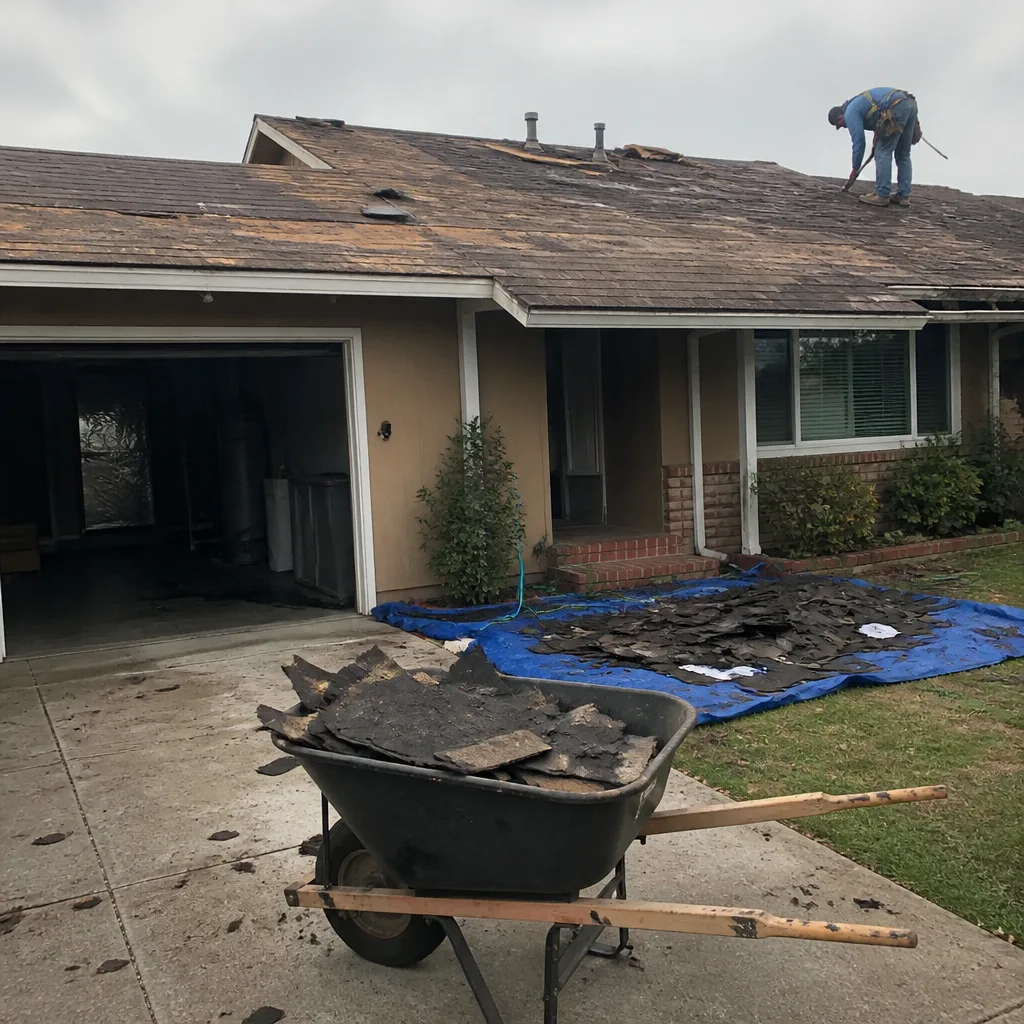 Before
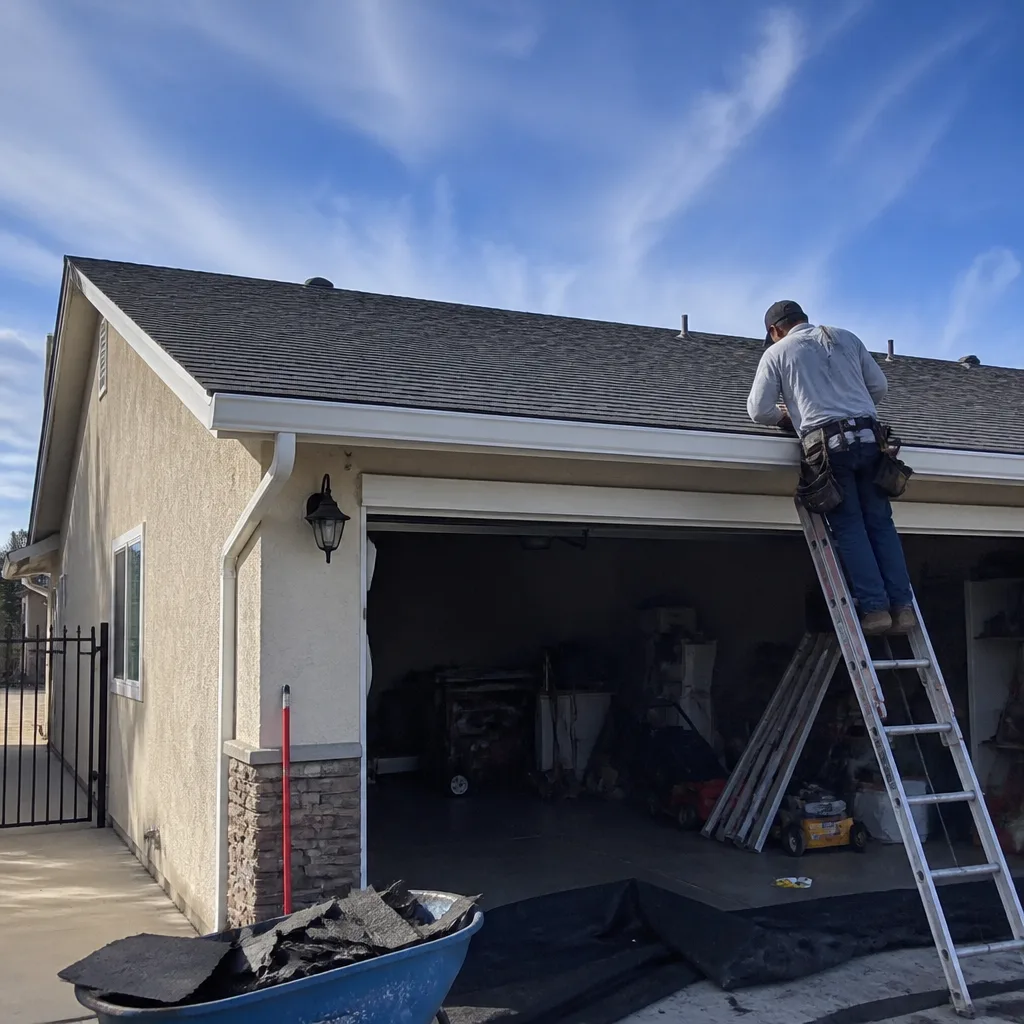 After
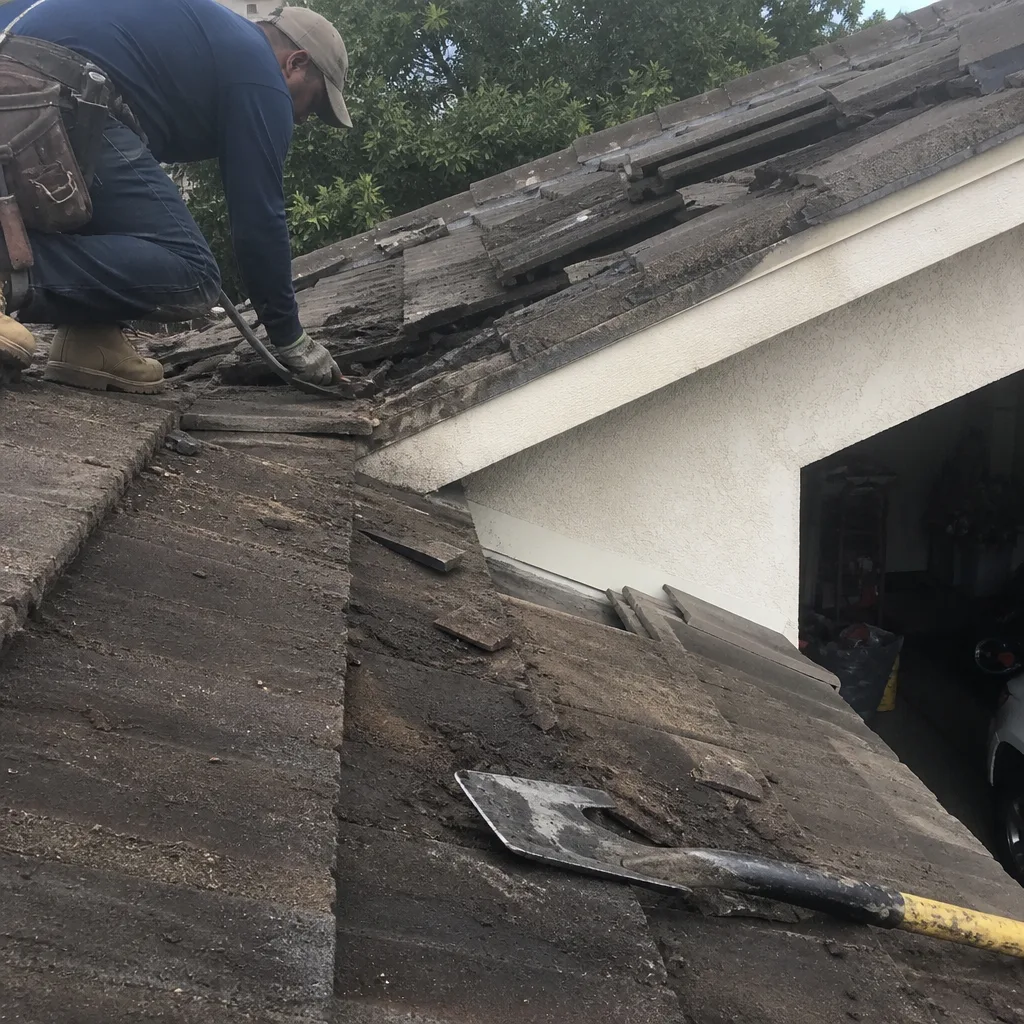 Before
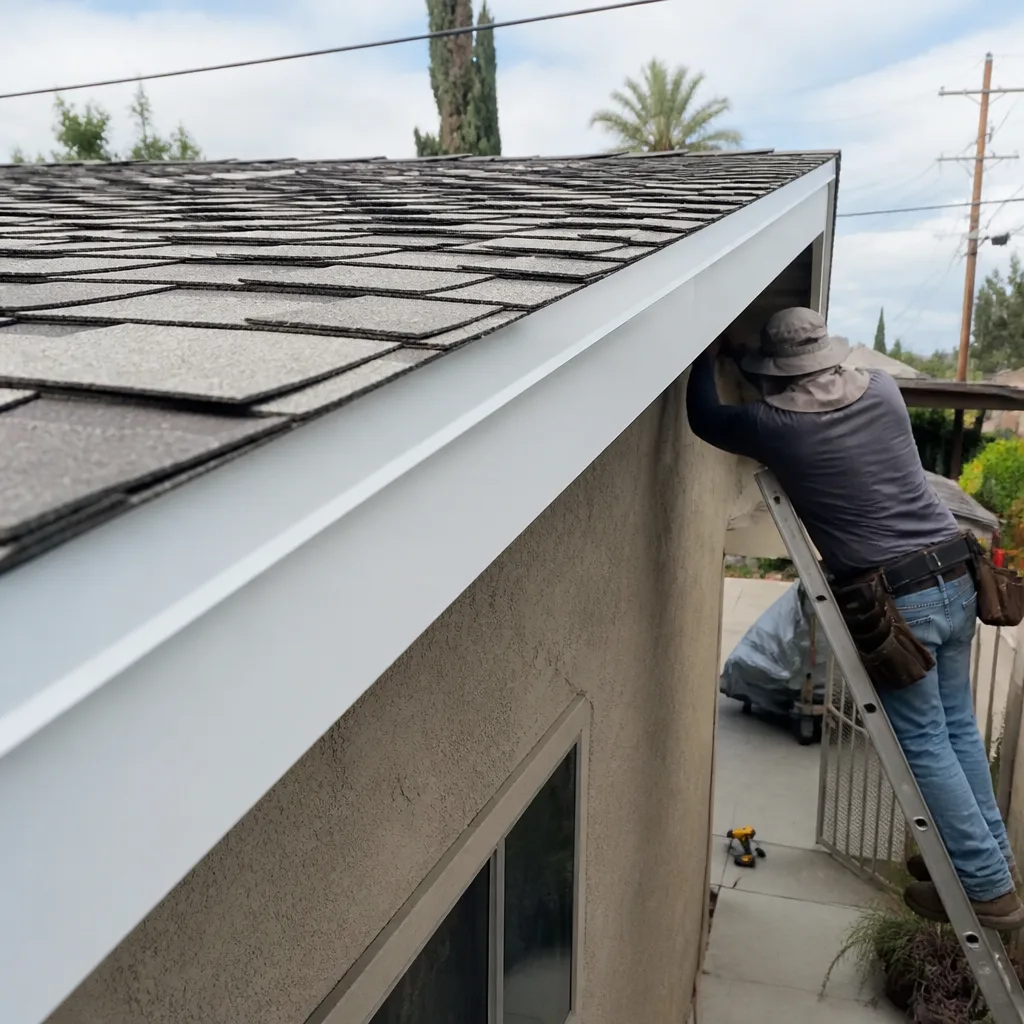 After
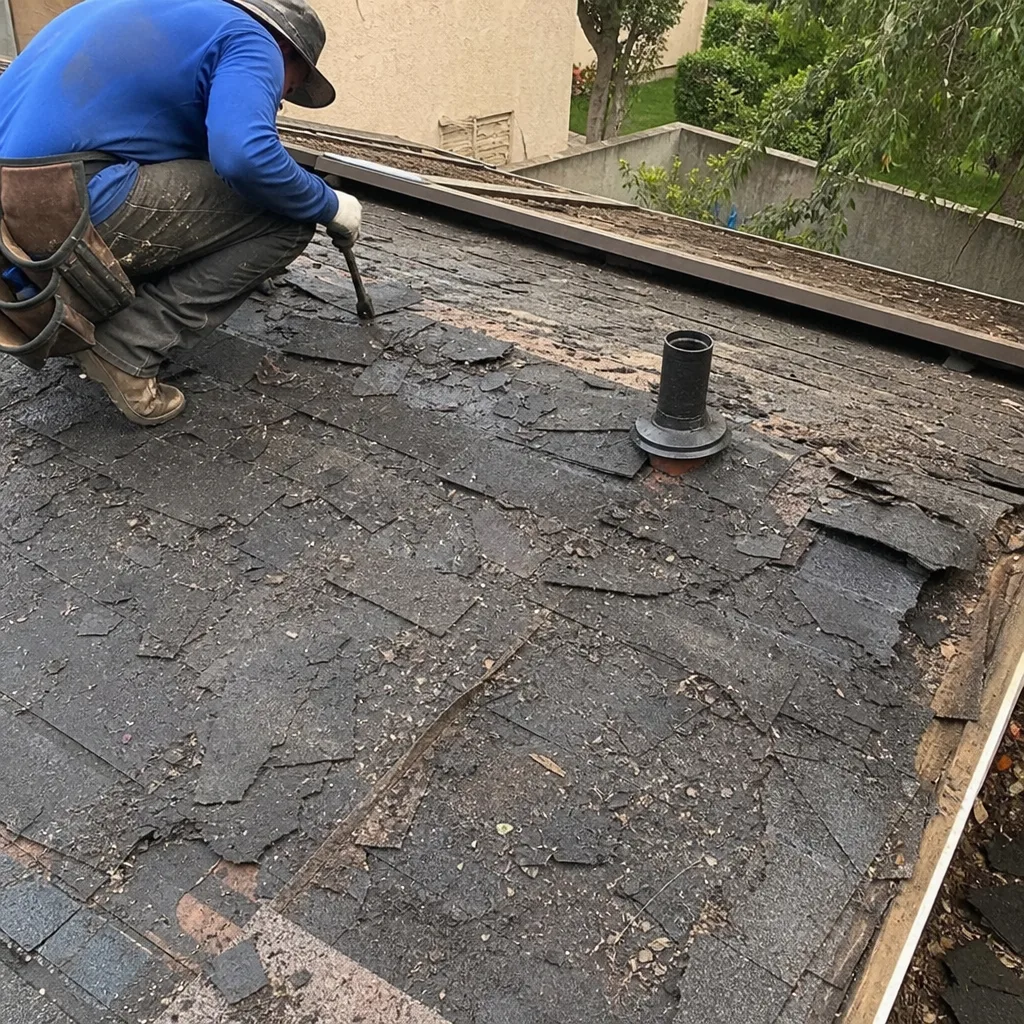 Before
 After