
Last updated October 30, 2026
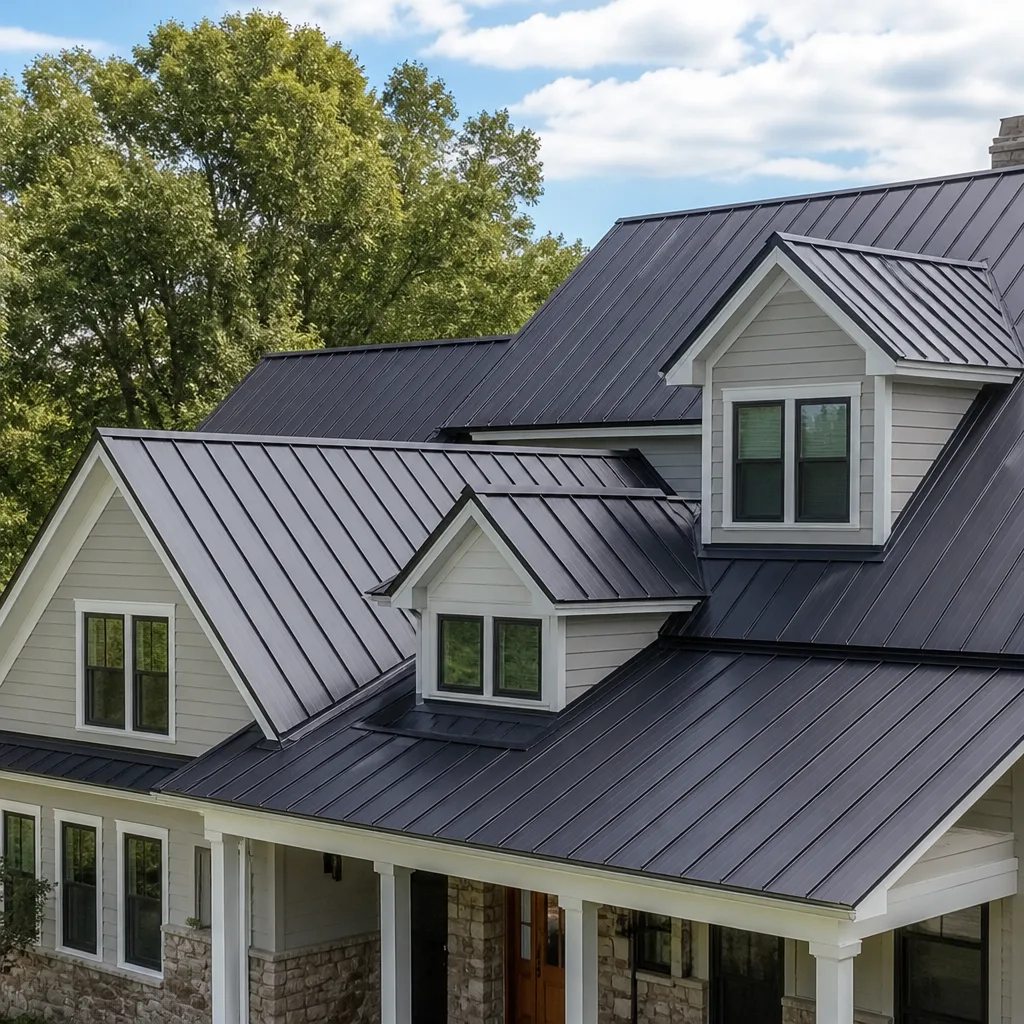 Metal roofing
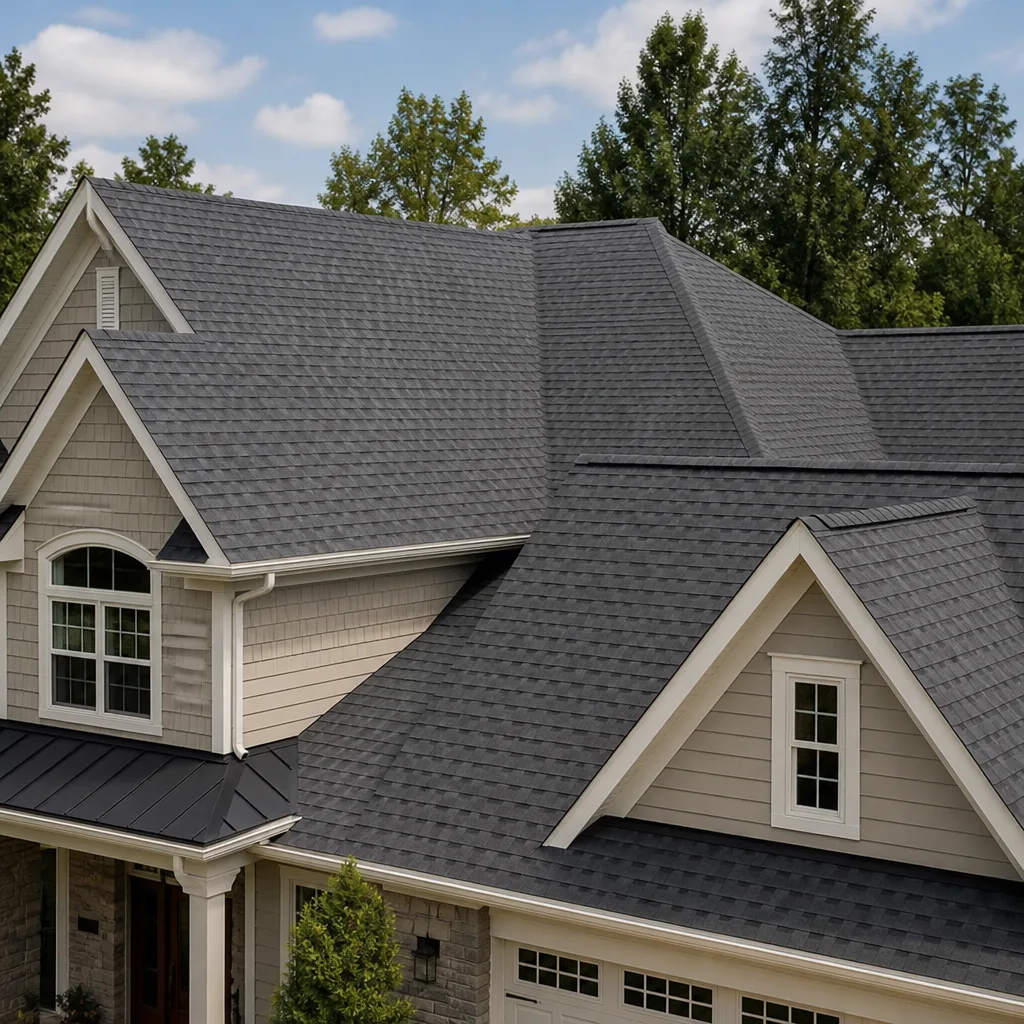 Architectural shingles
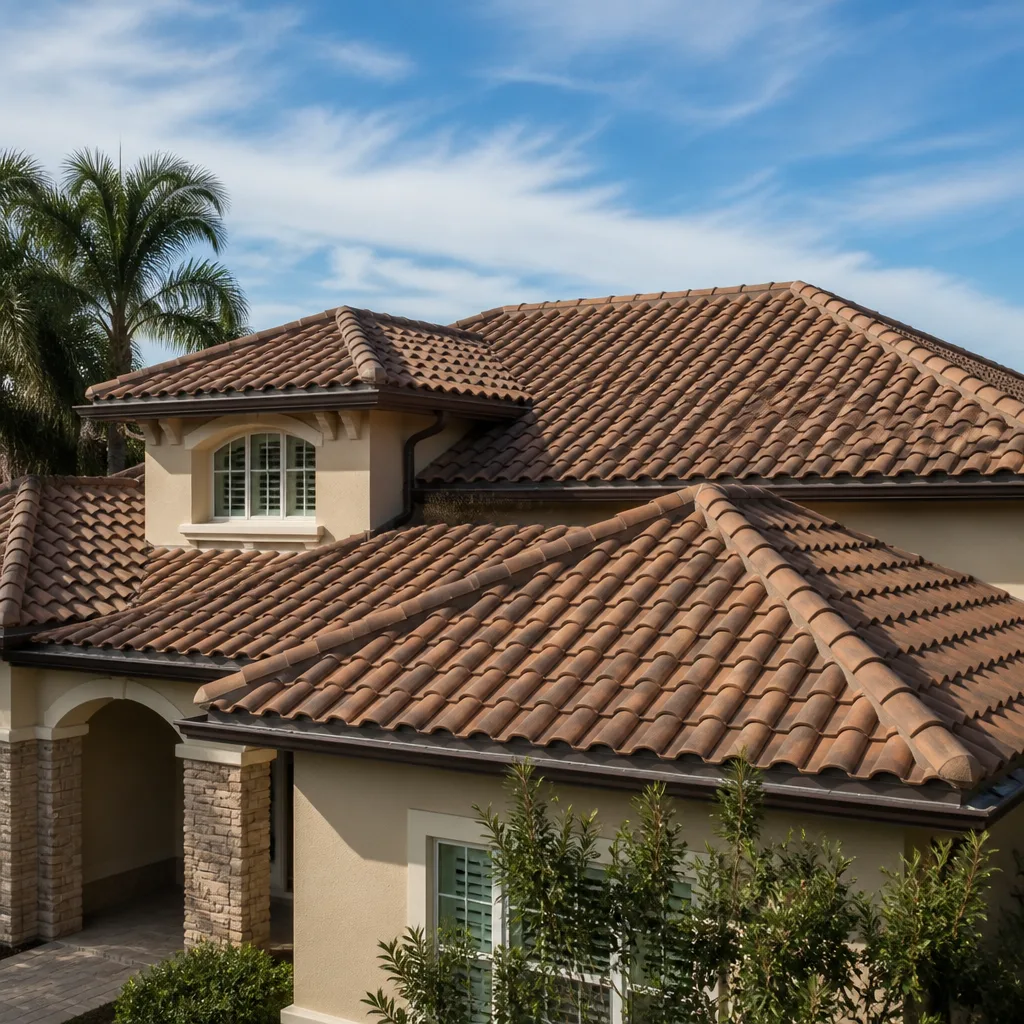 Tile roofing
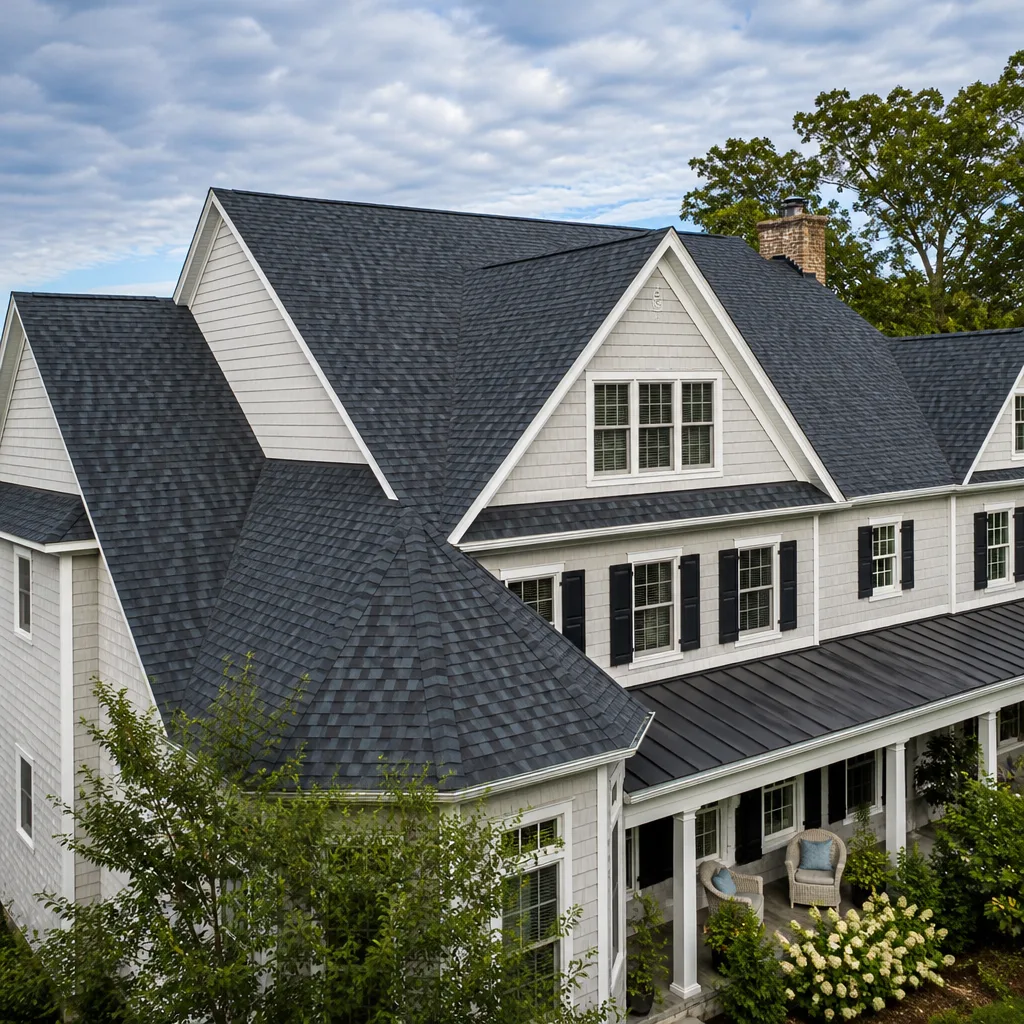 GAF
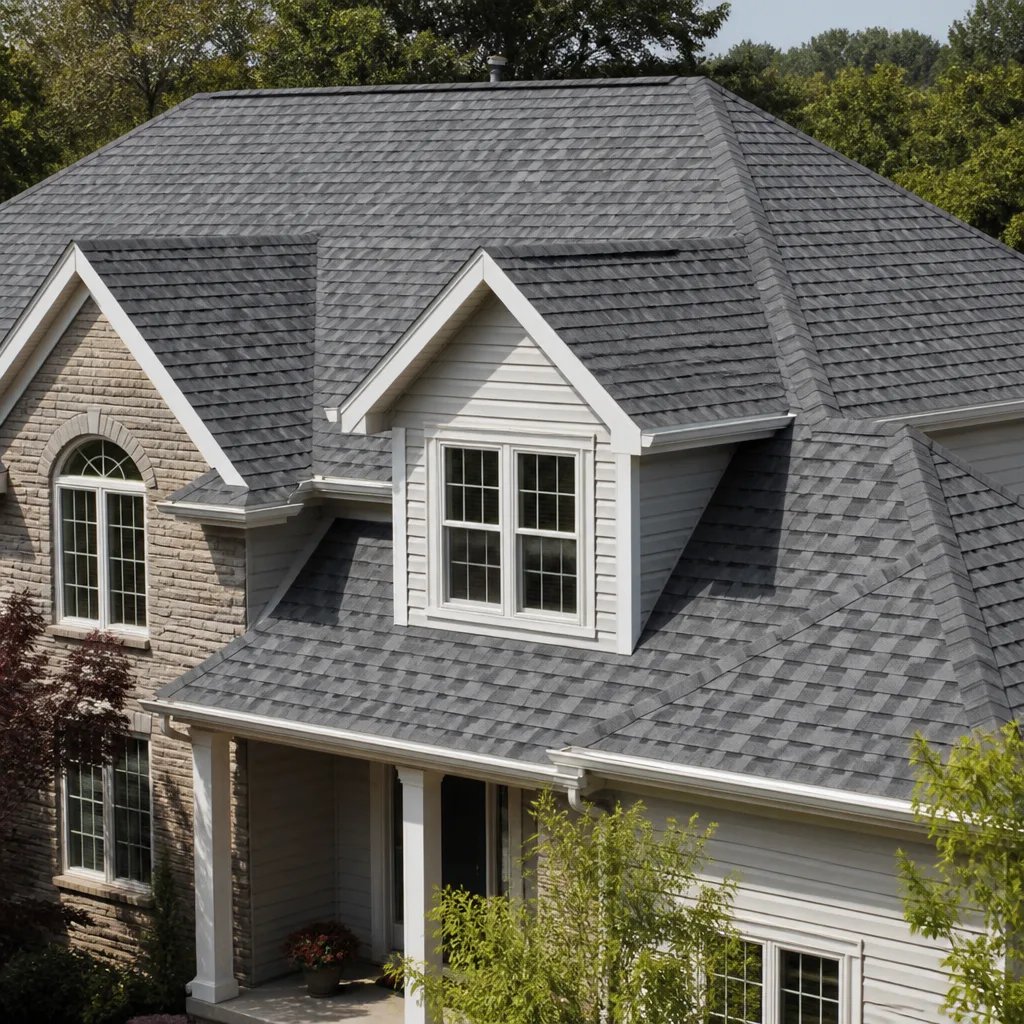 Owens Corning
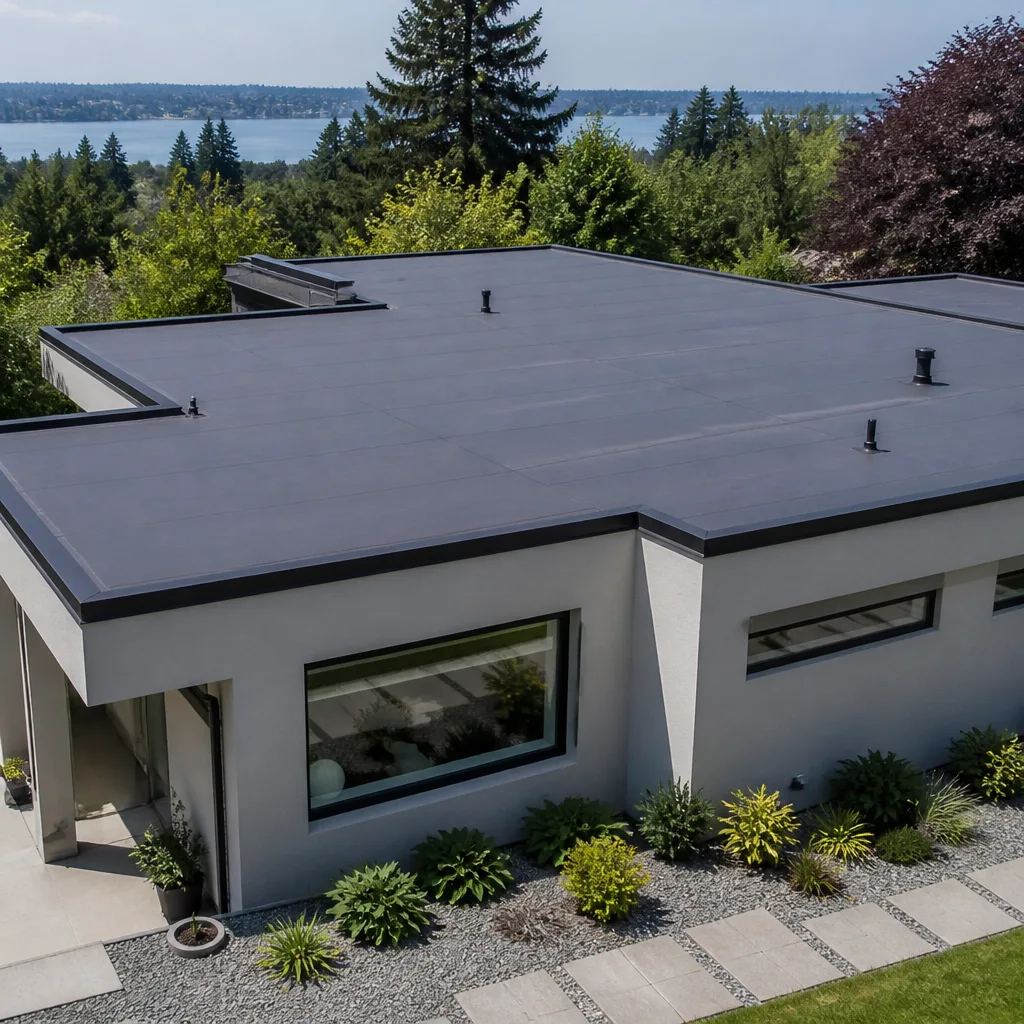 Flat & low-slope
Free roof inspection with deck photos before we talk money - GAF and Owens Corning certified installation
The Complete Guide to Roofing in Garden Grove
A surprising number of Garden Grove homeowners we meet are living under a roof that was quoted for replacement by a contractor who never looked at what was underneath it. The shingles get torn off, the quote assumes a clean solid deck, and then the crew finds 1960s skip sheathing that changes the entire number. This guide will walk you through what actually determines roofing decisions in Garden Grove: the age of your house, your HOA’s fine print, the county’s permit queue, and why the material conversation here isn’t the same one you’d have in Irvine or Anaheim. For more guides & resources, see our blog. By the end, you’ll know what to ask, what to skip, and what your roof should honestly cost.
Styles & brands we work with
Quick Answer
Roofing in Garden Grove runs on four local realities: homes built between 1950 and 1975 frequently sit on skip sheathing that affects both material choice and re-roof cost; many HOA communities restrict shingle profile and color before you ever pick a brand; Orange County’s permitting process adds scheduling time most national guides ignore; and coastal-adjacent humidity from the Long Beach/Seal Beach corridor makes algae-resistant materials a practical consideration rather than an upsell. A roof inspection that documents the deck type before any estimate is the single most useful first step a homeowner here can take.
Table of Contents
- Skip Sheathing vs. Solid Decking: Why Your 1963 Roof Costs More Than Your Neighbor’s 1998 Roof
- Orange County Permit Timelines and How They Reshape a Garden Grove Roofing Schedule
- HOA CC&Rs: What Garden Grove Associations Actually Restrict on Roofs
- Coastal-Adjacent Humidity and Algae-Resistant Shingle Selection
- Flat and Low-Slope Sections on Garden Grove Ranch Homes: A Different Conversation
- Choosing Shingle Brands in Garden Grove: What the Seven-Brand Reality Means
- What Roofing Costs in Garden Grove, Line by Line
- Common Mistakes to Avoid
- When to Call a Professional
- Frequently Asked Questions
- The Bottom Line
Skip Sheathing vs. Solid Decking: Why Your 1963 Roof Costs More Than Your Neighbor’s 1998 Roof
In Garden Grove, the age of your house is the single most reliable predictor of what a roofing project will actually cost, before anyone talks shingle brand or color. Homes in the West Garden Grove tract and the neighborhoods spreading north from Garden Grove Boulevard were largely built in the 1950s, 1960s, and early 1970s. A great many of those roofs were originally framed with skip sheathing: horizontal boards spaced a few inches apart, rather than the continuous plywood or OSB decking that became standard building practice later. Skip sheathing was perfectly acceptable for the cedar shake and heavy three-tab shingles of that era. It is not automatically compatible with modern architectural shingles, and most of the seven major manufacturers we work with will not warranty a shingle installed over spaced boards without a solid substrate.
What this means in practical terms: a re-roof on a Garden Grove home with skip sheathing will usually require either re-decking over the spaced boards with plywood or OSB, or, in some cases, the use of specific shingle products engineered for spaced sheathing. Re-decking adds material and labor, and it is the line item most often absent from a low initial quote. A contractor who gives you a number over the phone without knowing whether your deck is solid has not priced your roof. A contractor who walks the roof and checks the deck from the attic side has. See The Complete Roof Repair Guide for Garden Grove Homeowners for what thorough pricing should include. We regularly inspect roofs in Garden Grove where the shingles are only eight years old and failing at the seams because they were installed directly over skip sheathing that should have been addressed first. The shingle was never the problem. The substrate was.
How to Find Out What Your Garden Grove Home Has
- Go into the attic during daylight hours with a flashlight. Look up at the underside of the roof plane. If you see continuous wood panels, you have solid decking. If you see boards with visible gaps between them, you have skip sheathing.
- Look for the spacing. Two to four inch gaps are common. Wider gaps, up to six inches, appear on some 1950s ranch styles and usually rule out direct shingle installation entirely without re-decking.
- Check for any signs of past repairs. Garden Grove homes that have had a partial re-roof at some point often have a mix: solid plywood over one section, skip sheathing elsewhere. The roof cannot be quoted as one uniform surface.
Orange County Permit Timelines and How They Reshape a Garden Grove Roofing Schedule
Roofing permits in Garden Grove go through the city’s building division, which operates within Orange County’s broader code framework. A straightforward residential re-roof permit is not a long wait, but it is also not same-day. Current processing typically lands between a few business days and two weeks for a reroof with like-for-like materials. Any change in roof covering type, any structural repair, or any work involving an older home with undocumented additions pushes the timeline out further. Homeowners who assume the permit is a formality are the ones who end up with materials on their driveway and a crew waiting on a Thursday morning with no card to post.
What actually matters for scheduling in Garden Grove is the order of operations. The permit is pulled after the contract is signed and before materials are ordered or any tear-off begins. If your project involves re-decking over skip sheathing, that often triggers a structural review that the simple shingle swap does not. If your HOA has any approval step, that must clear before the permit application goes in. We build that sequencing into every Garden Grove project plan and we tell homeowners up front when their roof is likely to take a week longer due to county review. A good roofing timeline for this city accounts for the queue. It does not pretend the queue does not exist.
HOA CC&Rs: What Garden Grove Associations Actually Restrict on Roofs
Garden Grove has a high concentration of planned communities and homeowner associations, and many of them have rules about roofing that are more specific than the city’s building code. The restrictions cluster around three areas: shingle color, shingle profile, and material type. Some associations require a specific color palette, usually earth tones in the brown to grey range, to maintain tract uniformity. Others prohibit three-tab shingles entirely and require a minimum architectural profile. A smaller number still have legacy language requiring wood shake, which is now functionally obsolete and nearly impossible to insure, and those associations will typically approve a dimensional composite shingle with a shake-like profile as a substitute, provided the homeowner submits samples with the architectural review request.
Before you buy shingles for a Garden Grove home, read the CC&Rs. Do not rely on the roofing contractor to know your association’s rules, and do not rely on the association to catch a violation before work starts. If you’re weighing whether to tackle prep work yourself, our DIY vs Professional Roofing: The Garden Grove Homeowner’s Decision Guide covers where homeowner effort helps and where it risks costly missteps. The correct sequence is: pull your CC&R documents, identify the roofing section, request an architectural review if required, get written approval, then sign a roofing contract. We have matched shingle colors and profiles in Garden Grove HOA communities including those off Lampson Avenue and the tracts west of Euclid Street, and the difference between a smooth approval and a stop-work order is almost always whether the homeowner did the review step before the first shingle came off.
Coastal-Adjacent Humidity and Algae-Resistant Shingle Selection
Garden Grove sits roughly ten miles inland from Seal Beach and Long Beach, close enough that marine-layer air moves through the city regularly, usually in the morning and evening. That air carries moisture and it lingers on north-facing and tree-shaded roof planes. The visible result on many Garden Grove roofs is the black streaking that homeowners often assume is dirt or pollution. It is almost always Gloeocapsa magma, a cyanobacterium that feeds on the limestone filler in standard asphalt shingles. It does not usually compromise the roof’s function in the short term, but it worsens over time, and on a roof with any ventilation deficiency, the retained moisture it indicates can shorten shingle life.
The practical answer for Garden Grove is algae-resistant shingle selection. Most major manufacturers, including GAF, CertainTeed, and Owens Corning, embed copper or zinc granules in their mid-tier and premium lines specifically to inhibit this growth. These shingles do not cost meaningfully more than non-resistant equivalents, and in a city where tree canopy in older neighborhoods like those around Edgar Park keeps roofs damp, the difference shows up within five to seven years. A roof that looks clean is not a vanity metric. It is a sign the material is resisting a specific local biological pressure, and it is one of the factors we weigh when a Garden Grove homeowner asks whether to pay for a shingle upgrade or save the money. The climate here answers that question more often than not in favor of the upgrade.
Flat and Low-Slope Sections on Garden Grove Ranch Homes: A Different Conversation
A large share of Garden Grove’s post-war housing stock is ranch-style or L-shaped, and a defining feature of those homes is the roof line: a relatively steep pitched front plane that drops into a nearly flat section over an addition, a carport conversion, or a patio cover. Many homeowners think of their roof as one surface and expect one material to cover all of it. That is not how roofing works. Asphalt shingles are rated for a minimum slope, usually around 2:12 or 3:12 depending on the manufacturer. Below that pitch, water moves too slowly, and shingled low-slope sections become the most common leak source on Garden Grove homes, precisely because they should not be shingled at all.
Flat and low-slope sections require a different material system. The standard options are modified bitumen, which is a rolled asphalt product applied in overlapping layers, or single-ply membranes like TPO. The right choice depends on the substrate, the existing flashing details, and how the low-slope section ties into the pitched roof. The critical detail is the transition line, called the dead valley or the pitch change seam, where water from the upper roof concentrates and runs onto the lower surface. This is where most failures occur on Garden Grove ranch homes. Any roofing contractor who quotes a single shingle price for the whole roof without separating the low-slope areas has either not looked closely at the roof or does not understand what they are looking at. We price low-slope sections as their own line item, because they are their own roofing system, with their own material cost, their own labor, and their own warranty terms.
Choosing Shingle Brands in Garden Grove: What the Seven-Brand Reality Means
Most roofing companies in Orange County are aligned with one or two manufacturers. That alignment is not a technical decision on their part; it is a volume rebate arrangement, and it means the contractor’s recommendation is partially predetermined before they ever see your roof. Our position is different. We are certified to work with all seven of the industry’s dominant shingle manufacturers: GAF, CertainTeed, Owens Corning, IKO, Atlas, Tamko, and Boral. That matters in Garden Grove for one reason above all others: partial repairs. When a tree branch takes out a section of shingles on the south side of a roof or a pipe boot fails and the surrounding shingles need replacement, the new material must match the existing roof. A contractor locked into one brand will tell you the match is close enough, or that you should replace the whole roof to avoid a mismatch. We work with your roof’s existing materials, not against them. Seven major brands. One honest recommendation.
Brand-agnostic sourcing also changes the replacement conversation. GAF and CertainTeed make excellent shingles, and so do Tamko and Boral. The right product for a Garden Grove home depends on the roof pitch, the deck condition, the HOA color restrictions, the homeowner’s insurance requirements, and whether the roof carries any manufacturer warranty continuity from a previous installation. None of those factors points to a single brand every time. A company with access to all seven can select from the full range and stand behind the choice. A company with access to one or two selects from what they have. The distinction is not subtle.
What Roofing Costs in Garden Grove, Line by Line
Roofing costs in Garden Grove vary widely, and the variance is driven by the factors described above, not by contractor whim. A 1,800-square-foot ranch with solid decking, a 4:12 pitch, and a standard architectural shingle replacement will land in a very different place than a 1,300-square-foot 1962 home on skip sheathing with a flat patio section and an HOA color restriction. The table below reflects the ranges we have seen across Garden Grove over the past several years. Treat these as planning numbers, not quotes.
- Standard architectural shingle replacement, solid deck, straightforward roof: $11,000 to $16,500
- Same roof with skip sheathing requiring re-deck over spaced boards: Add $4,000 to $7,500
- Flat or low-slope section replacement with modified bitumen or TPO: $2,200 to $5,000 depending on square footage and tie-in complexity
- Partial repair, shingle replacement and flashing, no deck work: $450 to $1,800 depending on scope and accessibility
- Standalone roof inspection with written findings report: Typically $250 to $450, often credited toward work if you proceed
The line that surprises homeowners most is the re-decking charge on older Garden Grove homes, and it is the line most likely to be omitted from a low initial estimate. A quote that does not mention deck condition cannot be an honest quote on a pre-1975 home. The second most common surprise is the permit and associated fees, which some contractors bury in the fine print. A good estimate lists every line item, including haul-away, underlayment, deck repair allowance, and the permit cost, so you can compare quotes line against line instead of staring at a single bottom number you cannot decode.
Common Mistakes to Avoid
- Accepting a phone quote on a pre-1975 Garden Grove home. The deck type, the roof pitch, the valley count, and the low-slope sections cannot be assessed without standing on the roof and looking in the attic. A phone number is a guess with a price tag.
- Skipping the HOA review step. We have watched Garden Grove homeowners sign contracts, schedule tear-off, and then receive a stop-work letter from their association because the shingle color was never approved. The approval costs days. The violation costs weeks and often money.
- Allowing a single brand to be the recommendation. If every roof the contractor installs is one manufacturer, the recommendation was made before the diagnosis. On a partial repair in particular, you want the contractor who can match what you already have.
- Ignoring the attic ventilation conversation. Garden Grove’s marine-layer humidity means a roof that is re-shingled without addressing ventilation will cook the new shingles from below. Ventilation is not an add-on. It is part of the system.
- Treating the flat section like the pitched section. Ranch homes with patio additions have two different roof systems on the same structure. A single-material quote for both is a red flag.
- Choosing shingles by color alone. In Garden Grove’s climate, algae resistance and wind rating matter more than the shade on the sample board. The color is the last decision, not the first.
- Deferring a roof inspection because the roof is not actively leaking. By the time water shows up on the ceiling in a Garden Grove home, the roof has usually been failing quietly for months. The ceiling stain is the final symptom, not the first.
When to Call a Professional
Call a professional when you see lifted shingles after a Santa Ana wind event, when dark streaking has spread across a north-facing plane and you do not know whether it is cosmetic or biological, when your 1960s home has never had its deck type documented, when your HOA has sent a notice about roof condition, when water stains appear on the ceiling after a heavy Pacific storm, or when you are preparing to sell and want a written roof condition report before the buyer’s inspector writes one that scares them off. A roof inspection with no strings attached is the right starting point for any of these situations. If you want guidance on vetting who performs it, read How to Hire a Roofing Contractor in Garden Grove: A Step-by-Step Guide. Crown Line Roof Repair offers free estimates in Garden Grove. Call (844) 966-3891 and we will walk the roof, document what is there, and give you a straight answer on what needs to happen, in what order, and what it will cost. Repair first. Replacement only when the numbers justify it.
Frequently Asked Questions
A typical architectural shingle roof replacement in Garden Grove runs $11,000 to $16,500 for a solid-decked home with a straightforward roof line. On older homes with skip sheathing, expect the re-decking to add $4,000 to $7,500 on top of the shingle price. Call (844) 966-3891 for an exact quote. Estimates are free.
Most Garden Grove re-roofs take five to ten working days on the roof itself, with permit approval adding a few business days to two weeks before work begins, depending on whether the city requires a structural review. HOA approval, if your community requires it, adds additional days before the permit can be submitted. Schedule accordingly.
California building code generally permits a single re-cover layer over one existing shingle layer, but on older Garden Grove homes on skip sheathing, the practice is often a bad idea. The spaced deck below the existing shingles does not provide the solid substrate modern manufacturers require, and the second layer will trap more heat and humidity inside the system. We usually recommend full tear-off on pre-1975 construction so the deck can be inspected and corrected.
Yes. Many Garden Grove planned communities have architectural review committees that must approve shingle color, profile, and sometimes material type before work begins. Check your CC&Rs first, submit the review request early, and do not sign a roofing contract until the approval is in writing.
In Garden Grove, absolutely. The city’s distance from Seal Beach is short enough that marine-layer air reaches the inland neighborhoods regularly, and the black streaking on many local roofs is algae growth, not dirt. Algae-resistant shingles cost little more than standard ones and make a visible difference on shaded and north-facing planes within a few years.
A proper Garden Grove roof inspection documents the shingle condition, deck type, flashing details around chimneys and pipes, ventilation status, low-slope sections if any, and existing HOA color compliance. The written report gives you a repair-versus-replace assessment without any obligation to buy anything. Call (844) 966-3891 to schedule one.
The Bottom Line
Garden Grove roofs are older than the California average, regulated by more layers than most homeowners realize, and shaped by a moisture profile that invisible on a sunny afternoon. The houses built between 1950 and 1975 carry deck conditions that change every quote. The HOAs overlay restrictions that change every purchase. The coastal humidity changes what materials make sense. None of this appears in a generic roofing guide. All of it appears in the real cost of owning a home here. The sequence that protects you is simple: inspect first, verify the HOA, pull the permit, address the deck, choose the material based on what the roof needs. You can read more on our Crown Line Roof Repair home page, or if you’re in a neighboring community, see our guides for Roof Repair in Rowland Heights, Roof Replacement in Rowland Heights, and Roof Inspection in Rowland Heights. Precision at the crown line, where roofing structure matters most.
Written by the team at Crown Line Roof Repair, serving Garden Grove since 2015.
See the difference
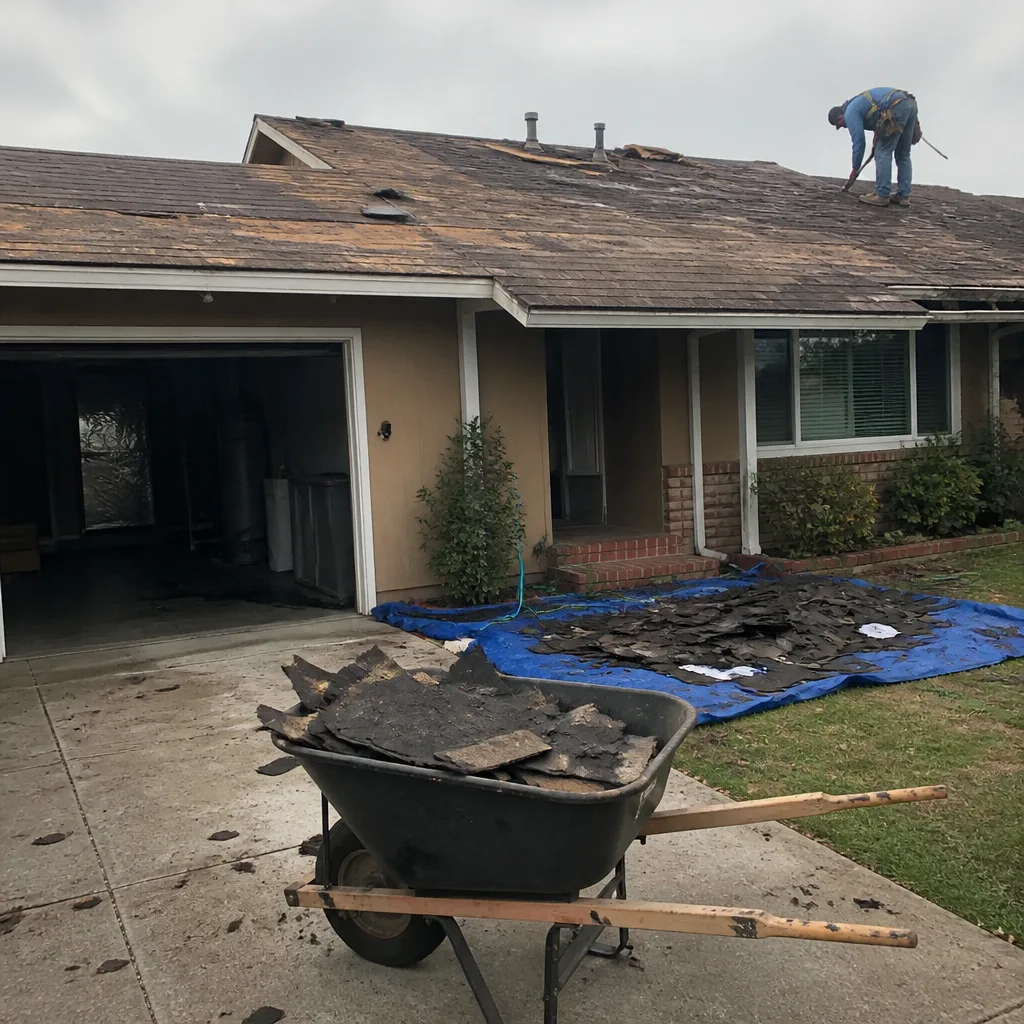 Before
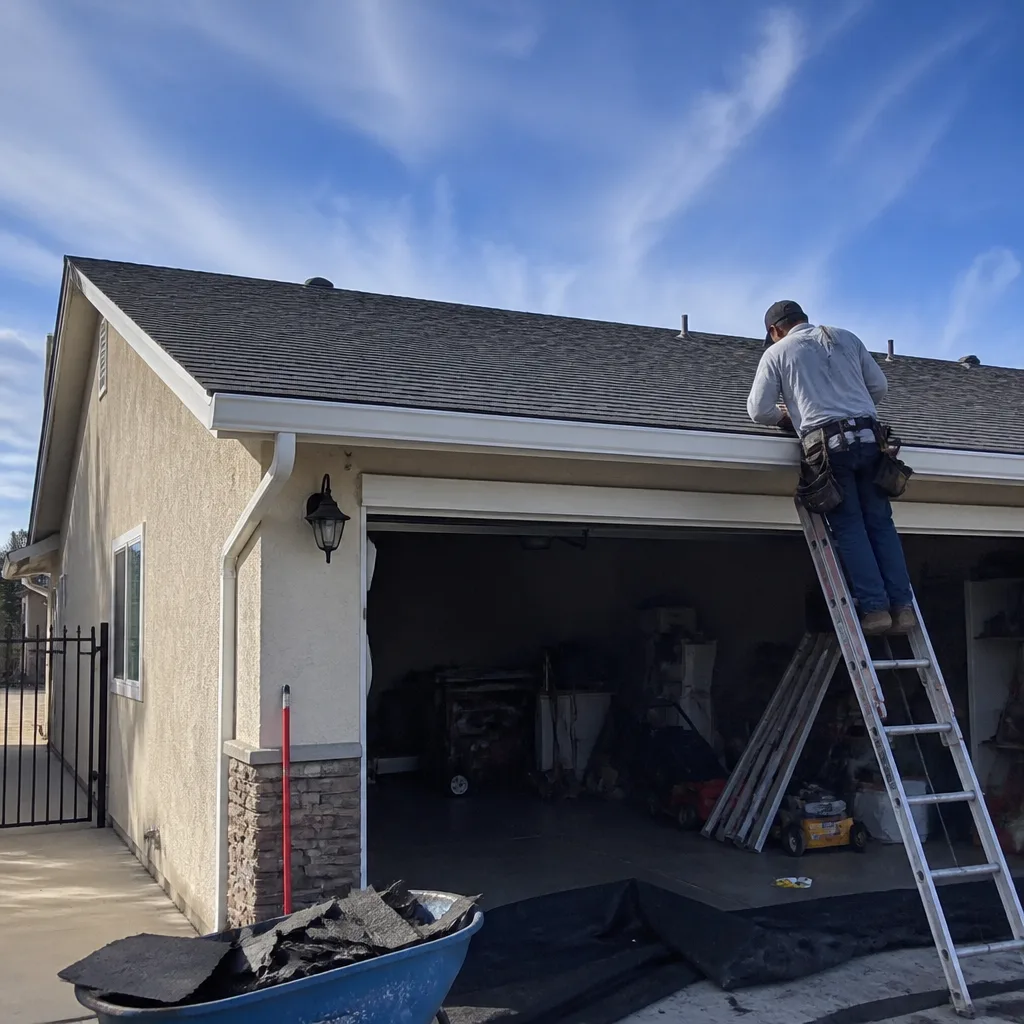 After
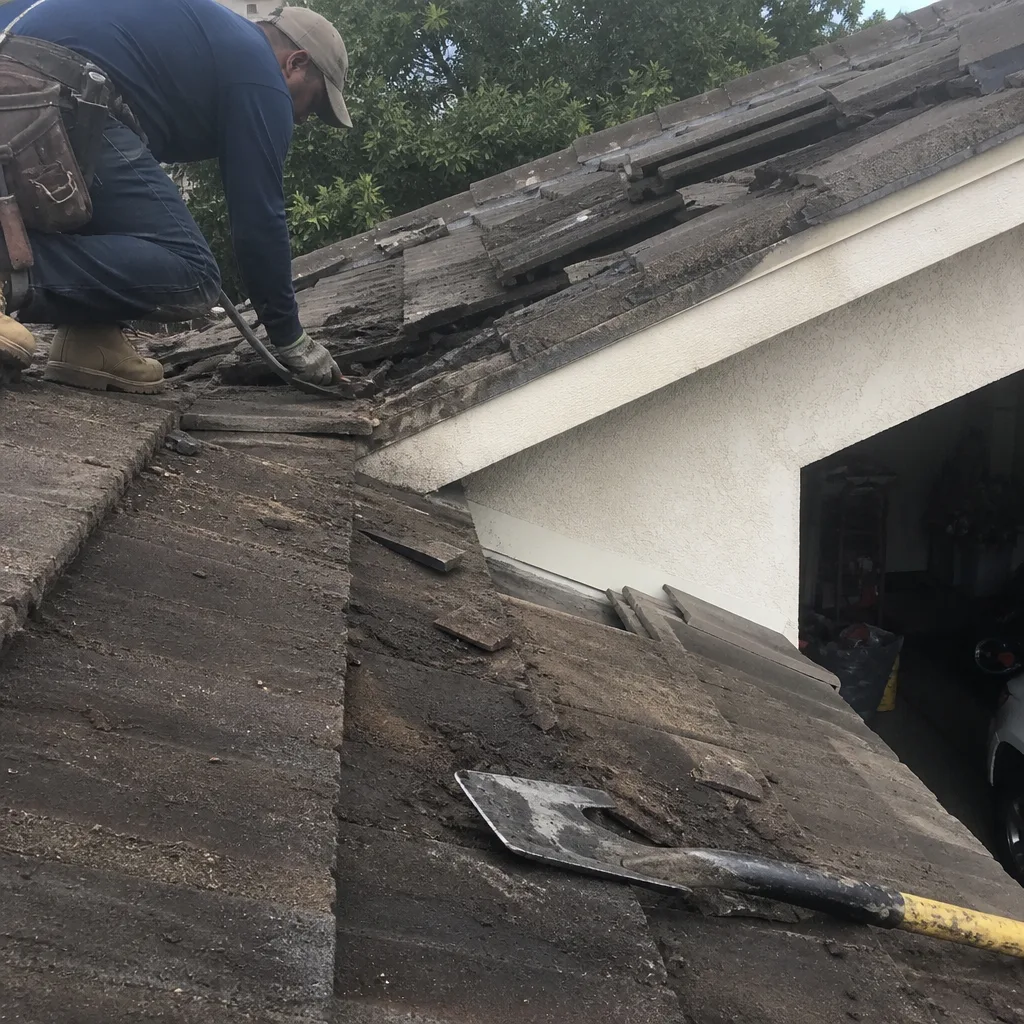 Before
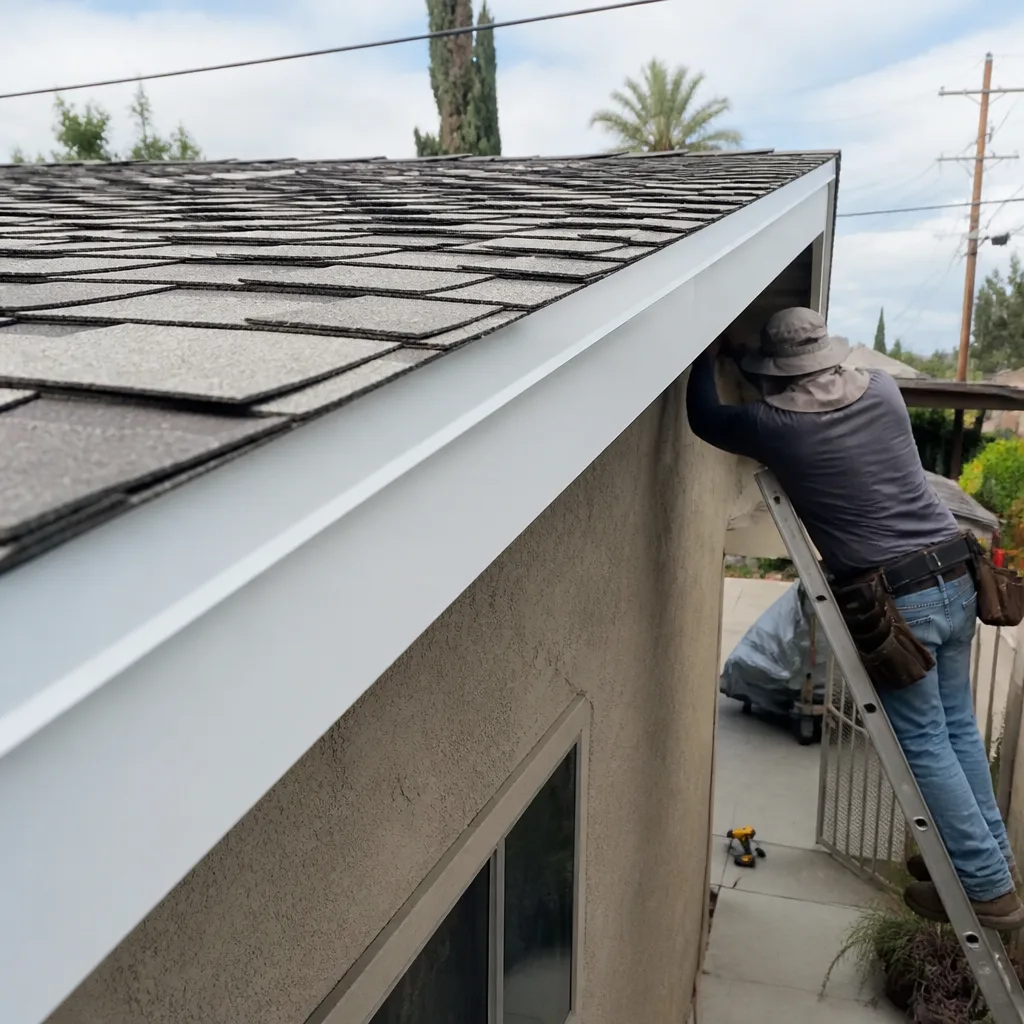 After
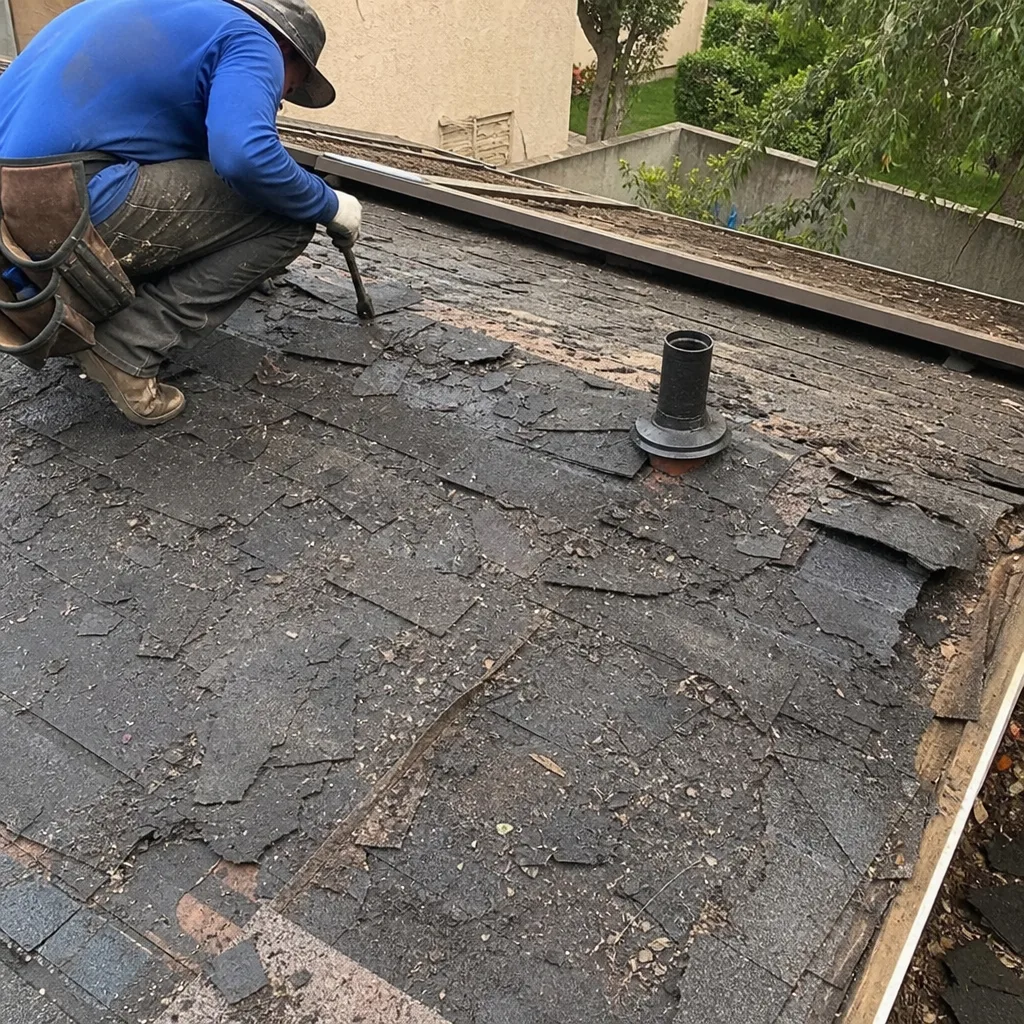 Before
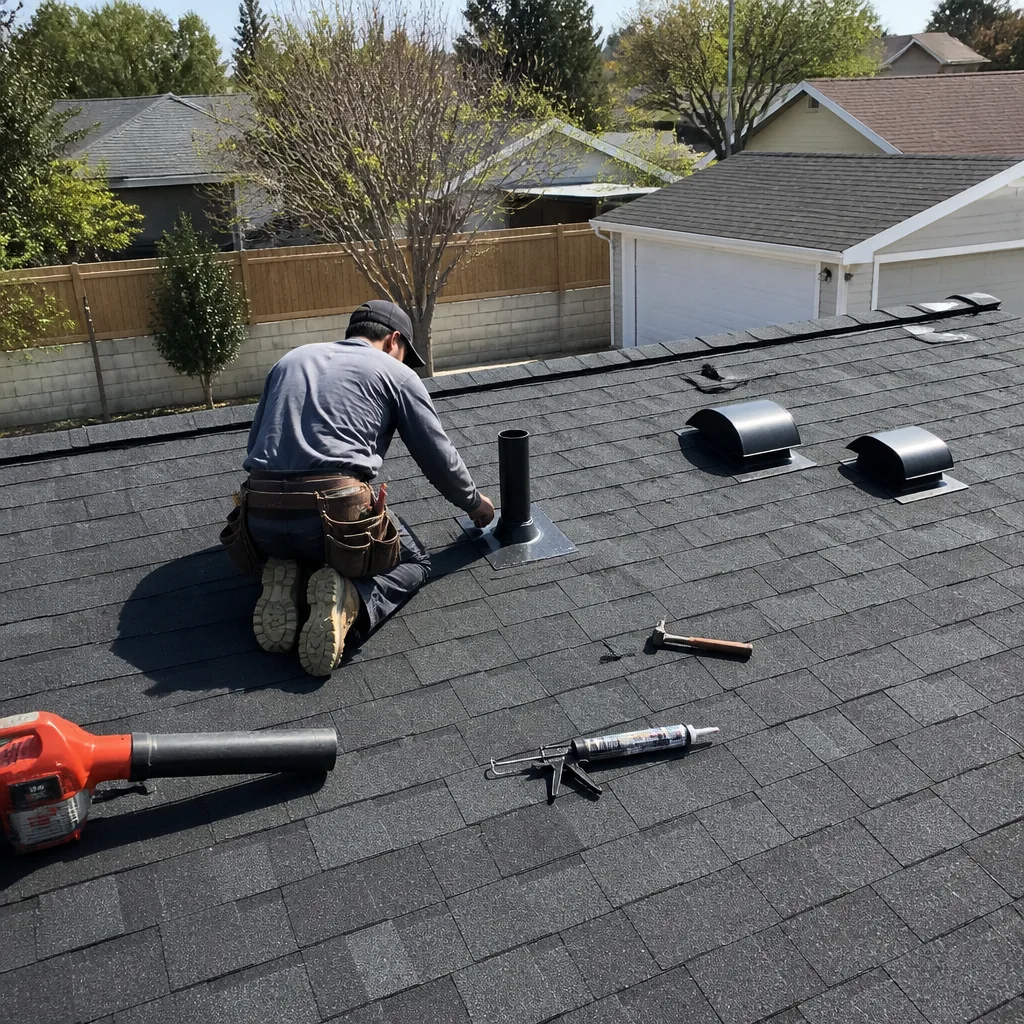 After