
Last updated October 30, 2026
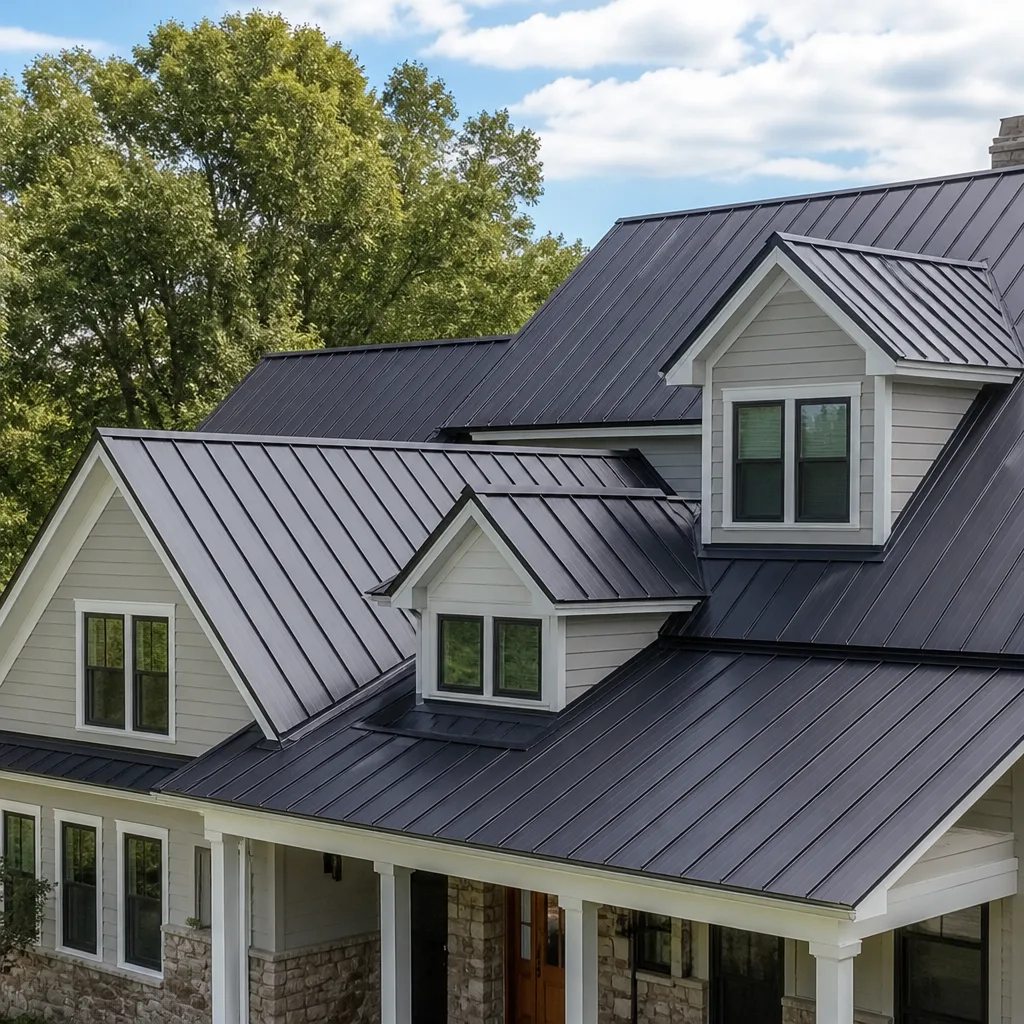 Metal roofing
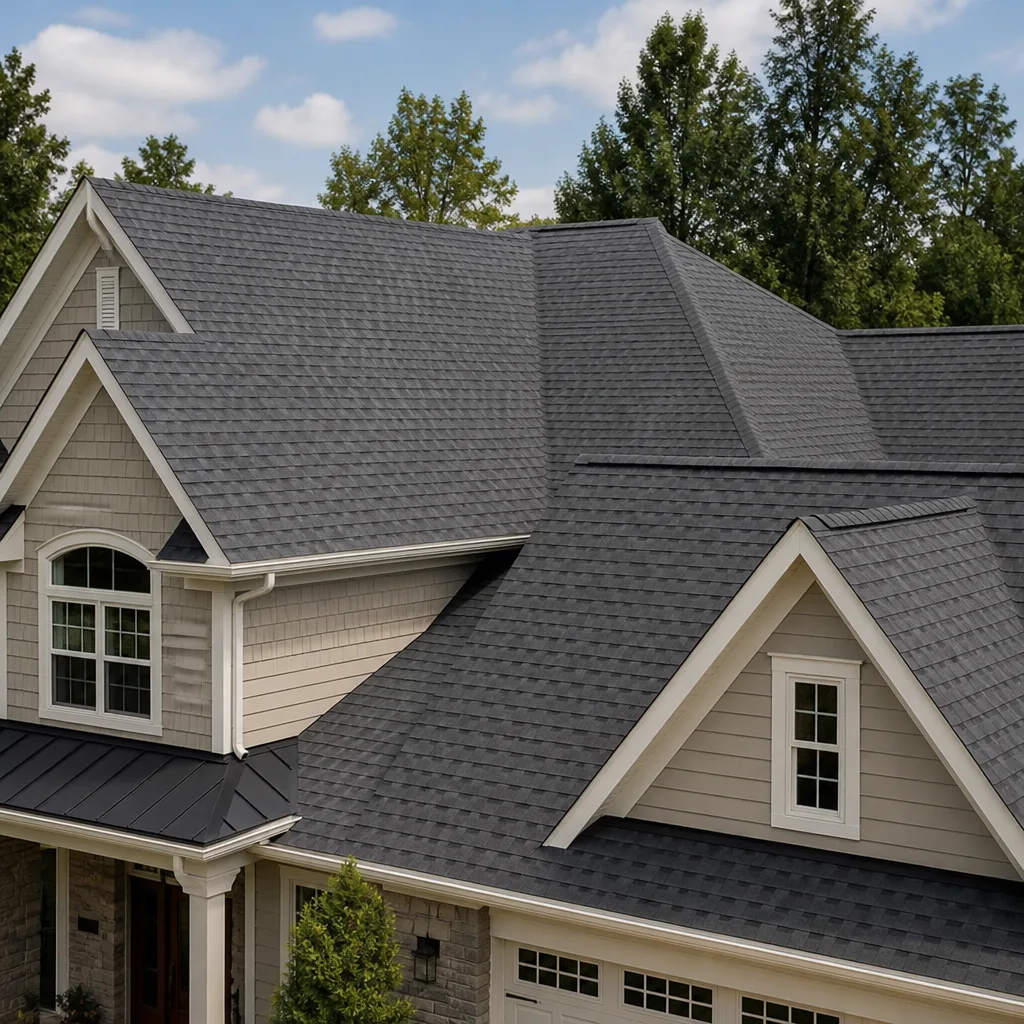 Architectural shingles
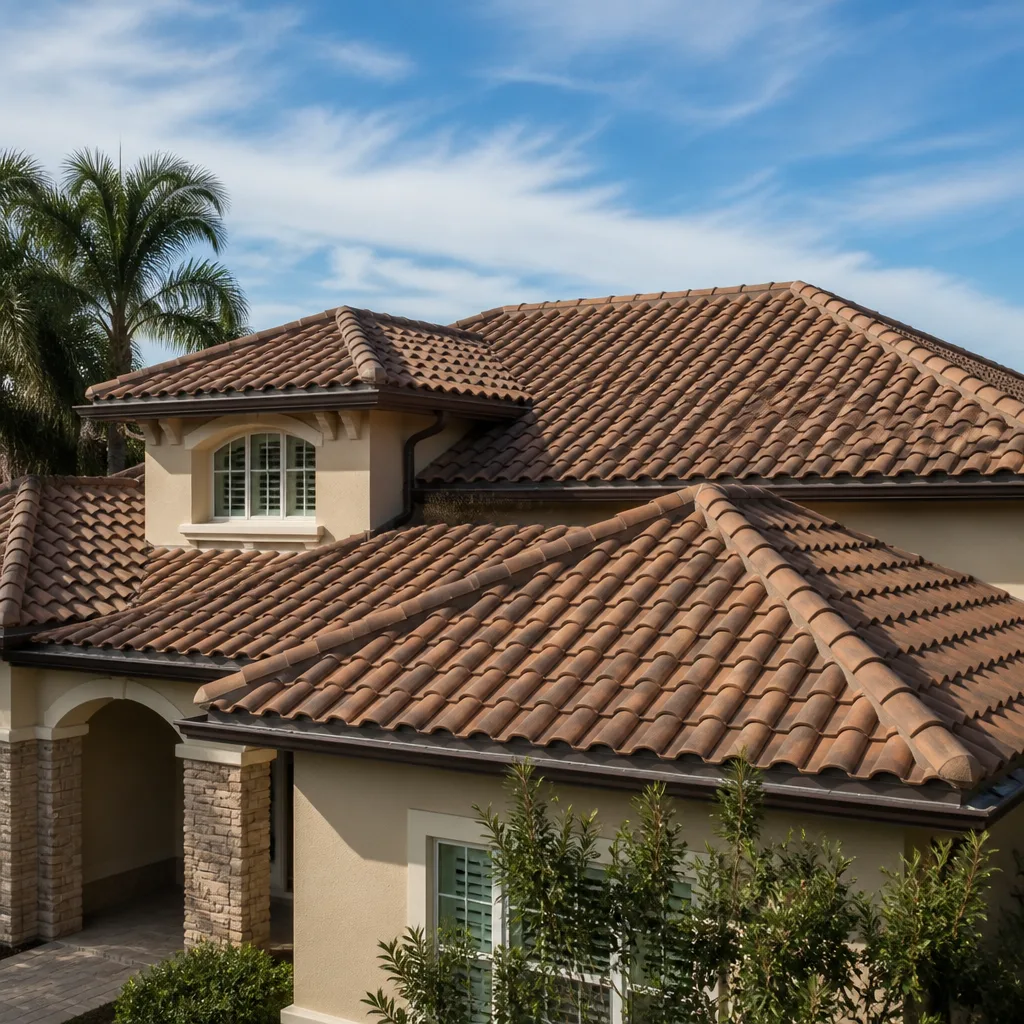 Tile roofing
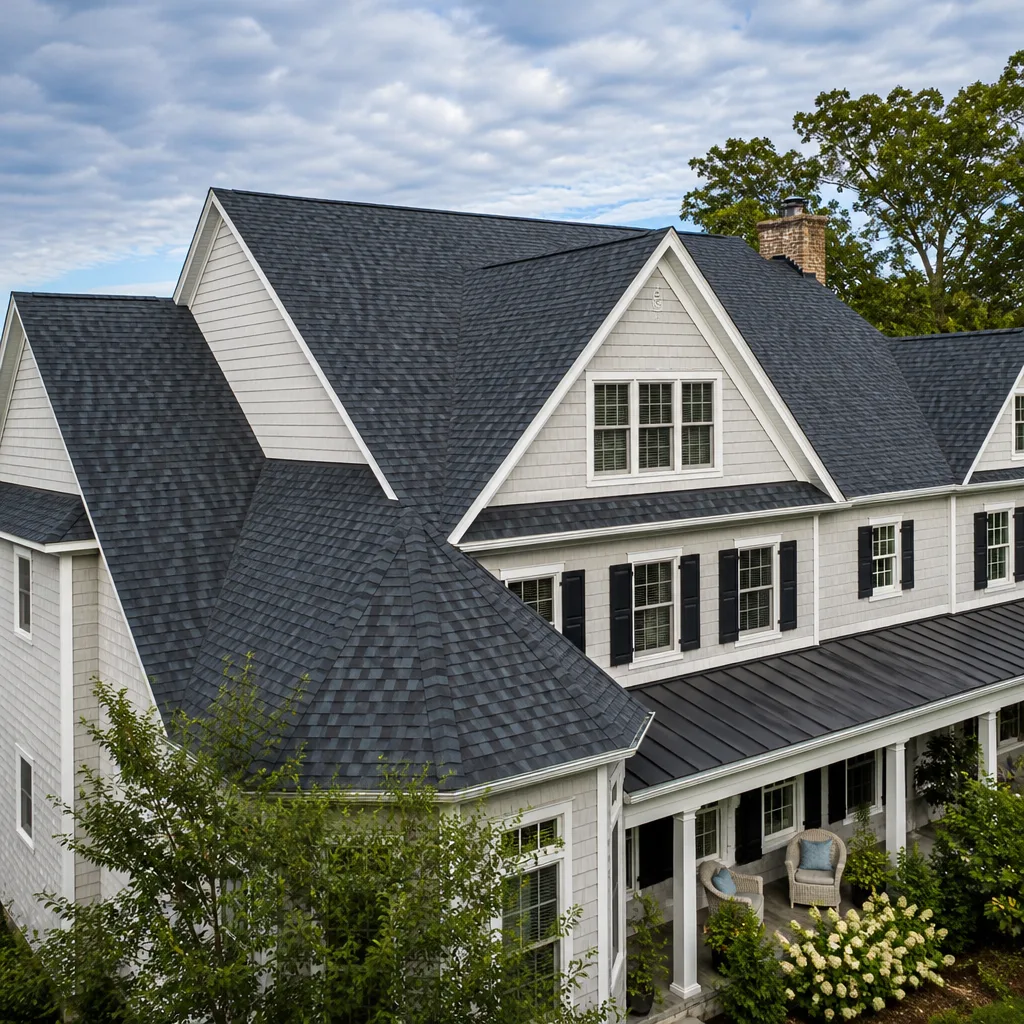 GAF
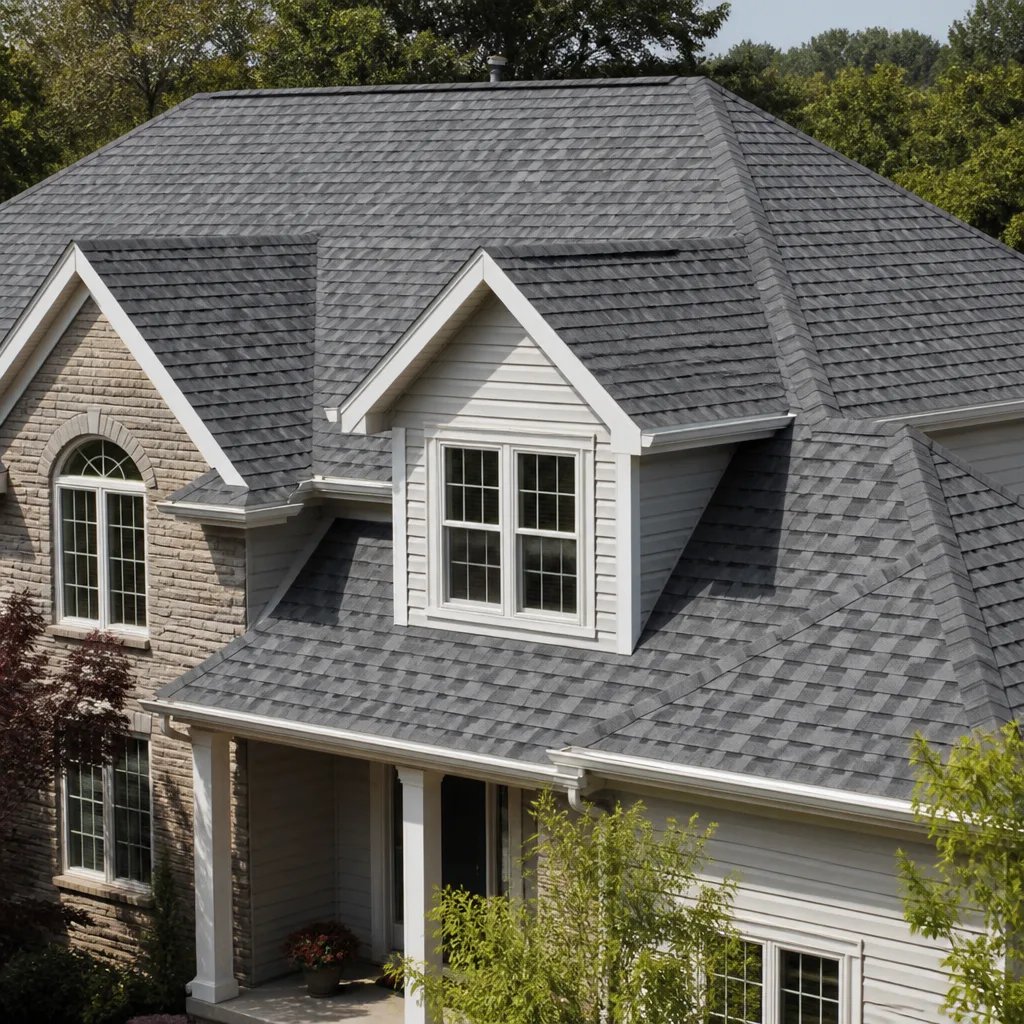 Owens Corning
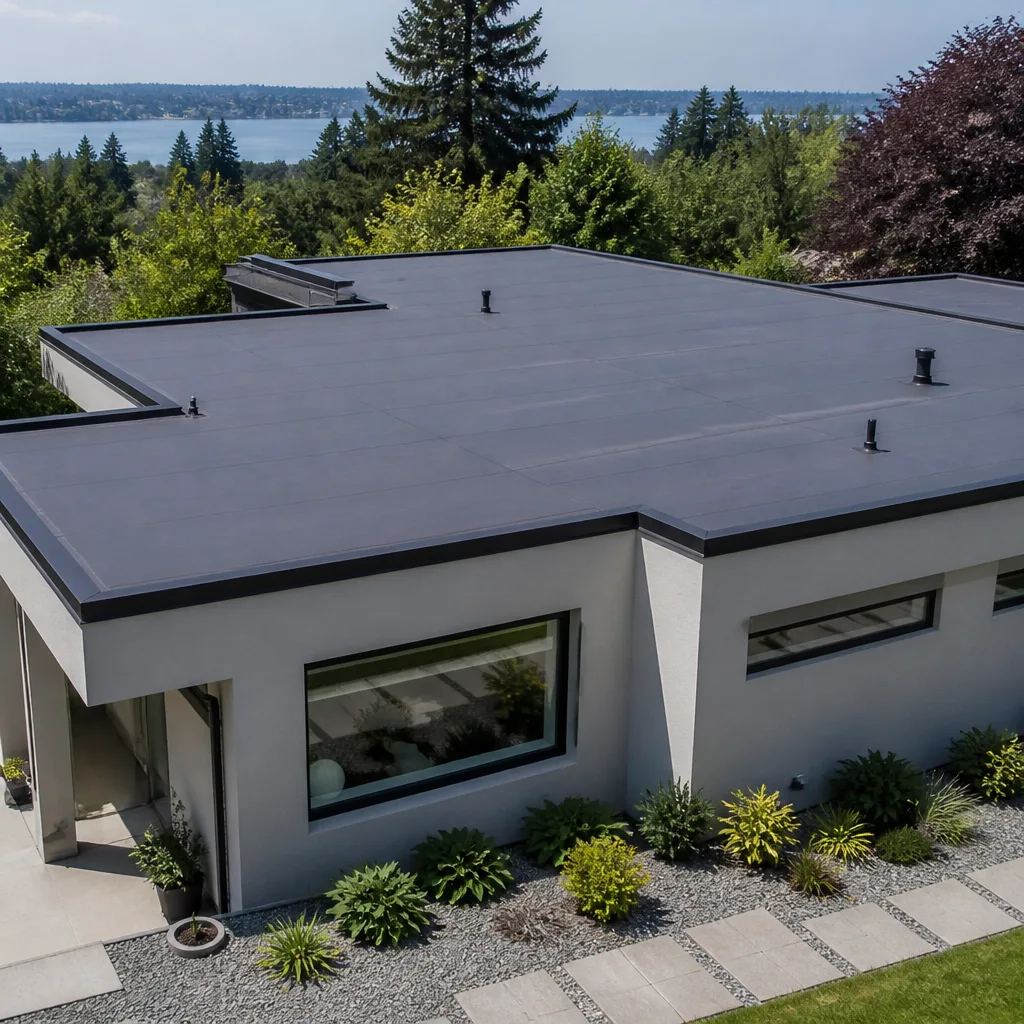 Flat & low-slope
Free roof inspection with deck photos before we talk money - GAF and Owens Corning certified installation
How to Hire a Roofing Contractor in Garden Grove: A Step-by-Step Guide
California’s Contractors State License Board lists more than 40,000 active roofing licenses across the state. A license proves someone passed a test. It does not prove they’ve ever pulled a permit at the Orange County Building Department, scheduled an in-person inspection in Garden Grove, or navigated an HOA approval process in a neighborhood like West Garden Grove. This guide walks through the entire hiring process step by step, from verifying credentials to reading a written estimate line by line, so you can separate the contractors who actually know Garden Grove from the ones who just carry a card. For Roof Repair Maintenance Checklist for Garden Grove Homeowners, see our related resource.
Quick Answer
To hire a roofing contractor in Garden Grove, start by verifying their CSLB license and C-39 classification, check for complaints, and confirm they carry workers’ compensation and general liability insurance. Then get written estimates from at least two contractors, ask specific questions about Orange County permit and inspection requirements, review the estimate line by line, and confirm they will register your manufacturer warranty after installation. If you want a professional assessment before committing to any repairs or replacement, schedule a roof inspection as a standalone service, not as a sales pitch.
Styles & brands we work with
Table of Contents
- Step 1: Verify the CSLB License and C-39 Classification
- Step 2: Check Complaint History and Insurance Coverage
- Step 3: Ask Questions That Reveal Orange County Permit Knowledge
- Step 4: Read the Written Estimate Line by Line
- Step 5: Understand Brand-Locked vs. Brand-Agnostic Contractors
- Step 6: Confirm Warranty Registration and Material Matching
- Step 7: Recognize Southern California Roofing Red Flags
Step 1: Verify the CSLB License and C-39 Classification
Every legitimate roofing contractor in Garden Grove carries a California state contractor license with a C-39 roofing classification. This is the first filter, and it’s non-negotiable. The C-39 classification covers roofing and waterproofing work specifically, and it’s the only classification that authorizes a contractor to perform residential roof installation and repair in California.
Here’s how to verify a license in under five minutes:
- Go to the CSLB website at cslb.ca.gov and click “Check a License.”
- Enter the contractor’s name or license number.
- Confirm the license status says “Active” and the classification includes C-39.
- Check the business name on the license matches the name on the estimate or contract.
- Note the license expiration date and confirm it extends beyond your project timeline.
In Garden Grove specifically, we recommend verifying the license before you even schedule an estimate. The city sits in Orange County’s building jurisdiction, and the county’s inspectors will not sign off on work performed by an unlicensed contractor. That means if you hire someone without a C-39, you absorb the risk, and the county can require corrections that a licensed contractor would have avoided in the first place.
One nuance most homeowners miss: a general building contractor with a B classification is not automatically authorized to perform roofing work. Roofing requires the C-39. If a contractor tells you their B license “covers roofs,” they’re either misinformed or hoping you don’t check. The CSLB website makes verification straightforward, and any contractor who hesitates when you ask for their license number is a red flag you should not ignore.
Step 2: Check Complaint History and Insurance Coverage
After you confirm the C-39 classification, the next step is checking how that contractor has performed on past jobs in Orange County. The CSLB maintains a complaint disclosure system that tells you whether the board has received complaints about the license and whether those complaints resulted in legal action.
On the same license detail page, look for the “Board Action” and “Complaint Disclosure” sections. A clean record doesn’t guarantee a perfect job, but multiple unresolved complaints are a reliable signal to walk away. Keep in mind that some complaints are resolved through mediation or arbitration, and a single complaint from years ago shouldn’t automatically disqualify a contractor. Look for patterns: repeated complaints about incomplete work, permit issues, or failure to honor warranty terms suggest systemic problems.
Insurance coverage is equally important and equally easy to verify. Ask the contractor for a certificate of insurance and confirm two specific coverages:
- General liability insurance: Protects your home if the contractor damages your property during the project.
- Workers’ compensation insurance: Protects you from liability if a worker is injured on your roof. In California, roofing contractors are required to carry workers’ comp even if they have no employees, because California law considers a sole proprietor working on a roof to be an employee for insurance purposes.
In Garden Grove, where homes range from mid-century ranch styles near the 22 freeway to newer tracts off Euclid Street, roof pitch and accessibility vary significantly. Contractors who carry proper insurance factor those risks into their bids, and the certificate of insurance should name you as the certificate holder so you receive updates if the policy lapses or changes during your project.
Step 3: Ask Questions That Reveal Orange County Permit Knowledge
Here’s where Garden Grove homeowners gain real traction. A contractor who knows roofing but not Orange County’s permit process will cost you weeks of delay, potential fines, and possibly a failed inspection. The permit process in Garden Grove runs through the city’s Building Division, and it has specific requirements that differ from neighboring cities.
When you’re interviewing contractors, ask these four questions and listen carefully to the answers:
- “What permits will this project require in Garden Grove, and who pulls them?” A knowledgeable contractor tells you whether your job needs a re-roof permit or a repair permit. Garden Grove requires permits for most re-roofing work, including full replacements and significant repairs. The contractor should pull the permit themselves and factor the fee into the estimate.
- “How does the inspection scheduling work in Garden Grove?” This question separates experienced Orange County crews from out-of-area contractors. Garden Grove’s Building Division requires in-person scheduling for inspections, not online-only booking. A contractor who knows this tells you immediately. One who fumbles the answer hasn’t worked here.
- “What’s the inspection sequence for a reroof in Garden Grove?” A typical residential reroof requires a pre-roof inspection, a mid-roof inspection, and a final inspection. The mid-roof inspection happens after the underlayment and flashing are installed but before shingles go on. Contractors who skip this step fail the final inspection and have to tear off work to correct it.
- “Are there any city-specific roofing requirements I should know about?” Garden Grove enforces California’s Title 24 cool roof requirements for certain re-roof projects. Depending on your roof’s slope and the shingle product you choose, your contractor may need to install a cool roof rated product or document compliance with the building division. A contractor who volunteers this information shows genuine Orange County experience.
These questions work because they’re specific. A contractor who answers with “we handle all the permitting, don’t worry about it” is giving you a smooth answer that hides either ignorance or a plan to skip permits entirely. In Garden Grove, skipped permits get flagged when you sell your home or when the city does a drive-by check on active construction. The risk lands on you, not the contractor.
Step 4: Read the Written Estimate Line by Line
A written estimate is a contract in waiting, and the language inside it determines what you’re actually buying. Most homeowners look at the bottom-line number and ignore the line items. That’s a mistake, because vague line items are where contractors build in flexibility that costs you money later.
Here’s how to evaluate each section of an estimate:
- Materials breakdown: The estimate should name the shingle brand and product line, not just say “architectural shingles.” If it says “30-year shingle” without a brand, you can’t verify what’s going on your roof. A precise estimate names the product: CertainTeed Landmark, GAF Timberline HDZ, Owens Corning Duration, or similar. At Crown Line Roof Repair, we work across seven major shingle brands including GAF, CertainTeed, Owens Corning, IKO, Atlas, Tamko, and Boral, so our estimates specify the exact material selected for your roof’s slope, exposure, and wind requirements.
- Underlayment and flashing: The estimate should specify the underlayment grade and flashing details. In Garden Grove, where we get occasional heavy rain events, a synthetic underlayment rated for high temperature and water resistance matters. If the estimate just says “underlayment,” ask what grade is included.
- “Install per manufacturer specs”: This phrase appears in nearly every estimate, but it commits the contractor to different things depending on what follows. It should specify: the manufacturer’s installation guide version, fastener schedule, ventilation requirements, and the specific warranty the manufacturer provides when the roof is installed to spec. Without those details, “per manufacturer specs” means whatever the crew decides on install day.
- Tear-off and disposal: The estimate should list the cost of removing the old roof, hauling it away, and any dumpster or debris fees. In Garden Grove, where many homes have limited street parking and narrow access points, disposal logistics vary by neighborhood. A line item for “disposal included” is better than “disposal as needed,” which leaves the fee open-ended.
- Exclusions: Look for what’s not included. Some estimates exclude decking replacement, gutter repair, or dry rot correction. In Garden Grove’s older homes, built in the 1950s and 60s, decking damage under the shingles is common, and a contractor who excludes it from the base price will add it as a change order once the tear-off reveals the damage. That’s not inherently wrong, but it should be disclosed up front with a per-sheet price so you’re not surprised mid-project.
Read the estimate carefully and ask for clarification on any vague line. A contractor who resists clarifying line items is signaling how change orders will go once work starts.
Step 5: Understand Brand-Locked vs. Brand-Agnostic Contractors
Many roofing contractors in Southern California are certified installers for one specific manufacturer. They push that brand exclusively, and their recommendations are shaped by their certification agreement, not necessarily by what your roof needs. A brand-agnostic contractor takes a different approach: they diagnose the roof first, then choose the material, not the other way around.
Here’s why that distinction matters for Garden Grove homeowners:
- Repair matching: If your existing roof has GAF shingles and you need a partial repair, a contractor locked into CertainTeed will either recommend replacing the whole roof or install mismatched shingles that void your warranty and look wrong. A brand-agnostic contractor can match the existing system precisely, preserving the manufacturer warranty and the roof’s appearance.
- Unbiased recommendations: A contractor who works with seven major brands, as we do at Crown Line Roof Repair, can tell you honestly whether a Boral tile roof makes sense for your Spanish-style Garden Grove home or whether a GAF asphalt system is the better value. The recommendation comes from the roof’s requirements, not from a brand quota.
- Warranty flexibility: Different manufacturers offer different warranty structures. CertainTeed’s SureStart and GAF’s Golden Pledge cover different things. A brand-agnostic contractor can walk you through the trade-offs because they’re not defending a single brand’s warranty as the only option.
Ask your contractor which manufacturers they’re certified to work with. If the answer is one brand, understand that every recommendation you receive is filtered through that lens. If the answer is multiple brands, ask how they decide which material fits a given roof. The answer reveals whether they diagnose first or pitch first.
Step 6: Confirm Warranty Registration and Material Matching
Manufacturer warranties on roofing materials only activate when the contractor registers the installation with the manufacturer. This is a step many homeowners don’t know exists, and it’s one of the most common gaps in the Southern California roofing market. A contractor who fails to register your warranty leaves you with a 50-year shingle promise that officially doesn’t exist.
Here’s what to confirm in writing before work begins:
- Warranty registration timeline: The contractor should register the warranty with the manufacturer within 30 days of project completion and provide you with a written confirmation or registration number. If they can’t commit to that, the warranty is at risk.
- Material matching on partial repairs: If you’re repairing part of a roof rather than replacing it entirely, the contractor needs to match the existing shingle product line and color profile. Mismatched shingles void the manufacturer’s warranty on the remaining original roof and create an aesthetic problem that’s visible from the street. A contractor fluent across multiple brands can source matching materials for Boral, GAF, CertainTeed, Owens Corning, and others without steering you toward a replacement you don’t need.
- Workmanship warranty separate from manufacturer warranty: The manufacturer covers the materials. The contractor covers the labor. Ask what workmanship warranty the contractor provides, get it in writing, and confirm what it covers: leaks, flashing failures, installation errors. A typical workmanship warranty runs five to ten years from a reputable contractor, but the term should be specific, not vague.
At Crown Line Roof Repair, our repair-first identity means we work with your roof’s existing materials, not against them. When a partial repair makes sense, we match the shingle system precisely so your manufacturer warranty stays intact and the repair blends with the existing roof. When replacement is the honest recommendation, we document why the numbers justify it and present the material options without brand pressure.
Step 7: Recognize Southern California Roofing Red Flags
Southern California has a roof market unlike most of the country. We get minimal rain, which means roofs last longer but also hide problems longer. Storm season brings wind damage and occasional hail. And the region attracts out-of-state storm-chaser crews who follow weather events looking for quick insurance claim work. Here are the red flags specific to hiring a roofing contractor in Garden Grove:
- Out-of-state plates and no local address: A contractor who shows up after a windstorm with Texas or Arizona plates and no Orange County office is a storm chaser. They work fast, take insurance checks, and leave before leaks show up. Verify a local address and ask how long they’ve worked in Garden Grove.
- Improper tear-off disposal: Roof tear-off generates significant debris. A legitimate contractor includes disposal in the estimate and uses proper haul-away equipment. A contractor who says “we’ll take care of the debris” without a disposal line item often plans to dump it illegally, which leaves you responsible if the city traces the waste back to your property.
- Warranty registration gaps: As covered above, a contractor who can’t explain their warranty registration process is likely skipping it. Ask for the registration confirmation before you pay the final invoice.
- Lowball bids designed to win the job: A bid that comes in 30% or more below the other estimates is not a bargain. It’s a contractor planning to cut corners on underlayment, flashing, or ventilation, or planning to add change orders once work starts. Ask the low-bid contractor to explain exactly what’s included that the other bids didn’t include. The answer is usually revealing.
- Pressure to sign same-day: A contractor who insists you sign the contract before they leave the estimate is working a sales script, not a roofing diagnosis. A legitimate contractor wants you to read the estimate, verify their license, and make an informed decision. Urgency around signing is a manipulation tactic, not a scheduling necessity.
- No written inspection report: If a contractor comes out, looks at your roof, and gives you a number without a written assessment of what they found, you’re not getting a diagnosis. You’re getting a pitch. A professional roof inspection produces a documented report: photos, measurements, material condition, remaining life estimate, and specific recommendations. You can get that inspection as a standalone service without any obligation to act on it. At Crown Line Roof Repair, our roof inspections give you a professional assessment with no strings attached, separating the diagnosis from the sales conversation.
Common Mistakes to Avoid
- Hiring before verifying the C-39 classification: A general contractor license does not cover roofing work in California. Confirm the C-39 specifically before signing anything. This single oversight leads to failed inspections and rework that costs more than the original project.
- Skipping the permit: Some Garden Grove homeowners try to save money by skipping permits for reroof work. The city’s Building Division catches unpermitted roof work through drive-by inspections and during pre-sale disclosures. The permit cost is small compared to the fines and corrective work a failed inspection triggers.
- Choosing a contractor based only on price: The lowest bid in Garden Grove often comes with the thinnest underlayment, the fastest crew, and no warranty registration. Compare bids line by line, not bottom line to bottom line.
- Ignoring the mid-roof inspection: Orange County requires a mid-roof inspection after underlayment and flashing installation but before shingles go on. Contractors who rush to shingle before the inspection create a failure point that requires tear-off to correct. Confirm the inspection sequence before work starts.
- Paying the full amount up front: California law limits down payments on home improvement contracts to $1,000 or 10% of the total, whichever is less. A contractor asking for more up front is either unaware of the law or ignoring it. Neither is a good sign.
- Not reading the manufacturer’s warranty terms: Many homeowners assume the shingle warranty covers labor and leak repair. It covers only the materials, and only when the contractor registers the warranty and installs to spec. Read the warranty document your contractor provides and ask what’s excluded.
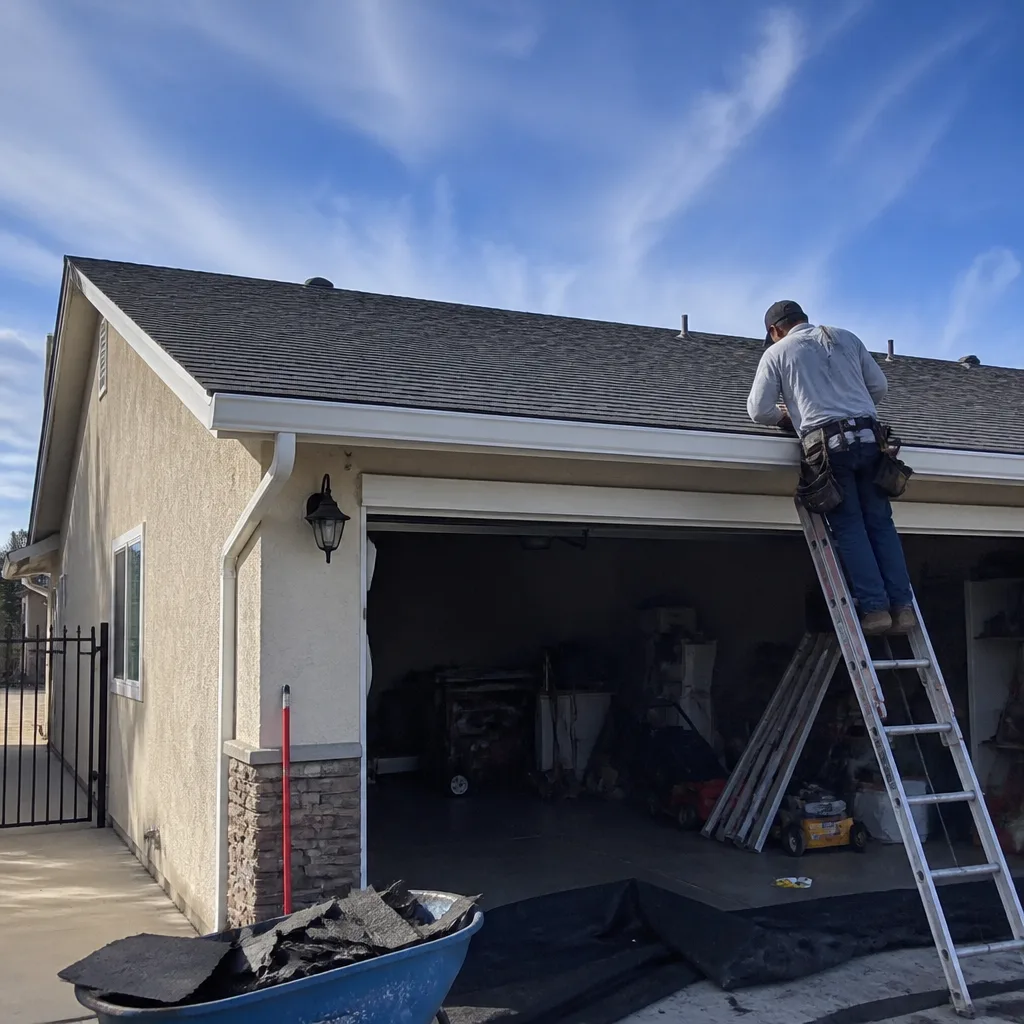
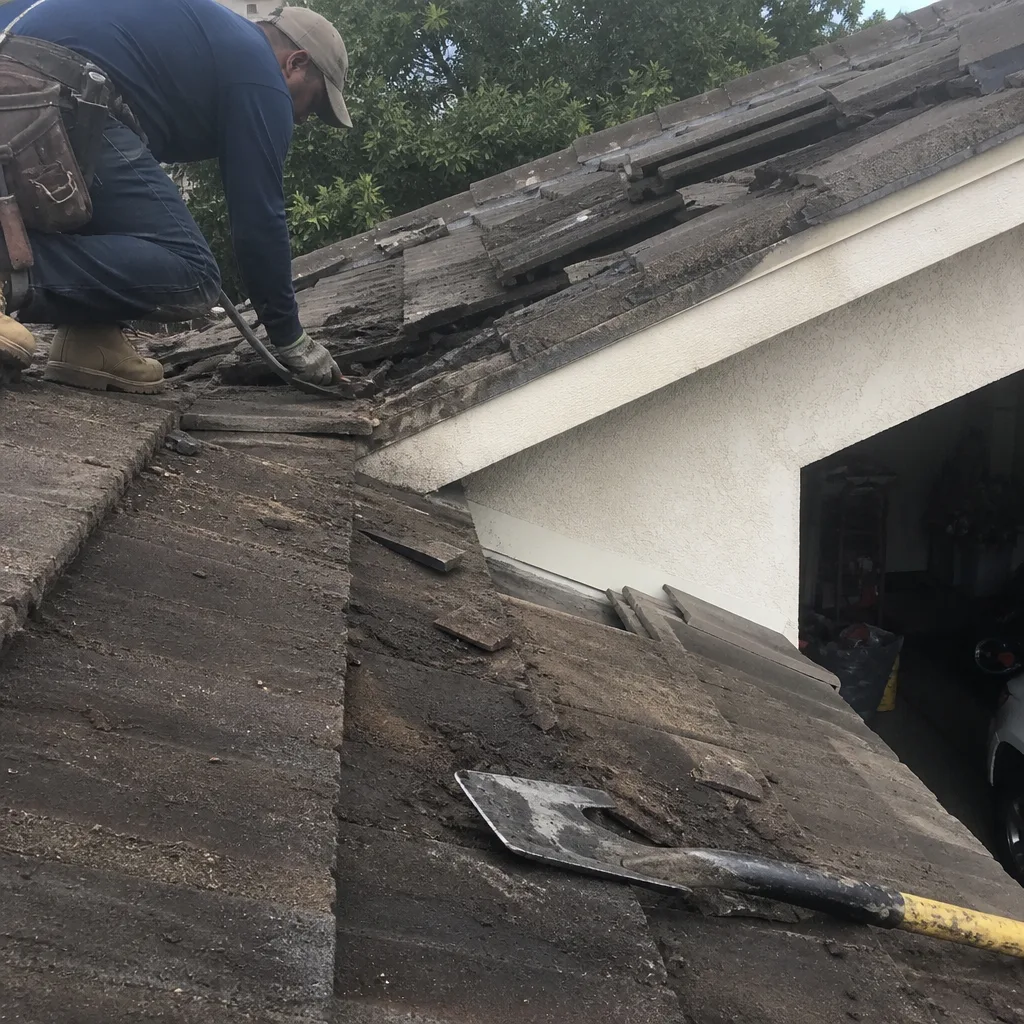
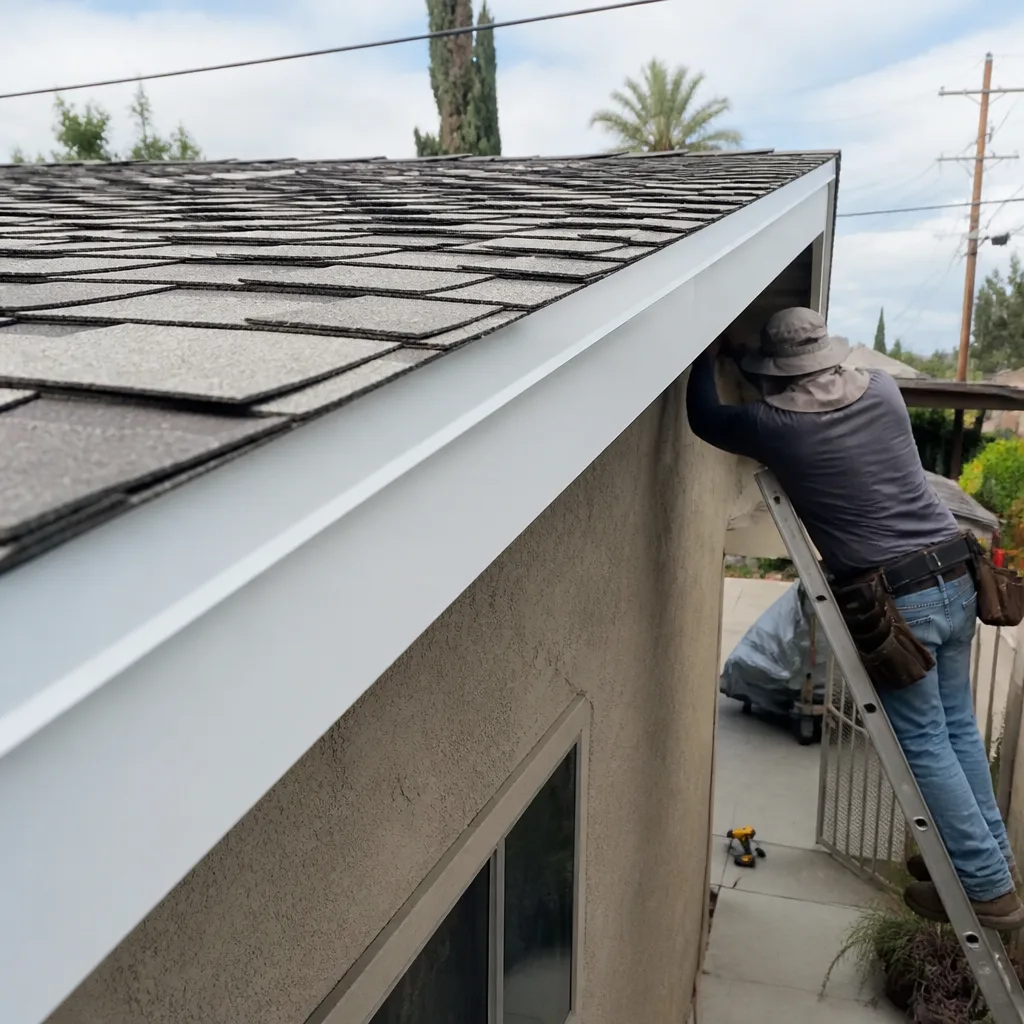
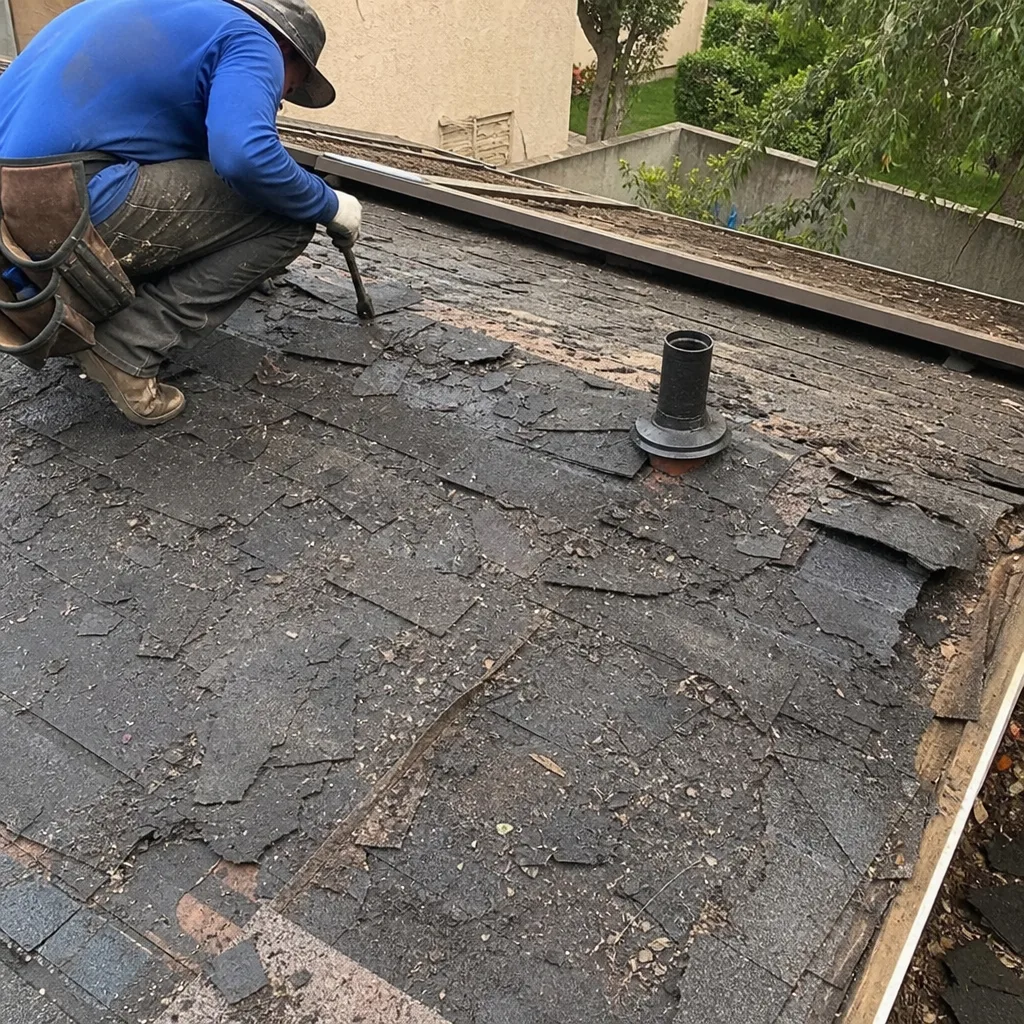
See the difference
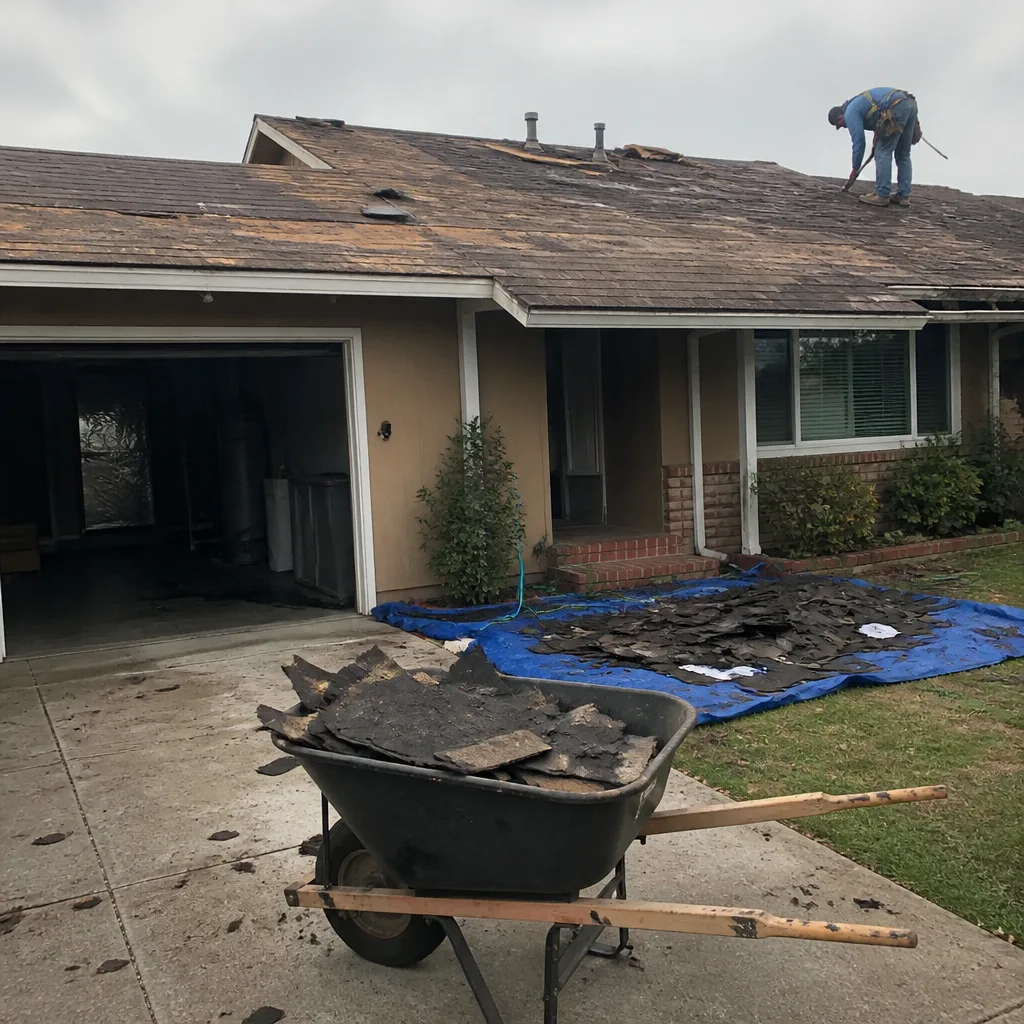 Before
 After
 Before
 After
 Before
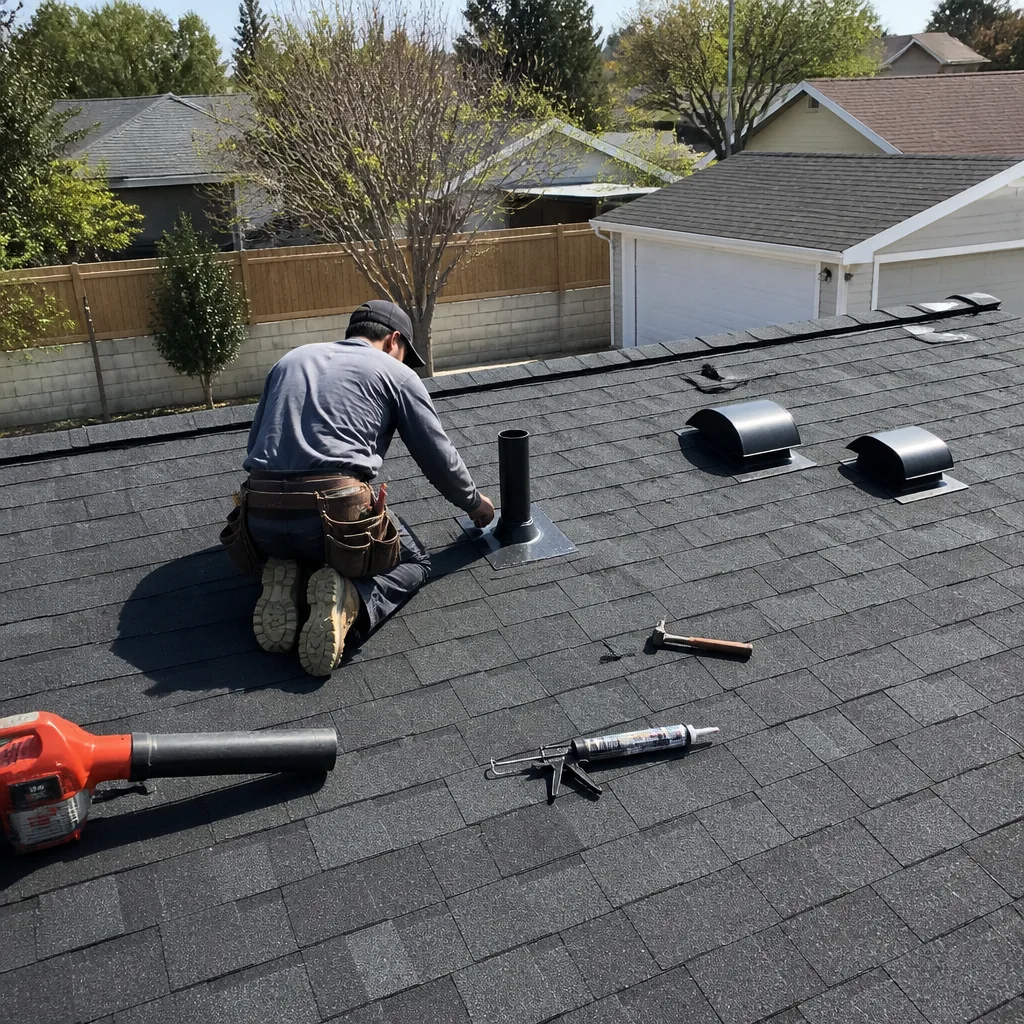 After
When to Call a Professional
Some roof situations are obvious: water stains on your ceiling, missing shingles after a windstorm, granules collecting in your gutters. Others are less obvious but equally urgent. If your Garden Grove roof is over 15 years old and you’ve never had an inspection, the time to schedule one is before the next rain season, not during the first leak. If you see cracked flashing around chimneys or vents, or if you notice sagging areas on the roof plane from the street, have a professional look before the problem spreads to the decking underneath. Roof problems compound fast in Garden Grove’s dry-then-rain climate cycle: small leaks stay small through the dry months and become structural issues during the first heavy rain. Crown Line Roof Repair offers free estimates in Garden Grove. Call (844) 966-3891 to schedule yours, whether you need a repair, a replacement, or just a professional roof inspection with no obligation attached.
Frequently Asked Questions
Visit the Contractors State License Board website at cslb.ca.gov, click “Check a License,” and enter the contractor’s name or license number. Confirm the license status is “Active” and the classification includes C-39, which is the specific roofing classification. Then check the complaint disclosure section on the same page. Call (844) 966-3891 if you’d like help interpreting what you find, or to schedule a free estimate with a licensed Garden Grove roofing contractor.
A full roof replacement in Garden Grove typically runs between $8,000 and $16,000 for a standard asphalt shingle roof on an average single-family home, depending on square footage, tear-off requirements, decking condition, and material grade. Partial repairs cost significantly less. The only way to get an accurate number is a written estimate based on your specific roof’s measurements and condition. Call (844) 966-3891 for an exact quote, estimates are free.
Yes, Garden Grove requires permits for most roof replacement work and significant repairs. The permit runs through the city’s Building Division, and inspections are scheduled in person, not online. A licensed contractor pulls the permit and schedules the inspection sequence, which typically includes a pre-roof, mid-roof, and final inspection. If a contractor suggests skipping the permit, find another contractor. We pull every required permit for our Garden Grove roofing projects and manage the inspections from first to last.
A standard asphalt shingle roof replacement in Garden Grove takes two to five days from tear-off to final inspection, depending on roof size, pitch, and weather. Tile roofs and second-story work add time. The inspection scheduling with the city can add several days to a week depending on the Building Division’s available inspection slots. A contractor who gives you a firm completion date without factoring in inspection scheduling hasn’t worked in Garden Grove. Call (844) 966-3891 for a realistic timeline based on your specific roof.
That depends on the roof’s condition, and the honest answer requires an inspection. Many Garden Grove roofs with isolated damage, whether from wind, tree debris, or age-related wear in specific areas, can be repaired rather than replaced. Our approach at Crown Line Roof Repair is repair-first: we fix what’s fixable and recommend replacement only when the numbers justify it. As a contractor certified to work with GAF, CertainTeed, Owens Corning, IKO, Atlas, Tamko, and Boral materials, we can match your existing shingle system precisely on partial repairs. Call (844) 966-3891 to schedule an inspection and get an honest recommendation.
Insurance typically covers roof replacement when damage results from a covered event like a windstorm, falling tree, or fire. It typically does not cover replacement due to age or normal wear. The claim process for Garden Grove roofs requires documentation: photos of the damage, a professional inspection report, and an itemized repair estimate. A contractor experienced with Southern California insurance workflows can help you document the claim correctly. Call (844) 966-3891 and we’ll walk through what your policy likely covers and what documentation you’ll need.
The Bottom Line
Hiring a roofing contractor in Garden Grove is a process of verification, not trust. Verify the C-39 license. Check the complaint history. Confirm insurance coverage. Ask the permit questions that reveal Orange County experience. Read the estimate line by line and understand what “per manufacturer specs” actually commits the contractor to. Choose a contractor who diagnoses your roof before pushing a brand, and confirm warranty registration before final payment. The contractors who thrive in Garden Grove are the ones who know the city’s permit process, HOA layers, and inspection requirements as well as they know roofing materials. That combination of local fluency and roofing expertise is what protects your home, your warranty, and your budget. Crown Line Roof Repair home serves Garden Grove with exactly that focus: repair first, honest recommendations, and seven major brands from which to choose the right material for your roof, not for anyone’s quota. If you’re in neighboring Rowland Heights and need a roof repair, or you’re considering a full roof replacement in Rowland Heights, we bring the same diagnostic approach across Orange County. Call (844) 966-3891 for your free estimate, or schedule a standalone roof inspection and get a professional assessment with no strings attached.
Written by the team at Crown Line Roof Repair, serving Garden Grove since 2015. Browse more guides & resources on our blog.