
Last updated October 30, 2026
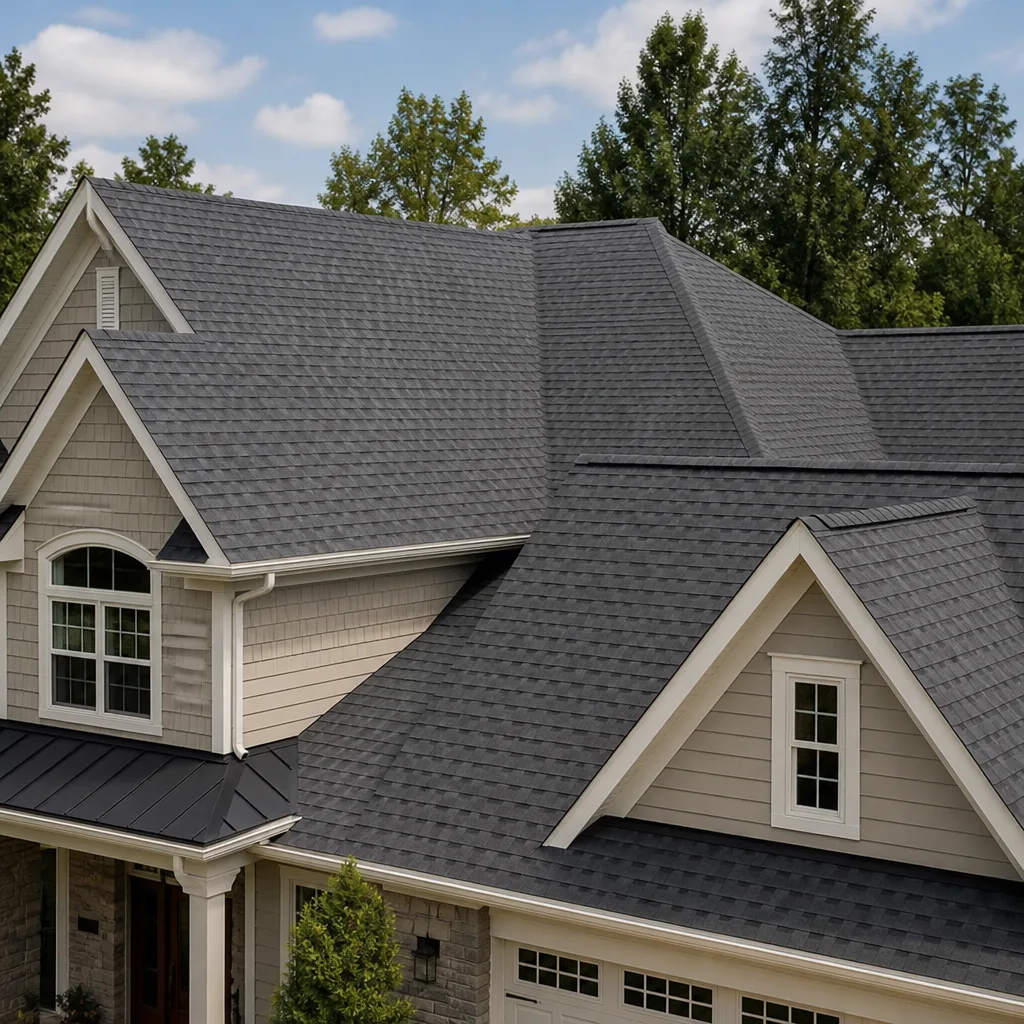 Architectural shingles
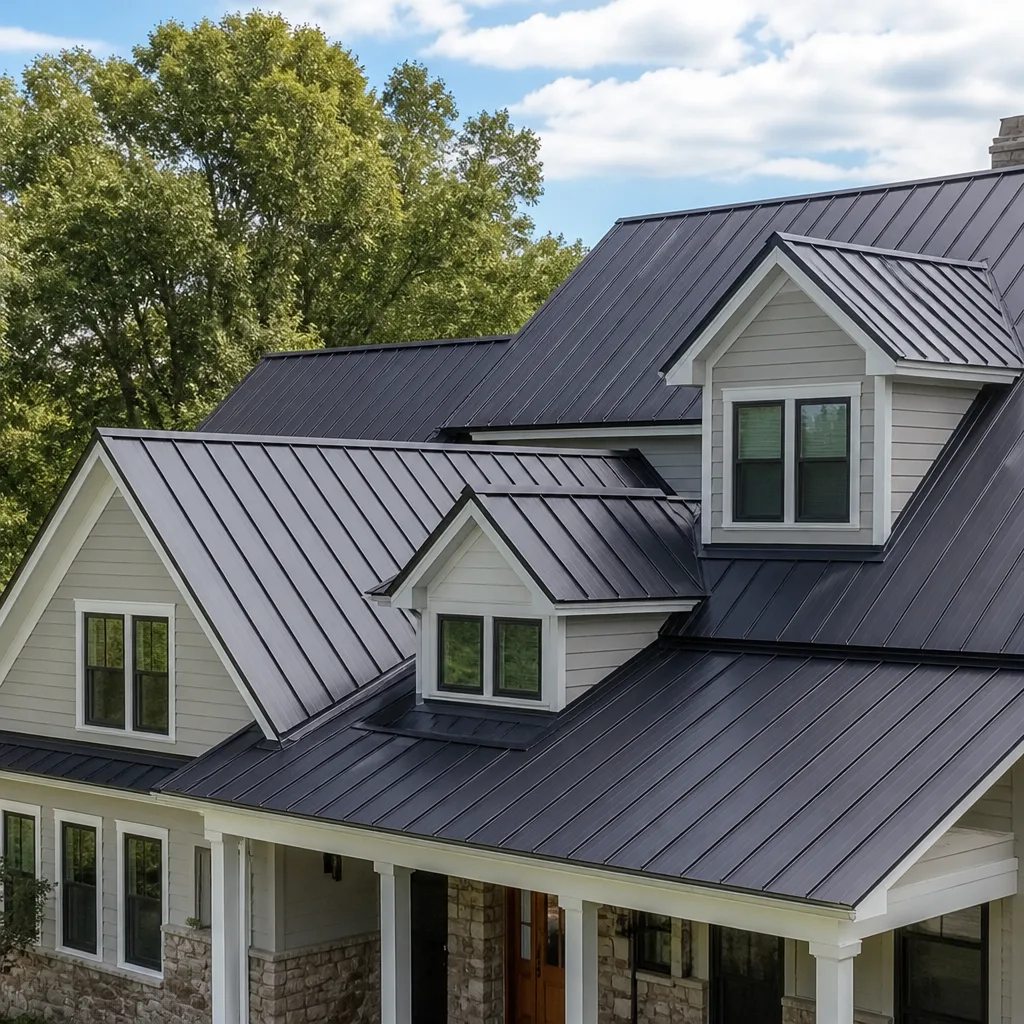 Metal roofing
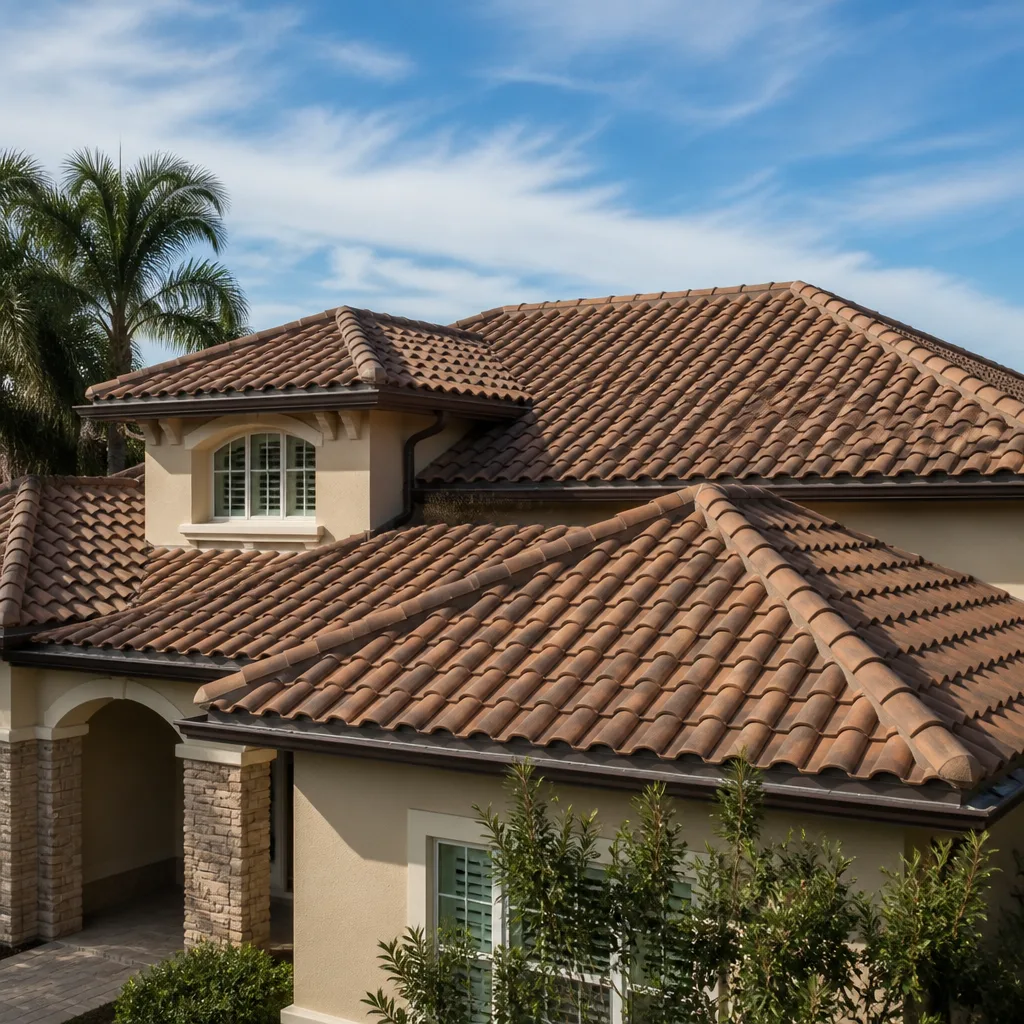 Tile roofing
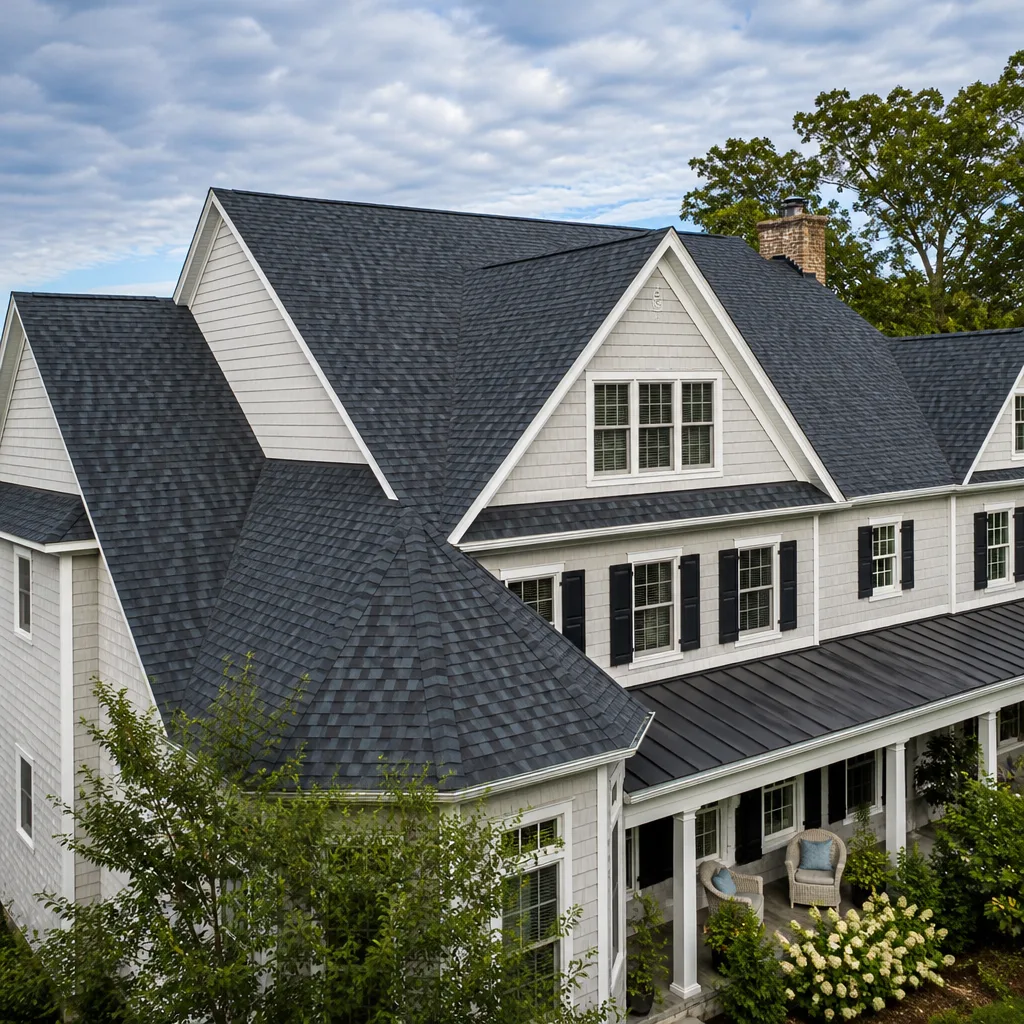 GAF
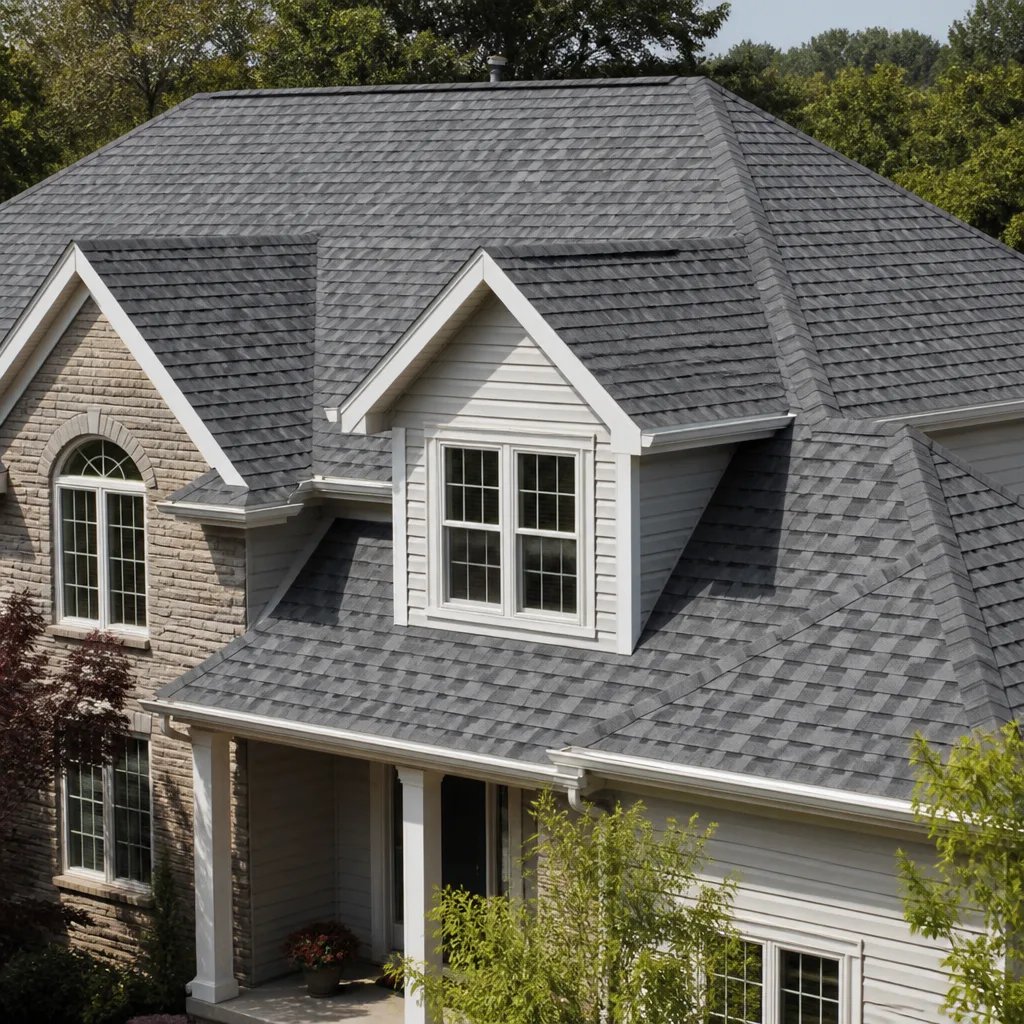 Owens Corning
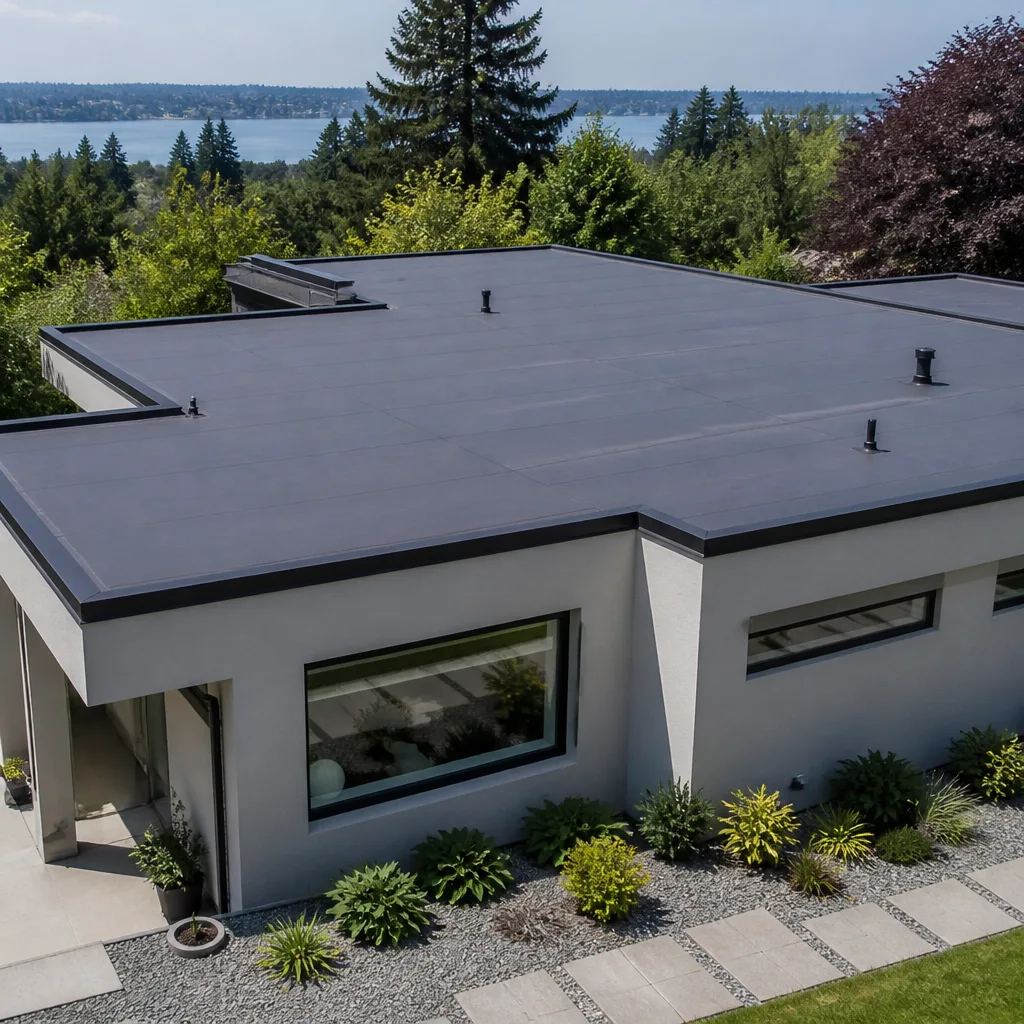 Flat & low-slope
Free roof inspection with deck photos before we talk money - GAF and Owens Corning certified installation
The Complete Roof Repair Guide for Garden Grove Homeowners
Garden Grove gets 13 inches of rain a year, so most roof repair guides written for Seattle or Miami don’t translate here. What actually destroys shingles in this city is the daily marine layer cycling through your attic vents and the six weeks of Santa Ana winds that hit between September and November. This guide maps the specific failure sequence we see repeatedly across Garden Grove’s three dominant housing eras, from 1950s tract homes near Euclid to 1990s stucco builds east of Brookhurst, and complements our DIY vs Professional Roofing: The Garden Grove Homeowner’s Decision Guide. You’ll learn how to diagnose problems in the right order, when a repair makes fiscal sense versus replacement, and what Garden Grove’s code requirements mean for your project.
Styles & brands we work with
Quick Answer
Roof repair in Garden Grove typically costs $350 to $1,400 for the most common issues: ridge cap failures, flashing leaks, and isolated shingle replacement. Most repairs on homes under 2,000 square feet are completed in one day. The most important decision is calling a contractor who will diagnose before quoting, because Garden Grove’s marine layer damage pattern means the visible leak is often not the root cause. Our Roof Repair services are designed around this diagnostic-first approach.
Table of Contents
- Why Garden Grove Weather Damages Roofs Differently
- The Repair Sequence: Address This First
- Material Compatibility by Construction Era
- When Garden Grove Code Requires a Permit
- Documenting Roof Condition for Insurance
- Seven Major Shingle Brands: What You Need to Know
- Common Mistakes to Avoid
- When to Call a Professional
- Frequently Asked Questions
- The Bottom Line
Why Garden Grove Weather Damages Roofs Differently
Coastal marine layer intrusion is the variable that makes Garden Grove roof damage distinct from inland Orange County cities. From May through August, low clouds push inland from Seal Beach and Long Beach Harbors, typically reaching Garden Grove between 10 p.m. and 2 a.m. That moisture saturates roof surfaces while temperatures hover in the upper 50s. By 9 a.m., the cloud deck burns off and surface temperatures climb into the 80s.
That daily cycle creates a specific kind of thermal stress. Shingles expand with heat and contract with cooling moisture. Over ten years, that’s roughly 3,600 expansion-contraction cycles. In a dry climate like Riverside, shingles see fewer than half that many cycles. The result in Garden Grove is what we call “micro-cracking” along shingle edges: hairline fissures that are invisible from the ground but allow water to wick underneath during the next marine layer event.
Granule loss here looks different than in high-sun climates. In Phoenix, granules wear off from UV exposure in a uniform pattern across the entire field. In Garden Grove, granule loss concentrates along the north-facing roof plane and the eaves where marine layer moisture lingers longest. Those areas develop a patchy, mottled appearance while south-facing slopes often retain full granule coverage. This is a key diagnostic clue: patchy granule loss suggests moisture cycling damage, not UV degradation.
Then there’s the Santa Ana season. Between September and November, Garden Grove experiences sustained winds of 20 to 40 mph with gusts occasionally exceeding 60 mph. These winds arrive from the northeast, which means the northeast-facing roof plane takes the brunt. We consistently see wind damage concentrated on the same side of homes across West Grove, Little Saigon, and the neighborhoods north of Garden Grove Park.
Which Shingle Types Handle Garden Grove’s Climate Better
- Architectural shingles (also called dimensional or laminated) outperform 3-tab shingles in Garden Grove’s thermal cycling environment. Their thicker construction and layered design resist the micro-cracking pattern more effectively.
- Algae-resistant shingles are worth considering for heavily shaded homes in older Garden Grove neighborhoods with mature eucalyptus or pine canopies. Marine layer moisture plus tree shade creates conditions where blue-green algae and moss can establish on north-facing slopes.
- Impact-resistant shingles rated Class 3 or Class 4 provide meaningful protection against flying debris during Santa Ana events. Homes near the 22 Freeway corridor or with elevated exposure should consider this upgrade.
- Cool roof shingles with reflective granules help reduce attic temperatures during Garden Grove’s summer heat, but they do not address the marine layer moisture cycling issue. The thermal stress reduction is marginal on cloudy mornings regardless of shingle choice.
The Repair Sequence: Address This First
Santa Ana wind uplift in Garden Grove follows a predictable pattern, and it starts at the roof’s geometric highs. Most homeowners notice a water stain on a bedroom ceiling and assume the leak is directly above. In our experience, the actual point of failure is often 10 to 20 feet away, at the ridge or hip line.
Here is the diagnostic sequence we follow on Garden Grove roofs, and it is the order in which you should evaluate your own:
- Ridge caps first. The ridge is where wind pressure creates lift, especially when Santa Ana winds hit at a 45-degree angle to the roof line. Ridge caps that were mechanically fastened (nailed) are more vulnerable than those installed with adhesive. Look for missing, cracked, or lifted ridge cap shingles before examining anything else.
- Hip lines second. Hip roofs are common on 1970s ranch-style homes in Garden Grove. The hip line catches wind from all directions because it’s the highest continuous elevation change on the roof. Adhesive seal failure along hips is a frequent source of leaks during the first light rain after a Santa Ana event.
- Field shingles third. Only after clearing the ridge and hips should you assess mid-roof damage. Shingles in the field of the roof are less likely to be the initial failure point, but they are often where the damage becomes visible. Once ridge caps lift, wind can get underneath field shingles and fold them back.
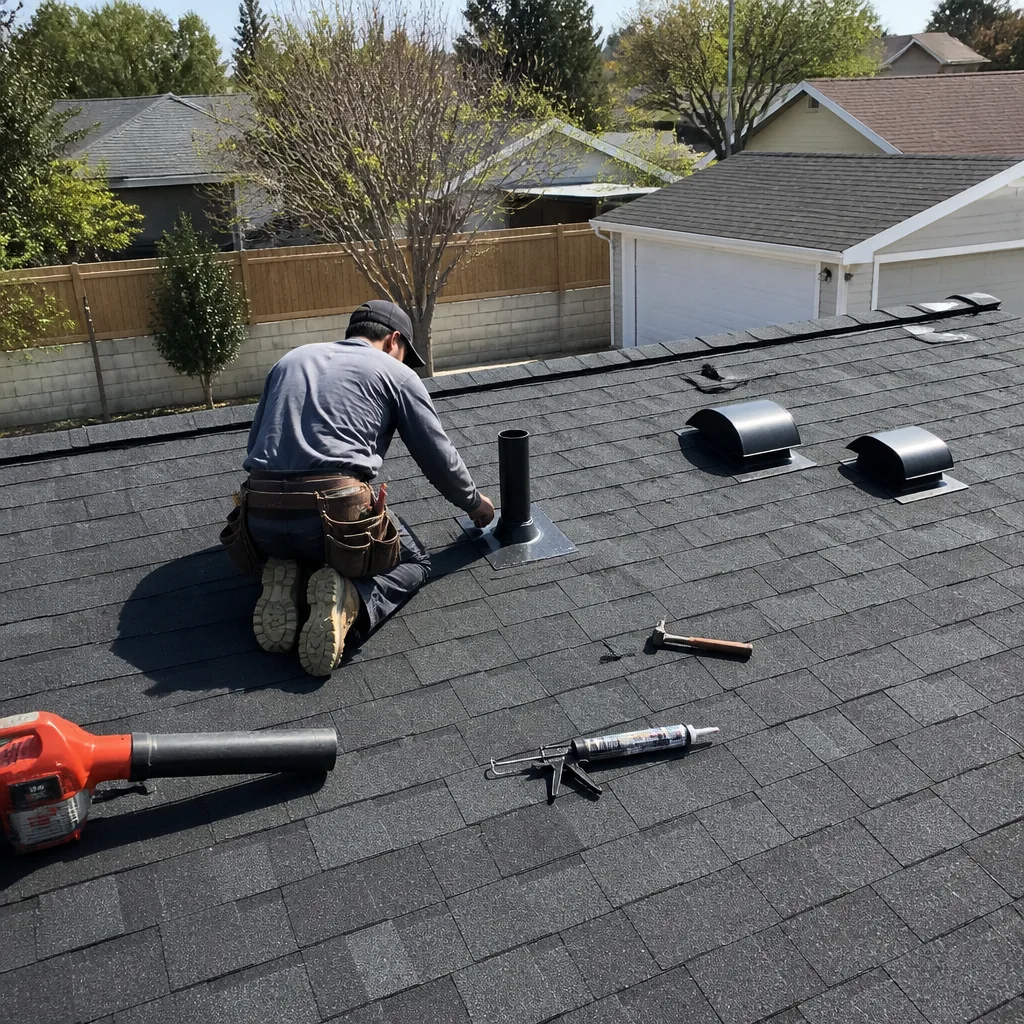
- Flashing and penetrations fourth. Pipe boots, chimneys, skylights, and vent pipes are the least glamorous part of roofing but the most common source of leaks in Garden Grove’s marine layer climate. Rubber pipe boots degrade faster in coastal moisture than in dry heat. Flashing that is caulked rather than properly lapped will fail within five years here.
- Eaves and drip edge last. The eaves are where moisture accumulates and where any backup in the gutter system reveals itself. If your gutters are overloaded or your drip edge has pulled away, water intrusion starts at the bottom edge and works upward under the shingles.
Following this order matters because fixing an issue out of sequence often means the so-called repair highlights a different problem months later. A homeowner who replaces three missing field shingles but leaves a cracked ridge cap will have another leak by winter. Repair first, but repair in the right order.
For homeowners outside Garden Grove who are dealing with similar Santa Ana wind patterns, our Roof Repair in Rowland Heights page covers the same diagnostic approach for that area’s rooflines.
Material Compatibility by Construction Era
Garden Grove developed in three major building waves, and each era has distinct roofing materials and compatibility considerations. Walking a repair on a 1954 ranch versus a 1998 stucco tract home requires different material matching decisions.
1950s Tract Homes (West Garden Grove, near Euclid and Garden Grove Boulevard)
These homes were originally built with wood shake roofing, but most have since been retrofitted with composition shingles. The underlayment on these retrofits is often a single layer of 15-pound felt, which is thinner than what California code requires for new installations today. If you’re repairing a 1950s tract home in Garden Grove, check for:
- Original shake nail holes in the plywood sheathing that create leak paths
- Inadequate attic ventilation from the original design, which accelerates shingle deterioration
- Multiple shingle layers (double-laid) that add weight but conceal underlying decking problems
- Non-matching shingle patches from previous repairs that signal long-term deferred maintenance
For these homes, material matching matters more than manufacturer preference. A repair using an architectural shingle on a roof with 3-tab shingles creates a visible patch and a potential warranty problem. We work with materials from all seven major manufacturers, including Owens Corning and IKO, specifically so the repair matches what’s already on the roof.
1970s Ranch-Style Homes (Central Garden Grove, Stanford and Chapman corridors)
The ranch-era homes in Garden Grove feature shallower roof pitches, typically 3:12 or 4:12, which means water runs off slower and sits on shingles longer after rain. The low pitch also means ridge and hip ventilation is often marginal, which contributes to the marine layer moisture problem.
Repair considerations for 1970s ranch homes:
- Low-slope sections below 3:12 pitch should have membrane underlayment, not standard felt
- Original composition shingles from this era had a 20-year rated life, which many have exceeded by 20 to 30 years
- Attic ventilation systems often lack ridge vents, relying only on static gable vents that are insufficient for moisture cycling
- The wider roof plan means more linear feet of ridge and hip line, which multiplies the Santa Ana vulnerability
1990s Stucco Tract Homes (East Garden Grove, near Brookhurst and Trask)
These homes were built with composition shingles as original equipment and typically feature steeper pitches (5:12 to 7:12) with ridge vents. The roof materials from this era are approaching 30 years of age, which means granule loss is now at a critical stage, especially on north-facing slopes.
When we inspect 1990s roofs in Garden Grove, we look for:
- Blistering caused by moisture trapped between shingle layers during original installation
- Mat deterioration from the original shingles reaching the end of their functional life simultaneously, signaling replacement rather than patch repair
- Ridge vent installation that was never optimized for Garden Grove’s specific wind patterns
- Exposed nails from installation that have worked loose through thermal cycling
If you have a replacement on the horizon, our Roof Replacement in Rowland Heights page explains the material selection process we use for Southern California replacement projects.
When Garden Grove Code Requires a Permit
Garden Grove operates under the California Building Code (CBC) with local amendments adopted by the city. The line between a simple repair and work that triggers a permit requirement catches many homeowners off guard, particularly on larger patch jobs.
Here is the rule of thumb under current code enforcement in Garden Grove:
- Repairs under 100 square feet of roof covering replacement generally do not require a permit. That’s roughly a 10-foot by 10-foot area, or about one square of shingles. Most isolated leak repairs fall under this threshold.
- Repairs covering 100 to 500 square feet may require a permit depending on whether structural sheathing is being replaced. If the decking is sound and only the shingle layer is being swapped, it typically stays classified as a repair.
- Any repair that touches the roof decking (sheathing replacement, structural repair) requires a permit regardless of square footage. Water-damaged OSB or plywood replacement triggers structural review under Garden Grove code.
- Full roof replacements (anything over 500 square feet of roof covering) require a building permit and, for homes in certain historic districts around downtown Garden Grove, may require design review.
The key threshold most Garden Grove homeowners cross unknowingly: if your repair estimate involves replacing more than one square of shingles AND any of the wood underneath, you’re now in permit territory. A contractor who tells you they can skip permits on that scope is putting you at risk with the city and potentially with your insurance company.
We pull permits on every job that requires one. It adds time to the project, but it means the city inspector signs off on the work and the repair is documented. That documentation matters when it’s time to sell the house or file an insurance claim.
Documenting Roof Condition for Insurance
Garden Grove homeowners face a unique insurance landscape. Many properties along the 22 Freeway corridor and in West Garden Grove are increasingly being written through the California FAIR Plan because standard carriers have pulled back from older homes in the area. Whether you have FAIR Plan coverage or a standard HO-3 policy, the documentation you gather before calling a contractor affects your claim outcome.
Step-by-Step Documentation for California FAIR Plan or HO-3 Claims
- Date-stamp everything. Take photos of the damage from ground level with your phone’s date and location feature enabled. FAIR Plan adjusters handle hundreds of Southern California claims and will ask for proof of when the damage occurred. A photo with a time stamp is your strongest evidence.
- Photograph the roof from multiple angles. Walk the perimeter and capture the ridge line, hips, eaves, and any visible damage from at least three directions. Do not climb on the roof. Drone photography from a licensed operator offers better documentation if your roof is too high or damaged to inspect safely from the ground.
- Map the interior damage. Photograph water stains on ceilings or walls before making any repairs. Include a reference item (a coin or ruler) to establish scale. Note the exact date you first noticed the stain.
- Save your roof maintenance history. If you have receipts from a previous repair or an annual inspection report, locate them before filing. Insurance carriers look for evidence of maintenance. A roof that was last inspected in 2018 with documentation of a repair in 2020 is treated differently than a roof with no paper trail.
- Get a professional roof inspection before filing. A standalone Roof Inspection in Rowland Heights gives you a written condition report that is independent of any repair estimate. That document puts you in a stronger negotiating position with the carrier, because it establishes the damage is roof-specific, not the result of deferred maintenance.
One caveat specific to Garden Grove: FAIR Plan policies often carry higher wind and hail deductibles, sometimes 2% to 5% of the dwelling limit. That means a $700 repair might fall below your deductible, making a claim counterproductive. Run the numbers before you involve the insurance company. A claim that pays out $400 after deductible can still raise your premium at renewal.
Seven Major Shingle Brands: What You Need to Know
Crown Line Roof Repair is certified to work with all seven of the industry’s dominant shingle manufacturers: GAF, CertainTeed, Owens Corning, IKO, Atlas, Tamko, and Boral. That breadth matters more in Garden Grove than in cities with uniform housing stock, because different eras and different neighborhoods here have different materials on the roof.
Here is the honest material breakdown we give clients:
- Owens Corning architectural shingles (Duration series) handle thermal cycling well. The SureNail strip is genuinely effective at preventing wind uplift during Santa Ana events. We see fewer lifted shingles on Owens Corning roofs than any other brand when the installation was done correctly.
- IKO architectural shingles offer good value per square and solid performance in Southern California’s climate. The mat construction resists the moisture cycling pattern well, but the color retention on darker shades is less consistent than premium alternatives.
- Atlas shingles with Scotchgard algae protection are a smart choice for Garden Grove homes with heavy tree cover or north-facing exposures that stay damp through the marine layer season. The algae resistance is more than a cosmetic feature when you’re in a moisture-rich microclimate.
- Tamko Heritage architectural shingles are a solid mid-range option, and their laminated construction performs adequately in wind uplift tests. The brand has historically had some batch consistency issues, but current manufacturing is improved.
The material recommendation depends on what’s already on your roof and what the specific failure mode is. If you have a 1998 architectural shingle roof with localized ridge cap failure, the right repair is a matching composite ridge cap, not a field shingle replacement. We work with your roof’s existing materials, not against them. That’s why the repair-first identity matters: the goal is matching what’s there, extending its life, and preserving the manufacturer warranty where it still applies.
If you’re outside Garden Grove in the Rowland Heights area, our Crown Line Roof Repair home page covers our full service area and approach.
Common Mistakes to Avoid
- Caulking over flashing failures. Silicone caulk is a temporary band-aid, not a repair. In Garden Grove’s marine layer environment, caulk degrades against metal flashing edges within 18 to 24 months. The leak comes back, worse, because the caulk blocks the drainage path the flashing was designed to create.
- Replacing shingles but ignoring the ridge caps. The ridge is where wind failure starts on Garden Grove roofs. Patch a field shingle and skip the ridge, and you’ll have a new leak after the next Santa Ana event. Repair in sequence.
- Choosing a repair based on price alone. A $400 repair that doesn’t address the root cause is more expensive than a $900 repair that does. In roofing, the cheap fix is often the one you pay for twice.
- Filing an insurance claim before documenting the damage. If you call the carrier before you have photos, a written inspection report, and your maintenance history assembled, you’re negotiating from a weaker position. Gather evidence first.
- Skipping permits on a repair that needs one. Garden Grove enforcement has tightened in recent years, especially on visible work in front yards. An unpermitted repair can complicate a future home sale and give your insurance company grounds to deny a related claim.
- Waiting until after the first rain to inspect. The best time to catch roof problems in Garden Grove is during the dry season, when a repair can be completed before the next rain event. By the time water is coming through your ceiling, the damage underneath the shingles has been developing for months.
- Assuming all shingle brands are interchangeable. They’re not. Granule colors vary, mat weights differ, and warranty terms are not uniform. A repair that uses a visually similar but structurally different shingle creates a patch that ages differently from the rest of the roof.
When to Call a Professional
If you see water staining on a ceiling or wall, the time to call is before the next rain event gives the leak another chance to spread. If you hear shingles flapping during a Santa Ana wind event, that’s wind uplift in progress and it will only get worse. If you’ve owned your home in Garden Grove for more than 8 years and have never had a professional roof inspection, the marine layer cycling has already taken a toll you can’t see from the ground.
Climbing onto a roof to inspect it yourself is never worth the risk of a fall. Roof surfaces are slippery when the marine layer has wetted them overnight, even if the day looks dry. Roof edges have no guardrails. The fall risk is real and the injury risk is permanent.
Crown Line Roof Repair offers free estimates in Garden Grove. Call (844) 966-3891 to schedule a roof inspection with no strings attached. We’ll tell you what’s wrong, what needs fixing now, and what can wait, whether we do the work or not.
Frequently Asked Questions
Most roof repairs in Garden Grove fall between $350 and $1,400, with ridge cap replacement at the low end and flashing replacement or multiple-area repairs at the high end. A full roof replacement in Garden Grove typically starts around $8,000 for a ranch-style home and climbs based on square footage and material choice. Call (844) 966-3891 for an exact quote on your specific roof. Estimates are free.
Repairs under 100 square feet of roof covering generally do not require a permit in Garden Grove. Repairs that involve replacing roof decking or sheathing require a permit regardless of size. If your repair crosses the 500-square-foot threshold, you’re in full replacement territory and a permit is mandatory. When in doubt, ask the contractor to confirm in writing whether a permit applies to your specific scope of work.
That depends on the cause of the damage and your policy’s deductible. Storm damage from Santa Ana winds is typically covered, while gradual wear from marine layer cycling is classified as maintenance and generally excluded. Check your policy’s wind and hail deductible before filing, especially on a FAIR Plan policy where the deductible can exceed the cost of the repair.
Yes, when the original shingle brand and color are identifiable. We work with materials from all seven major manufacturers, including Owens Corning, IKO, Atlas, and Tamko, so we can source a match that’s correct in weight, color, and installation spec. For very old roofs where the original shingle is discontinued, we’ll identify the closest available match and flag the color difference for you before we install.
Most isolated repairs take one day from tear-off to cleanup, assuming weather cooperates. Repairs that involve structural decking replacement or that trigger a permit may take two to three days to complete including inspection. We schedule around the marine layer and avoid starting tear-off work in the early morning when roof surfaces are still slick from overnight moisture.
Ridge cap wind damage from Santa Ana events is the single most common repair we perform in Garden Grove. Marine layer moisture cycling causes granule loss and micro-cracking concentrated on north-facing slopes, which leads to gradual water intrusion that’s often detected after the first rain of the season. Flashing failures at pipe penetrations and chimney bases round out the top three.
The Bottom Line
Garden Grove’s roof problems follow a pattern. The marine layer attacks granules and flashing through daily moisture cycling. The Santa Ana winds attack ridge caps and hip lines through uplift. The result is a predictable failure sequence: ridge caps first, hips second, field shingles third, flashing and penetrations fourth. If you diagnose in that order, you address the root cause before the symptom. If you repair in the right sequence, you don’t pay twice. And if you want a straight answer about what’s happening up there, call (844) 966-3891 for a free estimate with no obligation attached. Repair first. Replacement only when the numbers justify it. Seven major brands. One honest recommendation.
Written by the team at Crown Line Roof Repair, serving Garden Grove since 2015. Explore more guides & resources on our blog.
See the difference
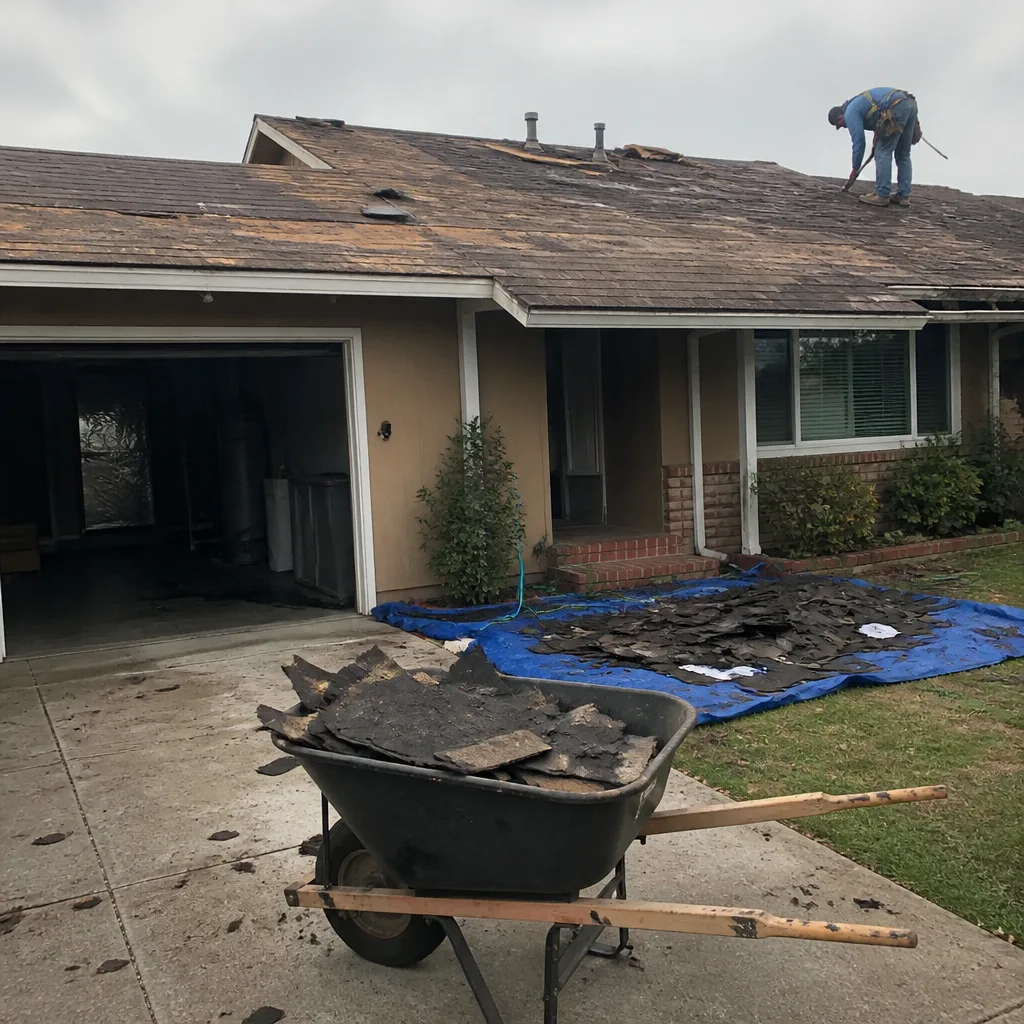 Before
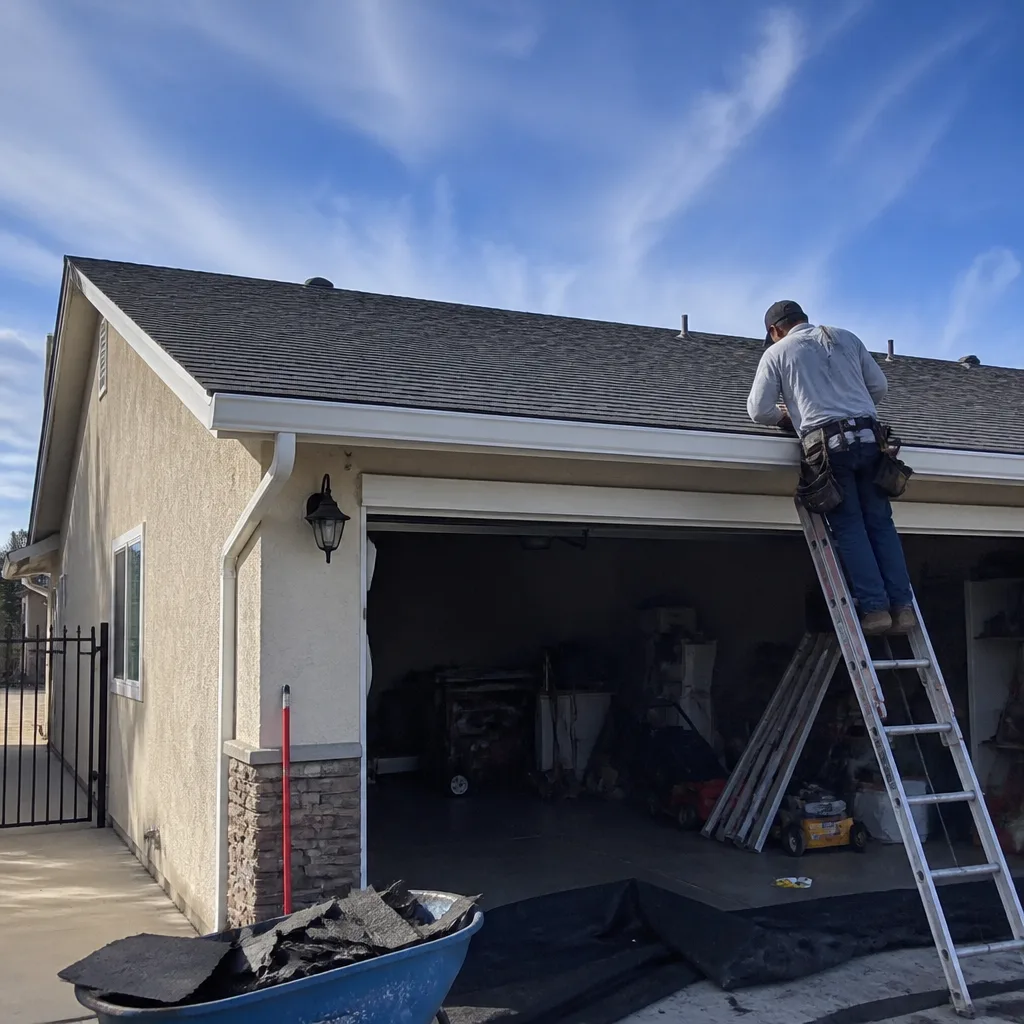 After
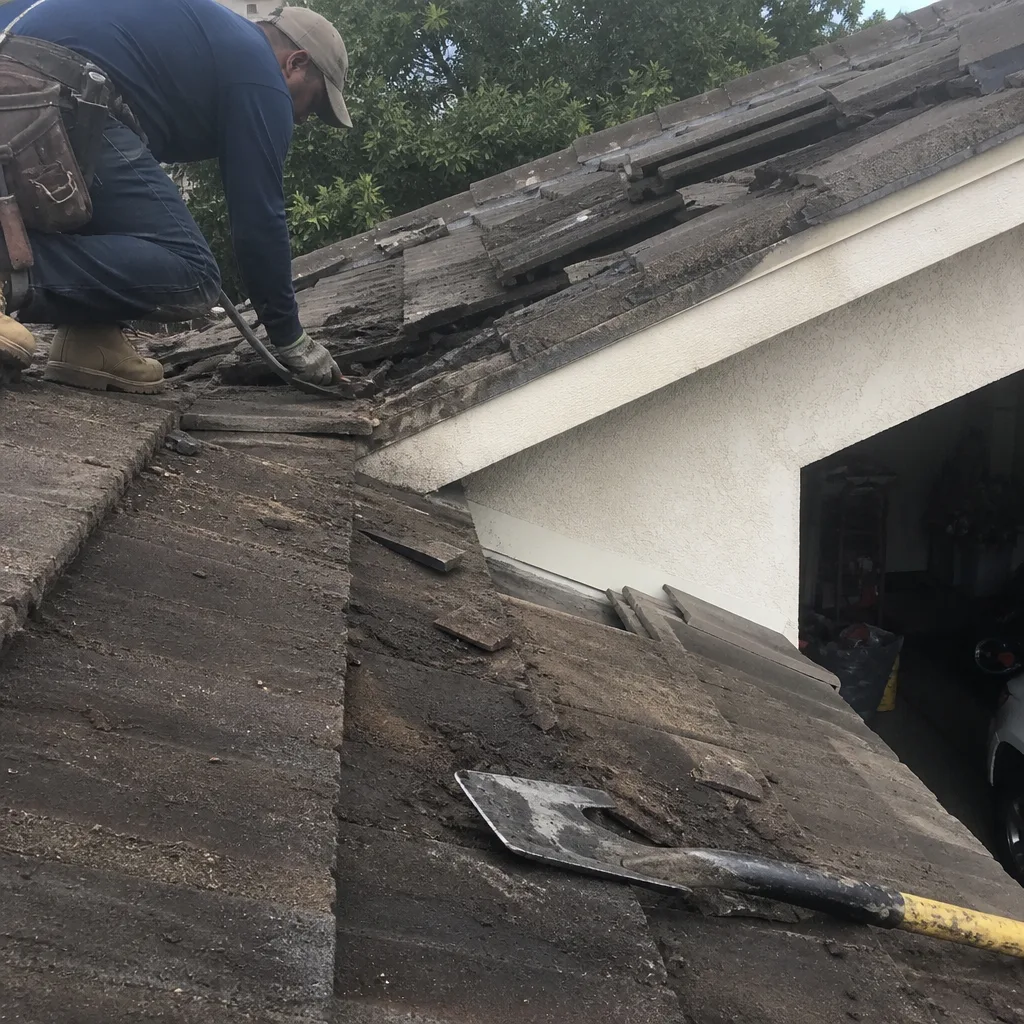 Before
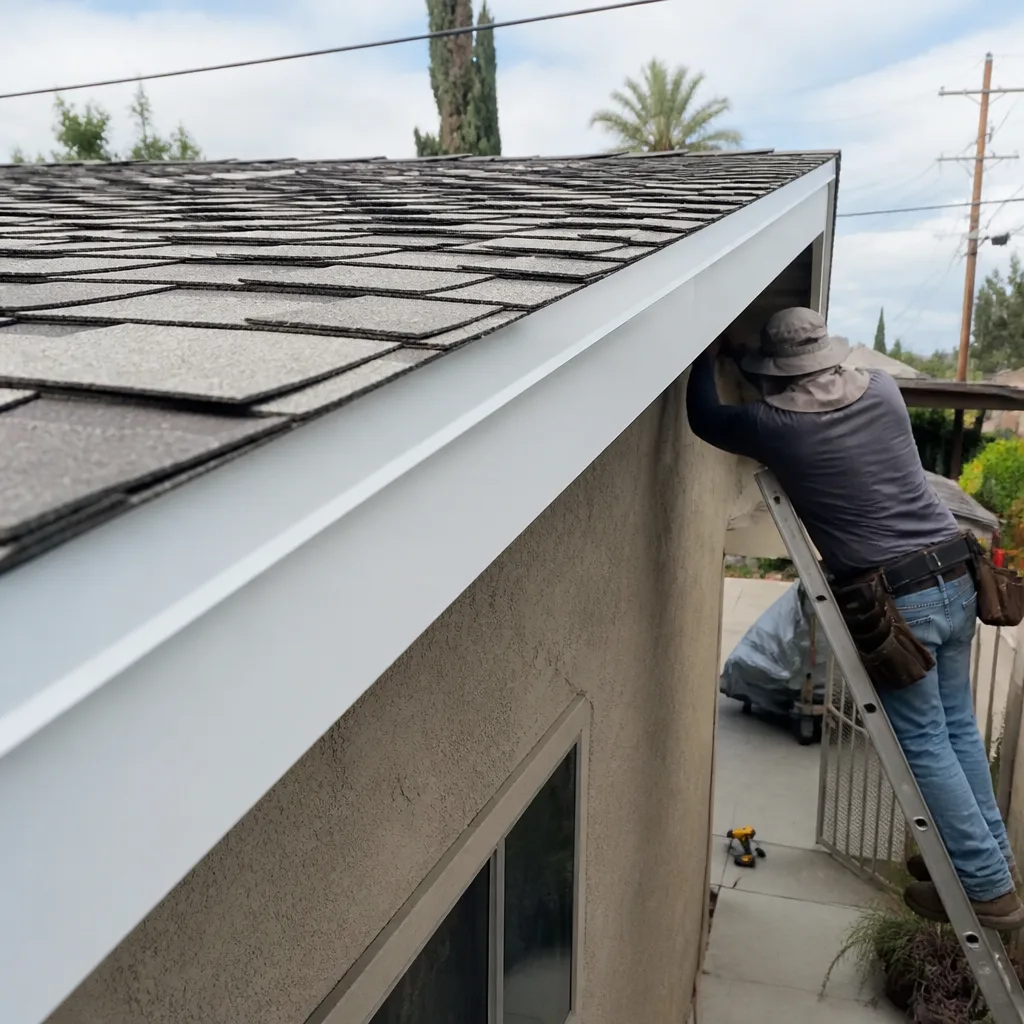 After
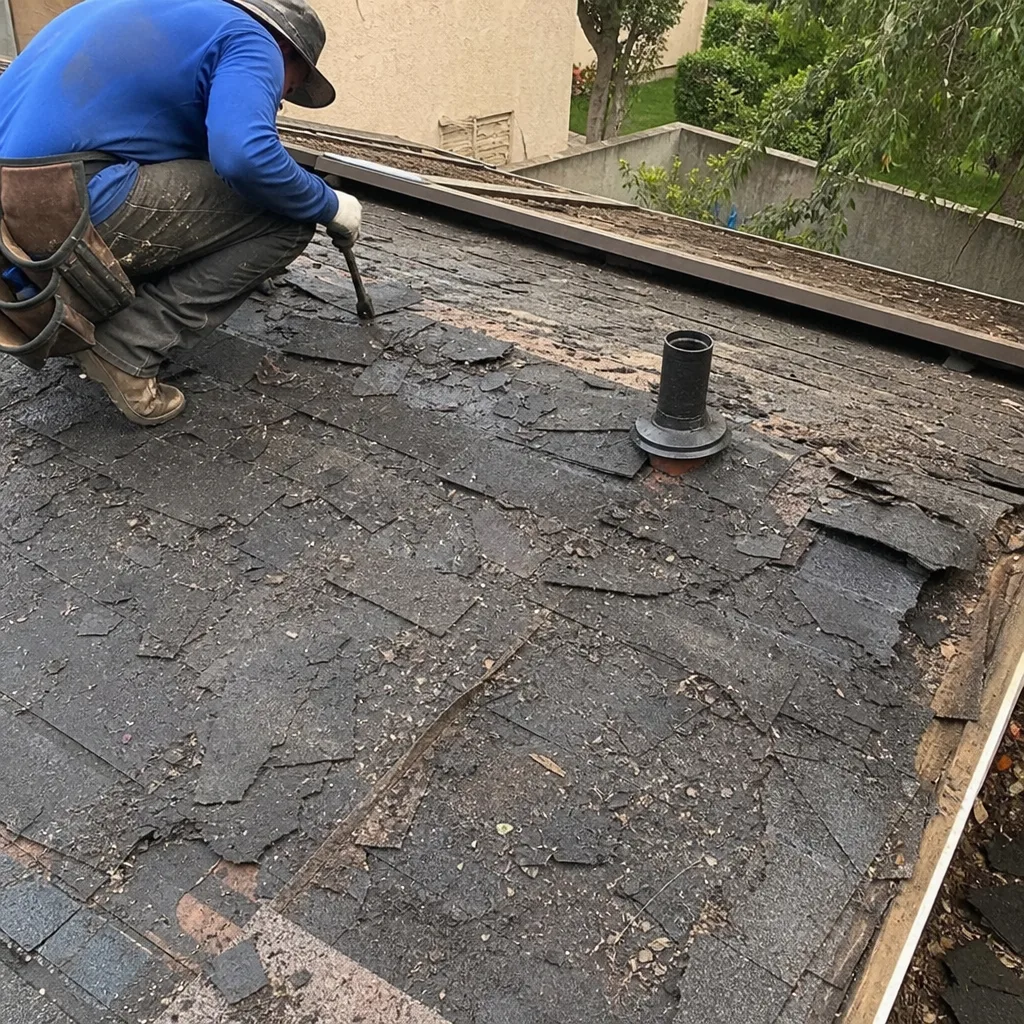 Before
 After