
Last updated October 30, 2026
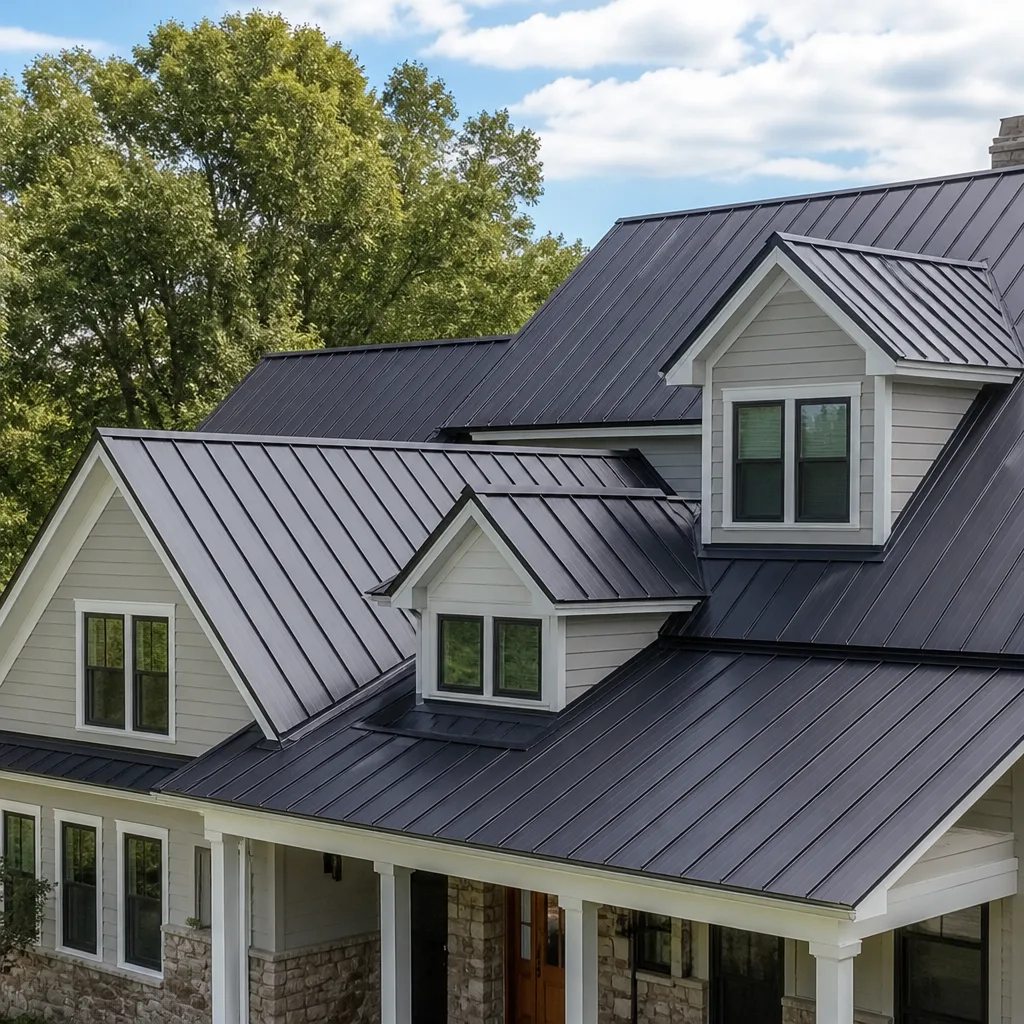 Metal roofing
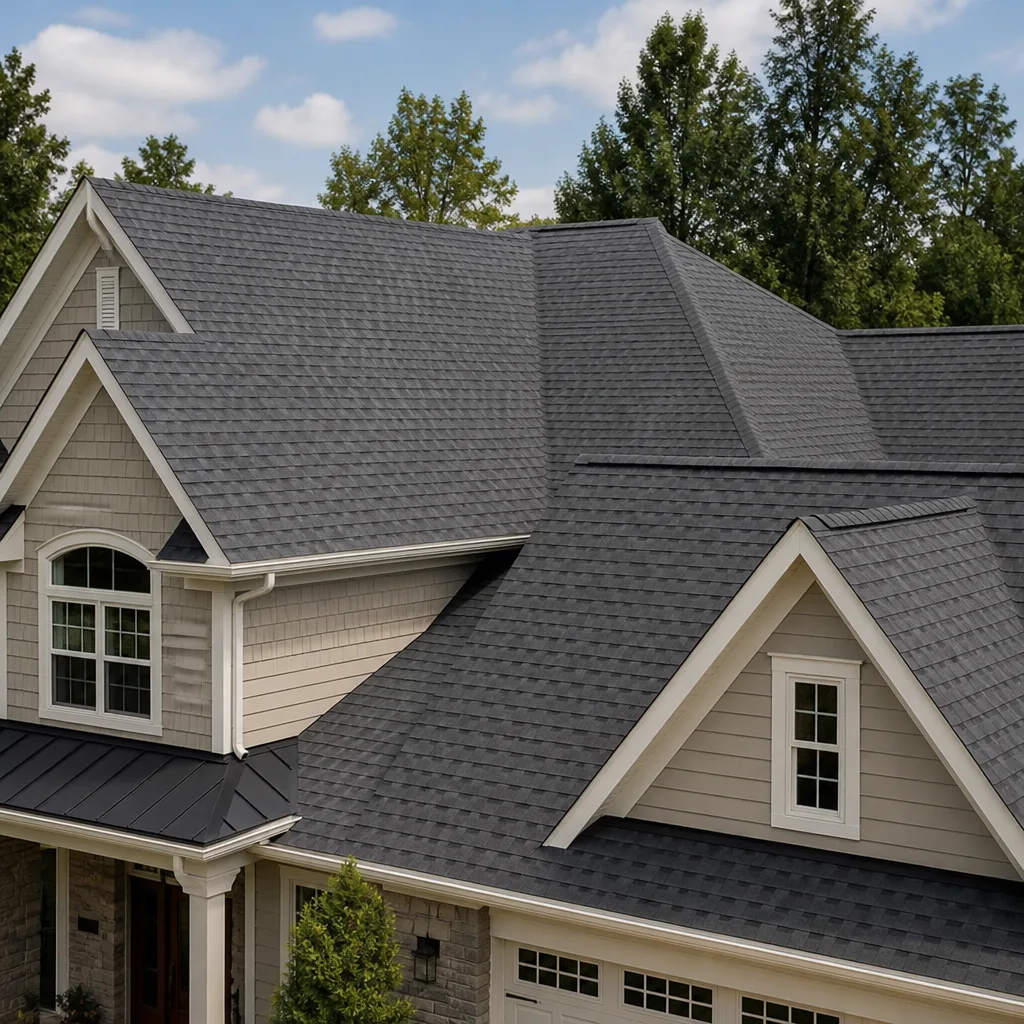 Architectural shingles
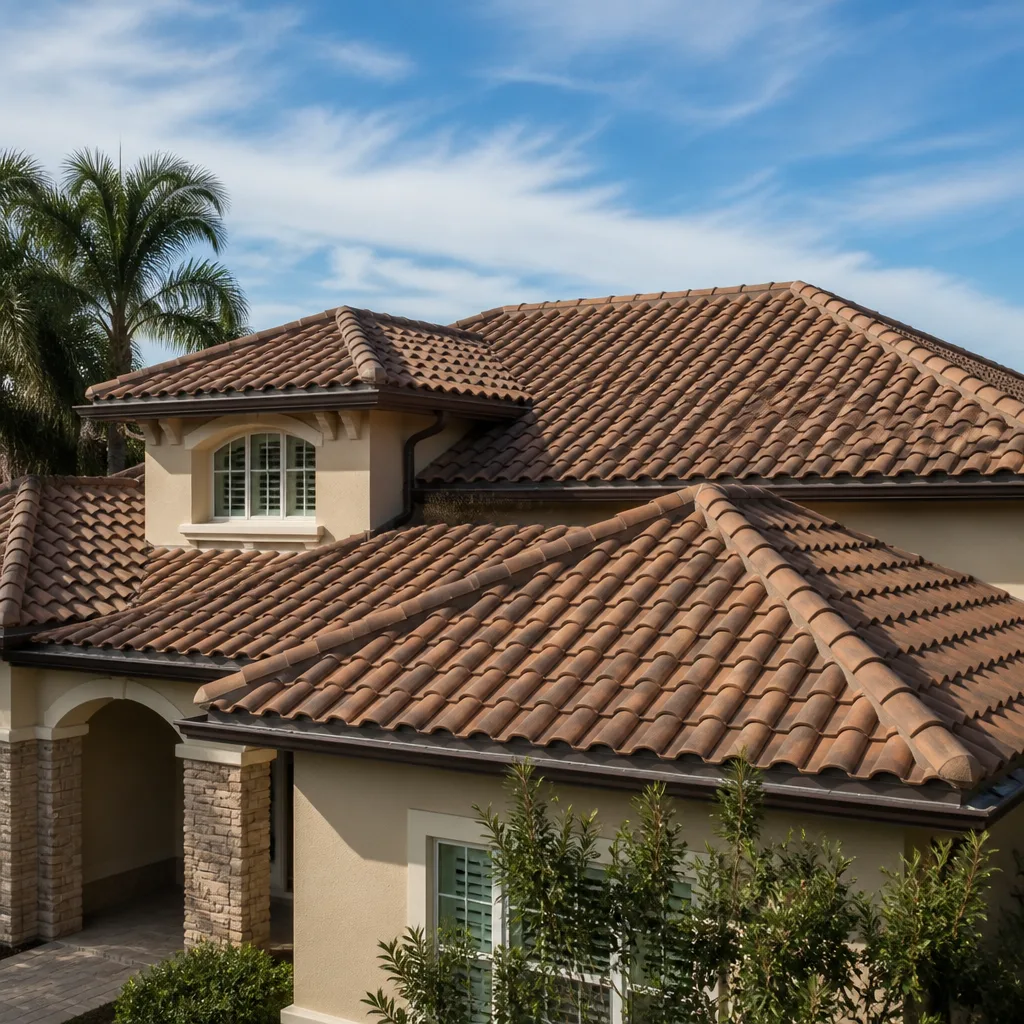 Tile roofing
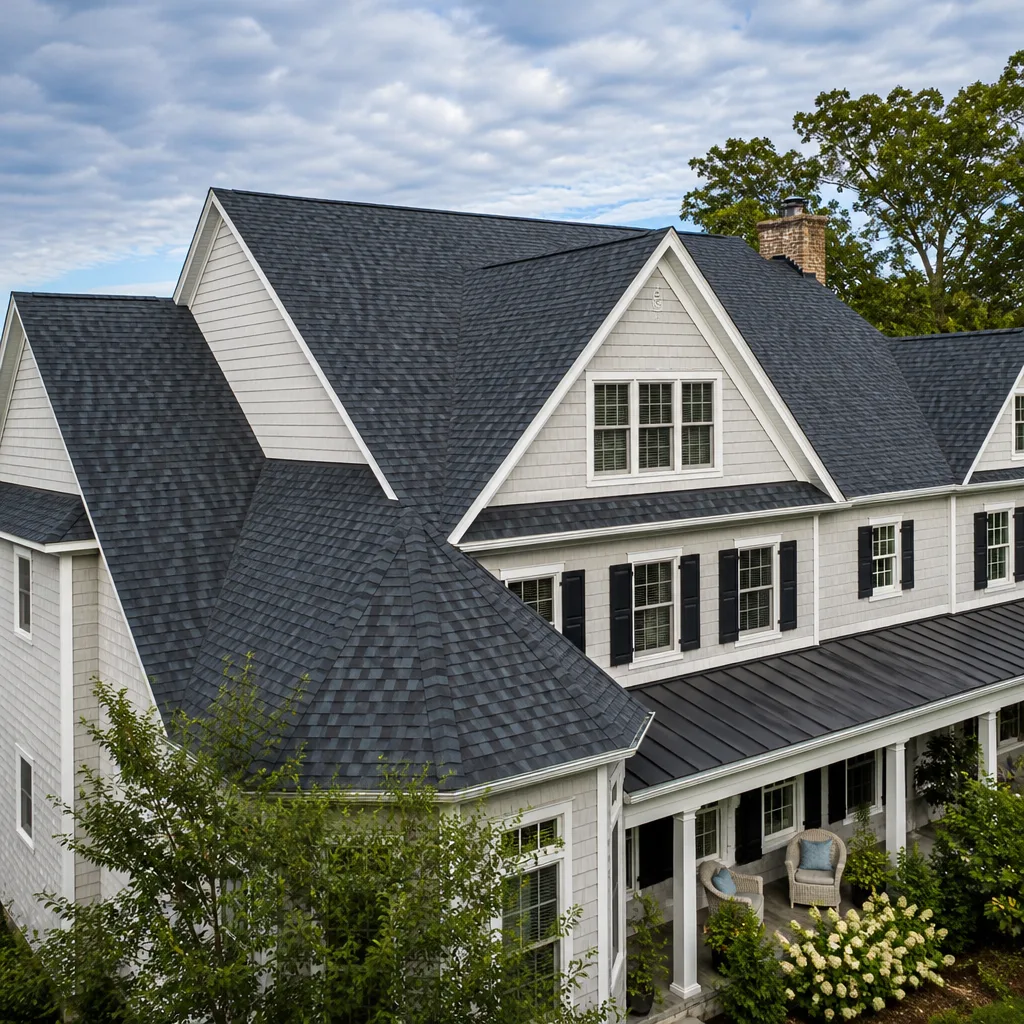 GAF
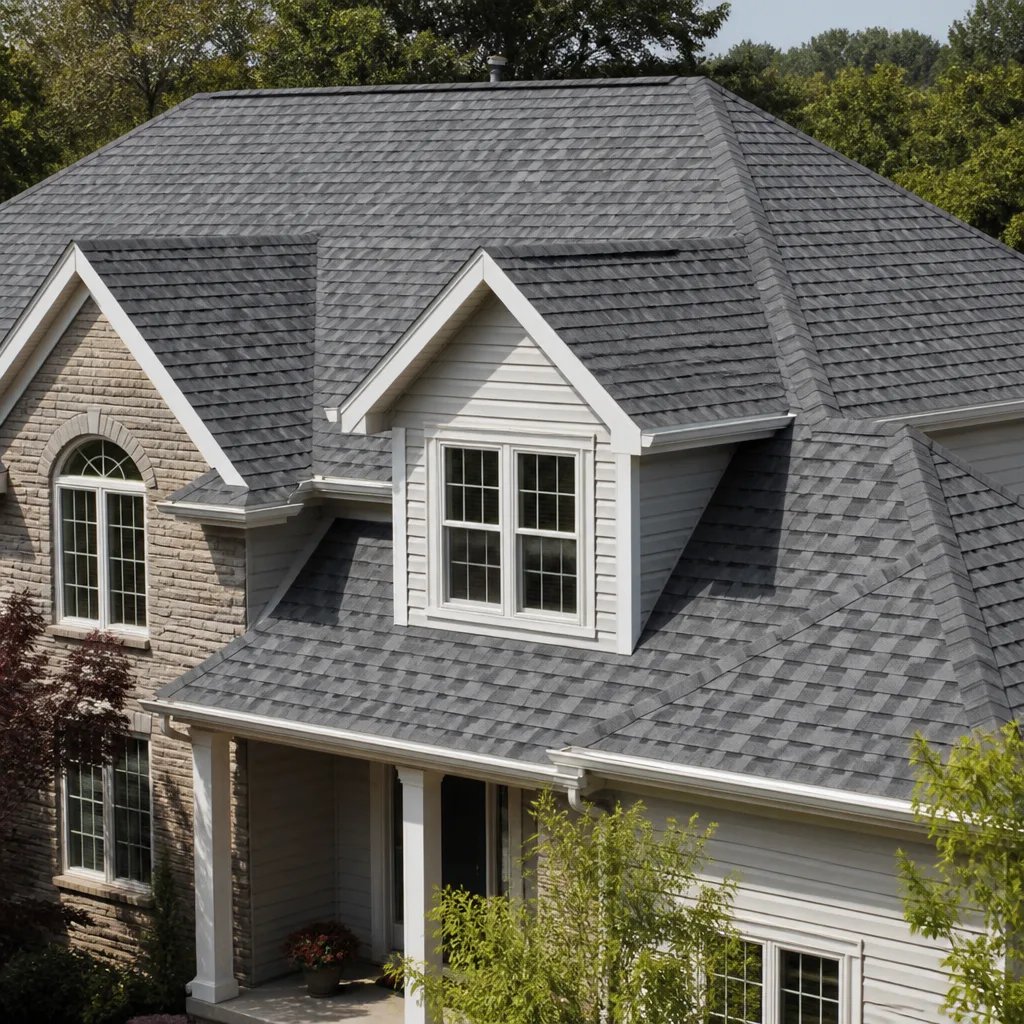 Owens Corning
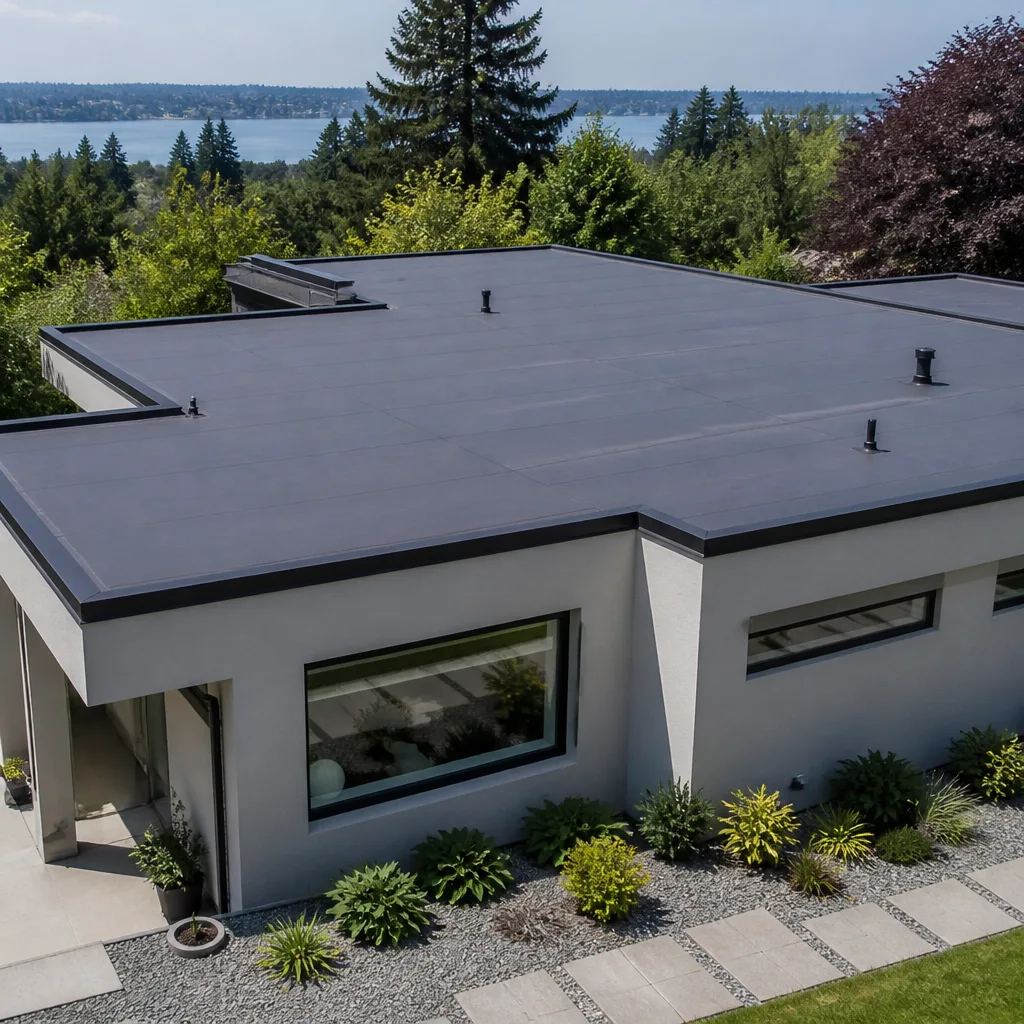 Flat & low-slope
Free roof inspection with deck photos before we talk money - GAF and Owens Corning certified installation
Roofing Permits, Codes & Inspections in CA: What You Need to Know
In California, replacing more than 50% of a roof’s total surface in any 12-month period legally converts the project from a repair to a replacement. That single threshold can require your contractor to bring the entire roof into compliance with current fire, energy, and structural codes, not just the section being replaced. Most homeowners walk into a re-roof thinking it’s a shingle swap. What they actually trigger is a code-compliance event that can add thousands in unplanned work, and in Garden Grove, our inspectors see this threshold crossed more often than contractors admit. This guide maps where those thresholds sit, what each inspection stage actually checks, and what it costs you if you skip the permit.
Quick Answer
Most roof replacements in California require a building permit, and the trigger is usually the 50% rule: if you’re replacing more than half the roof’s surface within any 12-month period, the city treats it as a new roof, not a repair. That means your contractor must meet current Title 24 energy standards, fire rating codes, and possibly wind or seismic requirements. Inspections typically happen in two or three stages, and skipping any of them exposes you to insurance claim denial, forced disclosure at sale, and code correction costs that can dwarf the original permit fee.
Table of Contents
- The 50% Threshold: Where Repair Becomes Replacement
- Title 24 Energy Compliance: What It Means for Your Roof
- Class A Fire Ratings and Shingle Selection in High Hazard Zones
- When a Re-Roof Triggers Structural Review
- Orange County Inspection Stages: Rough-In, Dry-In, Final
- What Happens When Permits Are Skipped
- Common Mistakes to Avoid
- Frequently Asked Questions
The 50% Threshold: Where Repair Becomes Replacement
The California Building Code (CBC) draws a line most homeowners never see coming. Section 1511 covers reroofing, and the operative language works like this: if you replace less than 50% of the roof covering in any 12-month period, the work is classified as repair. Cross that line, and the project is legally a replacement. The difference is not semantic. A repair typically sits outside the permit requirement for the roof covering itself. A replacement drags in the entire roof assembly: decking, underlayment, ventilation, and compliance with codes that may not have existed when your roof was originally installed.
In Garden Grove, we see this play out constantly. A homeowner gets a leak, patches one slope, and thinks nothing of it. Two years later, a second slope fails. Now the cumulative replacement exceeds 50%, and the city’s position is that the whole roof should have been permitted and brought to current code over the course of that work. The contractor who did the first patch isn’t liable for the second one unless they knew about the cumulative threshold, which is rare. The homeowner inherits the problem.
What complicates this further is that the 50% figure is not always interpreted purely by surface area. Some jurisdictions in Orange County look at the type of covering being replaced. If you’re stripping off wood shake and putting on asphalt shingle, even a partial replacement can trigger a full code review because the new material changes the dead load and fire characteristics of the roof assembly. The brand of shingle matters less than the system change. Whether you’re working with Tamko, Atlas, or Boral shingles, the structural and fire requirements don’t shift: what shifts is whether your roof deck can support the new material weight and whether the underlayment system meets current fire code for your zone. For help navigating these decisions, see our guide on Choosing the Right Roofing Brand: A Buyer’s Guide for Garden Grove.
- Under 50% surface replacement in 12 months: typically classified as repair; roof covering permit may not be required, but flashing and structural work may still need review.
- Over 50% surface replacement in 12 months: classified as replacement; full permit required; entire roof assembly subject to current code.
- Material change (e.g., shake to shingle, tile to metal): can trigger full replacement review regardless of percentage because dead load and fire rating change.
- Multiple repairs across different slopes over time: cumulative. The city counts the total, not the individual jobs.
Our advice, based on what we see at the Crown Line Roof Repair home office in Garden Grove: if you’re replacing two or more slopes of your roof within a couple of years, pull a permit for the whole thing now. The permitting fee is minor compared to the cost of discovering later that your roof doesn’t meet current fire code, and that the insurance policy you’ve been paying for won’t cover the damage because the roof was never lawfully permitted.
Title 24 Energy Compliance: What It Means for Your Roof
Title 24 is California’s building energy efficiency standard, and it applies to roof replacements in ways that catch homeowners off guard. The requirement that matters most is cool roof standards: in most climate zones in Southern California, a new roof covering must have a minimum solar reflectance and thermal emittance rating. The details are found in the California Energy Commission’s Residential Compliance Manual, and they vary by climate zone and roof slope. Low-slope roofs face stricter reflectivity requirements than steep-slope roofs because they absorb more direct sunlight hours.
Here’s the practical implication: if you have a steep-slope roof in Garden Grove and you’re replacing the entire covering, the shingle you choose typically needs to be rated by the Cool Roof Rating Council (CRRC) and meet a minimum aged solar reflectance value. Some shingle colors, particularly darker tones, will not meet the standard without an energy exception or additional attic insulation credits. In our experience across seven major shingle brands, including IKO and Boral, darker architectural shingles often fail the prescriptive Title 24 path unless paired with compliance credits elsewhere in the building envelope. This is not a minor paperwork issue: an inspector can fail a final inspection if the roof sheathing doesn’t meet the energy standard, and a failed final inspection holds up your certificate of occupancy, which holds up your insurance and your mortgage documentation.
What gets missed in most generic guides is that Title 24 compliance is not just about the shingle. The roof assembly includes the underlayment and the ventilation path. If you’re adding a radiant barrier or switching from a vented to a ventilated attic design, the math changes. A contractor who knows Title 24 will run the compliance calculation before ordering materials, not after the shingles are on the roof deck. That’s one of the reasons we default to a repair-first approach: if your existing roof passes inspection and the damage is isolated, we’d rather preserve what’s working than trigger a whole-house energy compliance review on a roof that didn’t need to be replaced. For maintenance strategies that help avoid premature replacement, read our Seasonal Roofing Care for Garden Grove: Year-Round Homeowner’s Guide.
Class A Fire Ratings and Shingle Selection in High Hazard Zones
California building code requires that roof coverings installed in wildfire-prone areas meet Class A fire rating standards per ASTM E108 or UL 790. Class A is the highest rating, meaning the roof assembly resists severe fire exposure from external sources. The key word is “assembly”: the fire rating belongs to the combination of roofing material, underlayment, and deck type, not just the shingle itself. A fiberglass asphalt shingle might carry a Class A rating as a standalone product, but if it’s installed over non-code-compliant underlayment or a combustible deck in a designated high fire hazard severity zone, the overall assembly may fail inspection.
In Garden Grove, the fire hazard designation varies by street. The California Department of Forestry and Fire Protection (CAL FIRE) publishes Fire Hazard Severity Zone maps, and while Garden Grove is not in the state responsibility area that CAL FIRE directly manages, Orange County enforces fire-resistant construction standards in local zones that border open space. If your property sits near a creek, a rail right-of-way, or a park with native chaparral, your roof replacement may face a different fire code review than a house in a fully developed residential tract. We tell homeowners to check their specific address against the current fire hazard map before accepting any roof replacement bid. The cheapest quote often assumes no fire-hardening requirements, which is why it’s the cheapest quote. For a deeper look at warning signs that your roof may need attention, see Roofing Warning Signs: A Garden Grove Homeowner’s Reference Guide.
Asphalt composition shingles from major brands like Tamko, Atlas, and Boral generally carry Class A fire ratings when installed with the manufacturer’s specified underlayment system. The brand matters less than the installation method here. What matters is that the contractor follows the manufacturer’s published installation instructions for the fire-rated assembly, and that the underlayment layer is the type and grade called for in that assembly. A contractor who swaps in a generic synthetic underlayment to save a few dollars is not delivering a Class A assembly, even if the shingle itself carries the rating. We’re certified across seven shingle manufacturers, and part of that certification means we install to the tested assembly, not just to the shingle bag.
When a Re-Roof Triggers Structural Review
Roof replacement is generally considered a covering change, not a structural change, under the California Residential Code. That’s why most re-roofs cruise through permitting without a structural engineer. But there are two conditions that change this: weight changes and wind or seismic map zones that have been updated since the original roof was installed.
Weight changes are the more common trigger in Garden Grove. If you’re removing lightweight wood shake and installing heavy concrete tile, you’re adding dead load to the roof framing. The building department will want to confirm the existing rafters or trusses can carry the new dead load plus the roof live load for your region. Orange County’s wind uplift requirements have also changed over the years, and properties in Garden Grove that were built before the current wind speed map was adopted may not have the enhanced edge nailing, hurricane ties, or improved nailing patterns the current code requires. When a full replacement crosses the 50% threshold, the inspector may require the contractor to bring the attachment hardware to current wind standards, which can mean adding clips, ties, or additional fasteners at the eaves and ridges. We’ve worked on Garden Grove homes where the original roof was built in the 1970s with 8d nails at 12-inch spacing, and the current uplift map required a much tighter pattern across the entire perimeter. That’s a code correction, not a failure of the old roof: the standard changed, and the new roof has to meet it.
Seismic provisions for roofing are less about the roof covering and more about the connection between the roof and the walls. If a structural review is triggered, the inspector will look at whether the roof diaphragm is adequately tied to the wall system. In some older Garden Grove homes, this means adding foundation-to-wall anchor bolts and roof-to-wall strapping. We refer this type of work to licensed structural engineers when it comes up, and we show the homeowner exactly what the existing condition looks like before anyone starts drilling. The repair-first philosophy applies here too: if a structural upgrade is required, we don’t pad the scope. We isolate the compliance item and quote it separately, so you can see exactly what the permit is forcing you to fix versus what the roof actually needs.
Orange County Inspection Stages: Rough-In, Dry-In, Final
Most residential roofing inspections in Orange County follow a three-stage sequence: rough-in, dry-in, and final. The names sound intuitive, but what each inspector checks is specific, and knowing what they’re looking for saves you from a failed inspection and a follow-up visit fee.
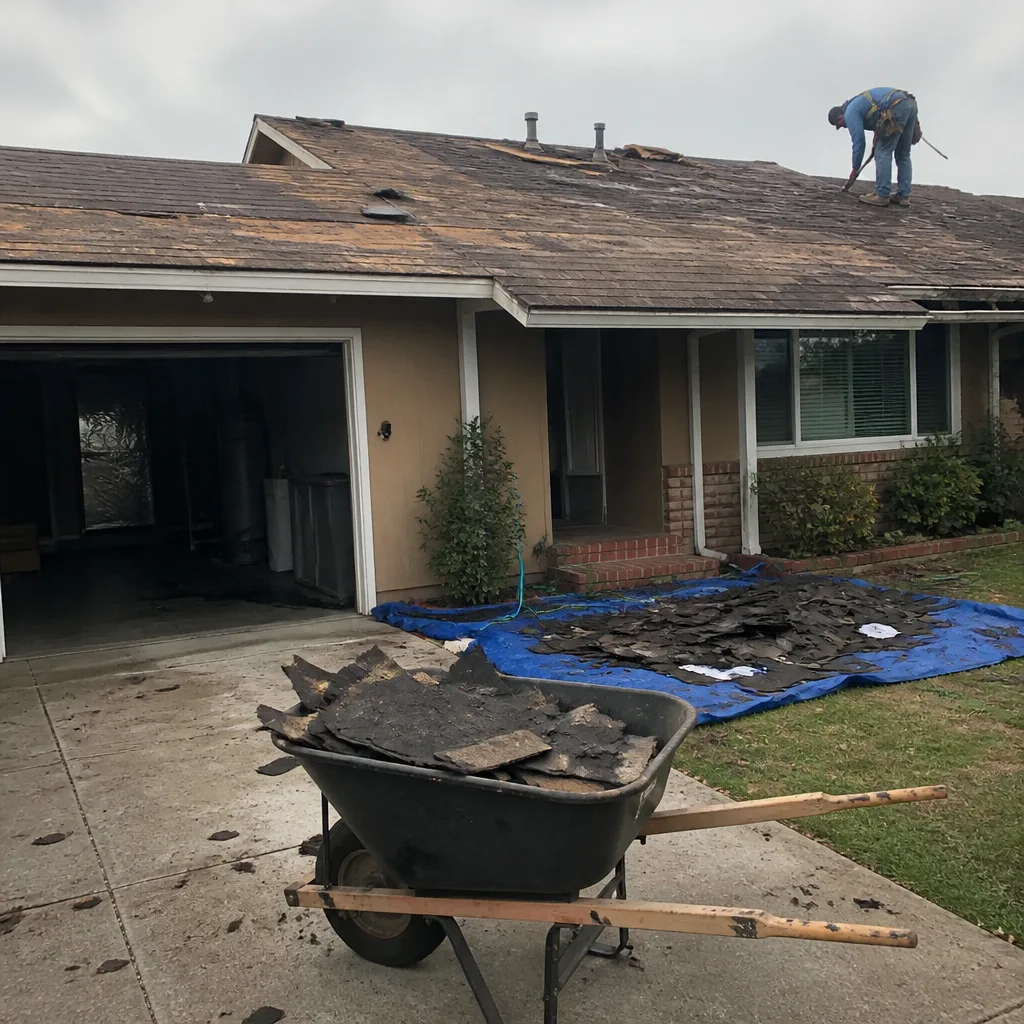
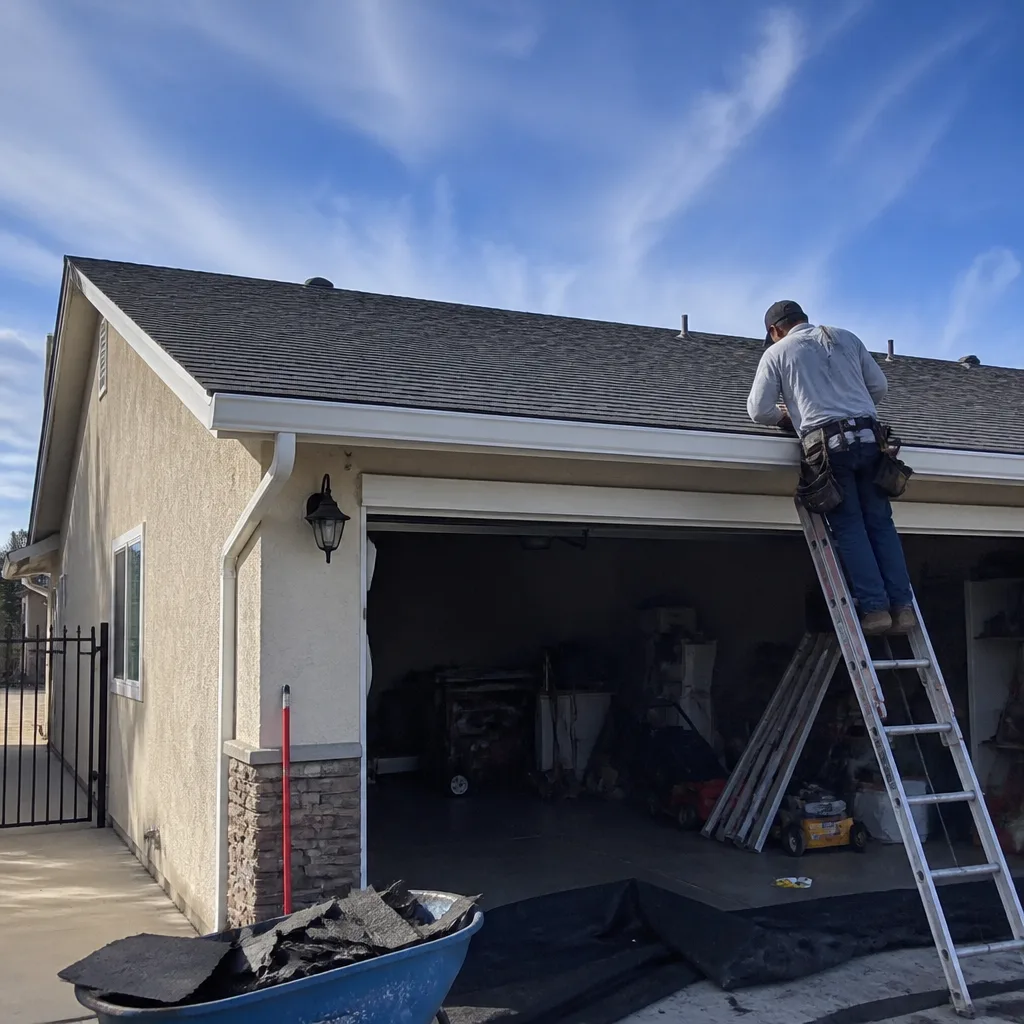
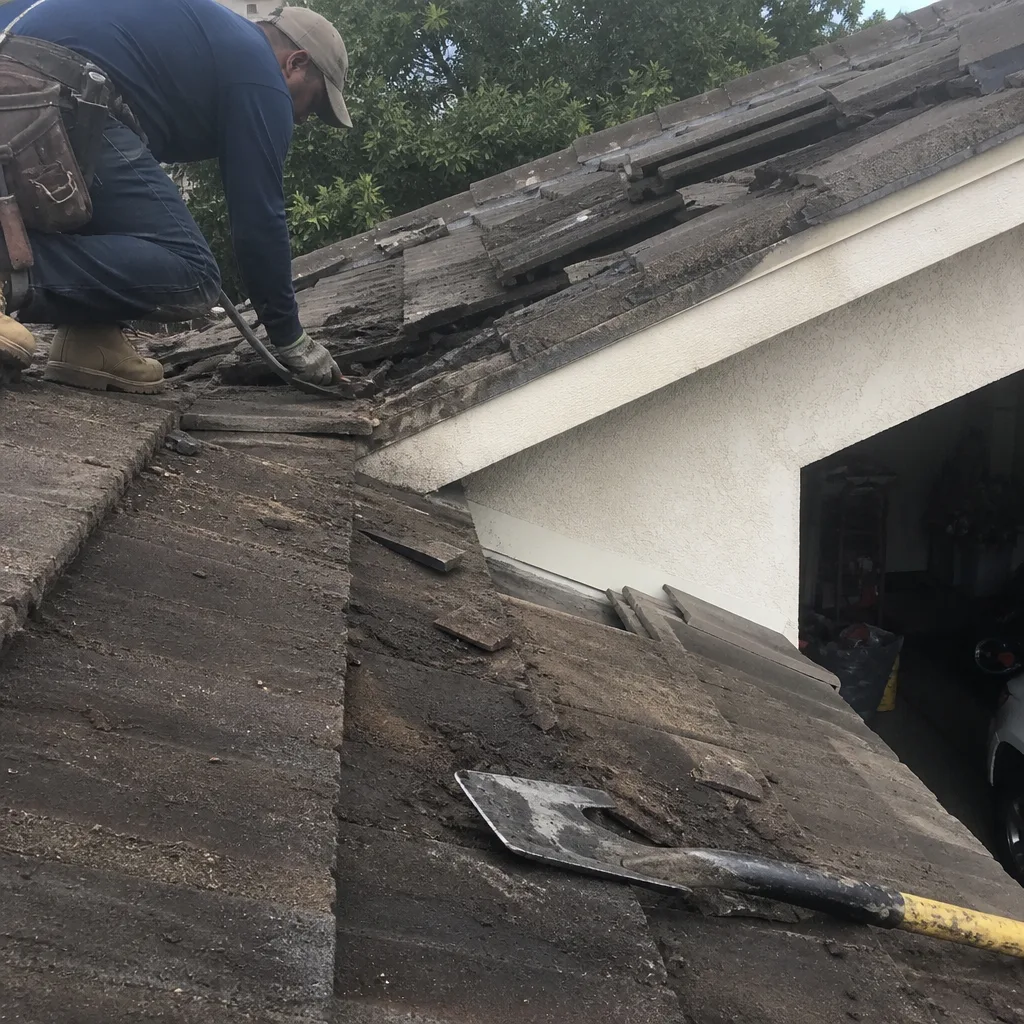
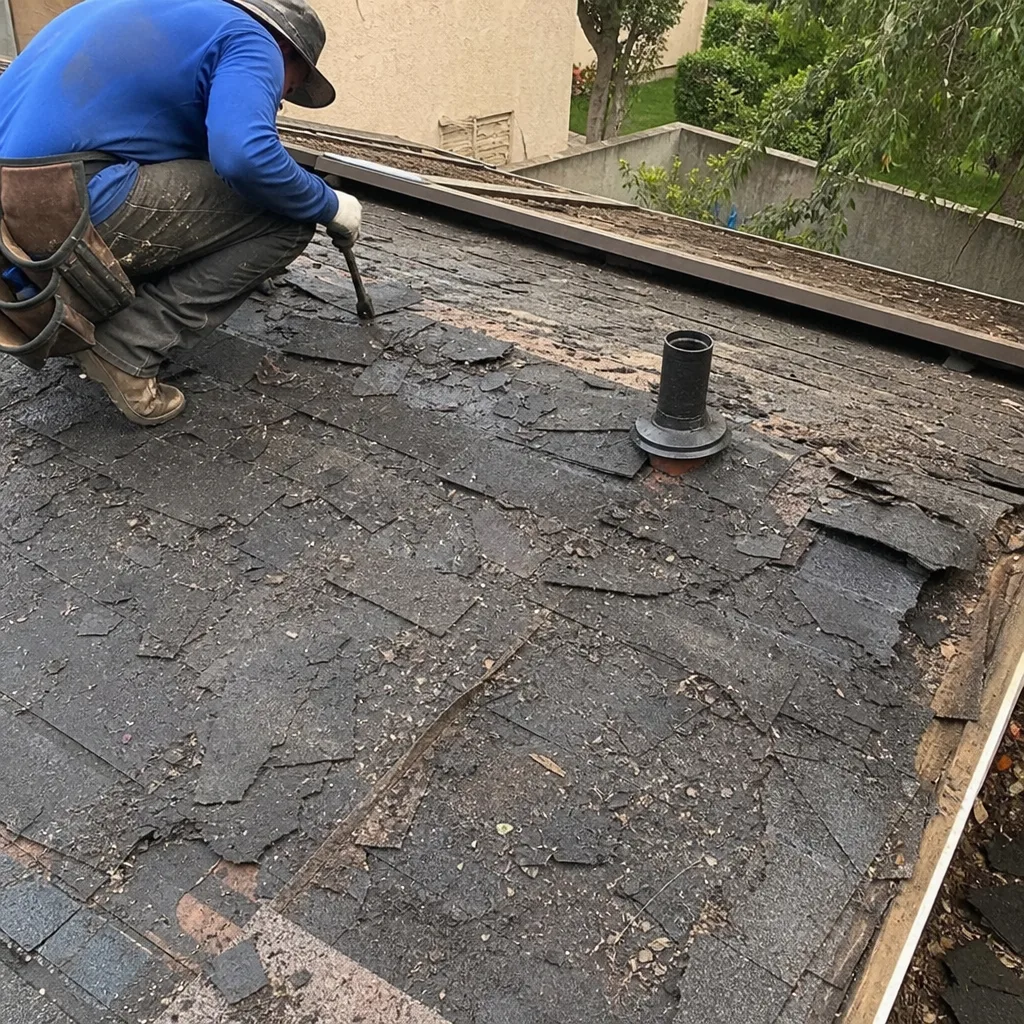
- Rough-in inspection: This happens after the old roof covering is removed but before the new underlayment goes down. The inspector is checking the roof deck: condition of the sheathing, spacing and sizing of rafters or trusses, attachment of the deck to the framing, and any required re-nailing of panels. This is the stage where hidden rot, termite damage, or undersized framing gets flagged. If the deck is unsound, the rough-in inspection fails, and the deck must be repaired or replaced before the contractor proceeds.
- Dry-in inspection: This occurs after the underlayment and any required flashing are installed but before the shingles go on. The inspector is looking at the water-resistive barrier: type of underlayment, lap direction, valley flashing, pipe boot flashing, and drip edge. This is the critical waterproofing stage. If the dry-in fails, the shingles cannot legally be installed over it. In Garden Grove’s coastal humidity, we also see inspectors checking for proper ventilation details at the eave and ridge during dry-in.
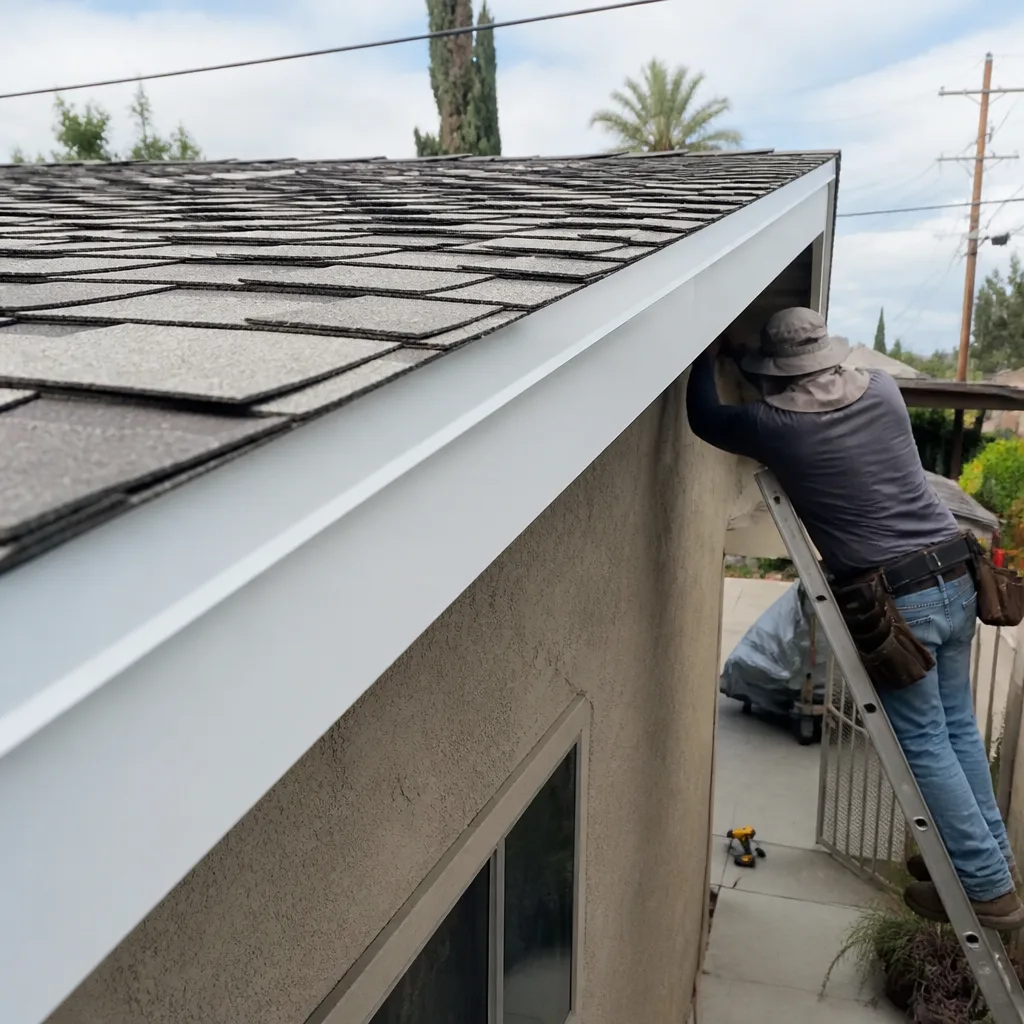
- Final inspection: This happens after the roof covering is complete. The inspector checks the finished roof: shingle alignment, nail pattern, ridge cap installation, flashing termination points, and overall workmanship. The final also confirms the roof meets Title 24 energy compliance and that any structural upgrade items flagged at rough-in were actually completed. The final inspection is the one that closes the permit.
The staging matters because it forces sequencing. You cannot hide a deck problem under new shingles. You cannot skip the dry-in and proceed straight to the covering. In our Roof Inspection in Rowland Heights service, we run these same checks as part of our standalone inspection offering, even when no permit is open. A roof inspection with no strings attached means you get the same eyes on your roof that a building inspector would use, without a city permit being pulled. That’s useful if you’re considering a purchase, assessing storm damage, or trying to figure out whether the contractor who did your last repair cut corners.
What Happens When Permits Are Skipped
The temptation to skip a permit is always money. A permit for a reroof in Garden Grove costs less than the inspection failures most unpermitted work would produce if it were inspected. But the actual exposure goes far beyond the permit fee. This is the section most guides underweight, and it’s the part that costs homeowners real money.
The first exposure is insurance. If your roof is replaced without a permit and the roof later fails, causing interior damage, your insurer will review the permit history. Unpermitted roofing work is a common basis for claim denial. The insurer’s position is straightforward: they insured a house with a roof that was lawfully installed, and they’re being asked to pay for damage to a roof that was not. Even if the claim is for water damage rather than structural failure, the unpermitted roof becomes the reason the water got in. Denial is not guaranteed, but it’s a risk the homeowner carries alone.
The second exposure is disclosure. California law requires sellers to disclose known material facts about a property, including unpermitted work. If you skip a permit on a re-roof and later sell, the unpermitted roof is a disclosure item. That reduces your buyer pool, drops your sale price, and gives the buyer leverage in negotiations. Some buyers will walk. The ones who stay will price in the cost of bringing the roof into compliance, and they’ll add a margin for their own risk.
The third exposure is code correction. When unpermitted roofing work is discovered, either during an insurance claim, a property sale, or a neighbor’s complaint to the building department, the city can require the roof to be brought to current code. That’s the same code update you were trying to avoid by skipping the permit, now applied as a mandatory correction with a stop-work order and potential fines. The cost of a code correction on a roof that was never permitted to begin with often runs higher than the original permitted job, because the inspector will also review everything else the unpermitted contractor touched. We’ve been called to Garden Grove homes where a handyman installed a new roof over old decking without a permit, and the correction required stripping the entire roof, re-sheathing, and starting over.
Common Mistakes to Avoid
- Treating multiple roof patches as separate jobs. The 50% threshold is cumulative across 12 months. Three separate 20% patches on three slopes counts as 60% replaced. The city counts the total, not the individual work orders. In Garden Grove, we’ve seen this become a compliance problem during a sale, when the permitted history shows three repair permits but the physical roof shows a full replacement’s worth of new shingles.
- Choosing shingle color before checking Title 24 reflectivity. That dark architectural shingle you picked from the sample board may not meet California’s cool roof standard for your climate zone. The time to check is before ordering, not after the inspector flags it. We run the energy compliance calculation before we ever order shingles, which is one of the reasons a brand-agnostic approach matters: we can move between manufacturers to find a color and rating that works, instead of trying to force a single brand’s product line to fit a spec it doesn’t meet.
- Assuming the fire rating belongs to the shingle alone. Class A fire rating is an assembly rating: shingle plus underlayment plus deck. The same shingle can be part of a Class A assembly or a Class C assembly depending on what’s underneath it. If you’re in a fire hazard severity zone in Garden Grove, the underlayment specification matters as much as the shingle brand.
- Letting a contractor skip the dry-in inspection. The dry-in is the only inspection that catches water-resistive barrier errors before the shingles go on. If a contractor doesn’t call for dry-in inspection, ask why. The answer will usually involve the time and money saved by skipping it, and the risk is all yours.
- Not disclosing unpermitted roof work at sale. The disclosure requirement doesn’t disappear because you forgot. California’s standard disclosure forms ask directly about unpermitted work. Omitting the answer is fraud, and the buyer who discovers it later has a cause of action. Disclose it, and price the correction into the deal.
- Paying for a structural roof without checking the wind uplift map. The wind speed map for Orange County has been updated multiple times. An older Garden Grove roof may need additional edge nailing or tie-downs that a contractor quoting a straight shingle swap will not include. The permit process forces the issue, which is one reason the permit is worth the fee: it forces the contractor to build to the current standard, not the 1985 standard.
When to Call a Professional
Roof permitting, code compliance, and inspection sequencing are not homeowner-inspectable tasks. The specific triggers depend on your roof’s history, your address’s fire hazard classification, your climate zone’s Title 24 requirement, and the cumulative replacement history of the roof covering. A professional who works in Garden Grove’s inspection ecosystem every week knows what the local building department checks and what it doesn’t, and can sequence a Roof Replacement in Rowland Heights or a simple repair to avoid triggering an unnecessary code review. In our experience, a roof inspection with no strings attached is the fastest way for a homeowner to know where they stand. Crown Line Roof Repair offers free estimates in Garden Grove. Call (844) 966-3891 for a free estimate.
Frequently Asked Questions
Yes, a permit is required for roof replacement in Garden Grove when the work exceeds 50% of the roof surface within any 12-month period. Roof covering replacement below that threshold is typically treated as repair and may not require a full roof permit, though the work must still meet current code for any section being replaced. Contact the Garden Grove Building Division for the specific threshold interpretation for your address. Call (844) 966-3891 for an exact answer on your situation.
Roof permit fees in Orange County vary by city and project valuation, but residential reroof permits in Garden Grove typically run in the hundreds of dollars, not thousands. The cost is set by the city’s fee schedule and is based on the value of the roofing work described in the permit application. The larger cost consideration is not the permit fee itself but the compliance items the permit can trigger, which is why a code review matters before work starts. Call (844) 966-3891 for a free estimate that includes the permit scope.
It means the city calculates total roof surface replacement across any 12-month period, not per slope or per job. If you replace 30% now and 25% in six months, you’ve crossed 50% and the second job is legally part of a full replacement. That triggers a full permit requirement and brings the entire roof assembly into current code compliance. Roof Repair in Rowland Heights and similar services help homeowners track cumulative replacement so they don’t accidentally trigger a full replacement review. Call (844) 966-3891 with your roof’s repair history and we’ll help you map where you stand.
Some dark shingle colors will not meet Title 24’s aged solar reflectance minimum for Garden Grove’s climate zone unless paired with additional compliance credits, such as increased attic insulation. The right answer depends on the specific shingle product, its CRRC rating, and the rest of the roof assembly. A contractor should run the Title 24 compliance calculation before ordering shingles. We work with shingle brands including IKO, Atlas, and Tamko, and we check the energy compliance on each product before it goes on the roof.
You can sell, but you must disclose the unpermitted roof work on the transfer disclosure statement. Failure to disclose is a legal liability, and the disclosed item will likely reduce your sale price or contract terms. Some buyers will request the roof be brought into compliance as a condition of sale, and the cost of that correction is negotiated at the buyer’s leverage point, not yours. If you have an unpermitted roof in Garden Grove and want to know what a correction would involve, call (844) 966-3891 for a free assessment.
A typical residential roof replacement in Garden Grove takes 3 to 7 working days from tear-off to final inspection, depending on roof size, weather, and inspection scheduling. The permit approval itself typically takes 2 to 10 business days from submission, and inspection scheduling depends on the city’s current backlog. Larger phased projects or jobs with structural corrections can extend the timeline. We provide a written schedule with every estimate so you know what the inspection sequence looks like before work starts.
The Bottom Line
Roofing permits in California are not an administrative formality. The 50% threshold, Title 24 energy compliance, fire assembly ratings, and structural review triggers turn a simple shingle replacement into a whole-roof code compliance event. The permit is not the cost center: the code corrections the permit forces are. And the cost of skipping the permit is higher than the permit fee, once you factor in insurance denial exposure, sale disclosure, and mandatory correction. In Garden Grove, the smartest move is the one that sounds least glamorous: a roof inspection with no strings attached before you sign a repair contract. Repair first. Replacement only when the numbers justify it. Seven major brands. One honest recommendation. Call (844) 966-3891 for a free estimate, and get the straight answer on what your roof actually needs. For more guides & resources on roofing in Garden Grove, visit our blog.
Written by the team at Crown Line Roof Repair, serving Garden Grove homeowners with roof repair, replacement, and inspection across Orange County.
Styles & brands we work with
See the difference
 Before
 After
 Before
 After
 Before
 After