

Last updated October 30, 2026
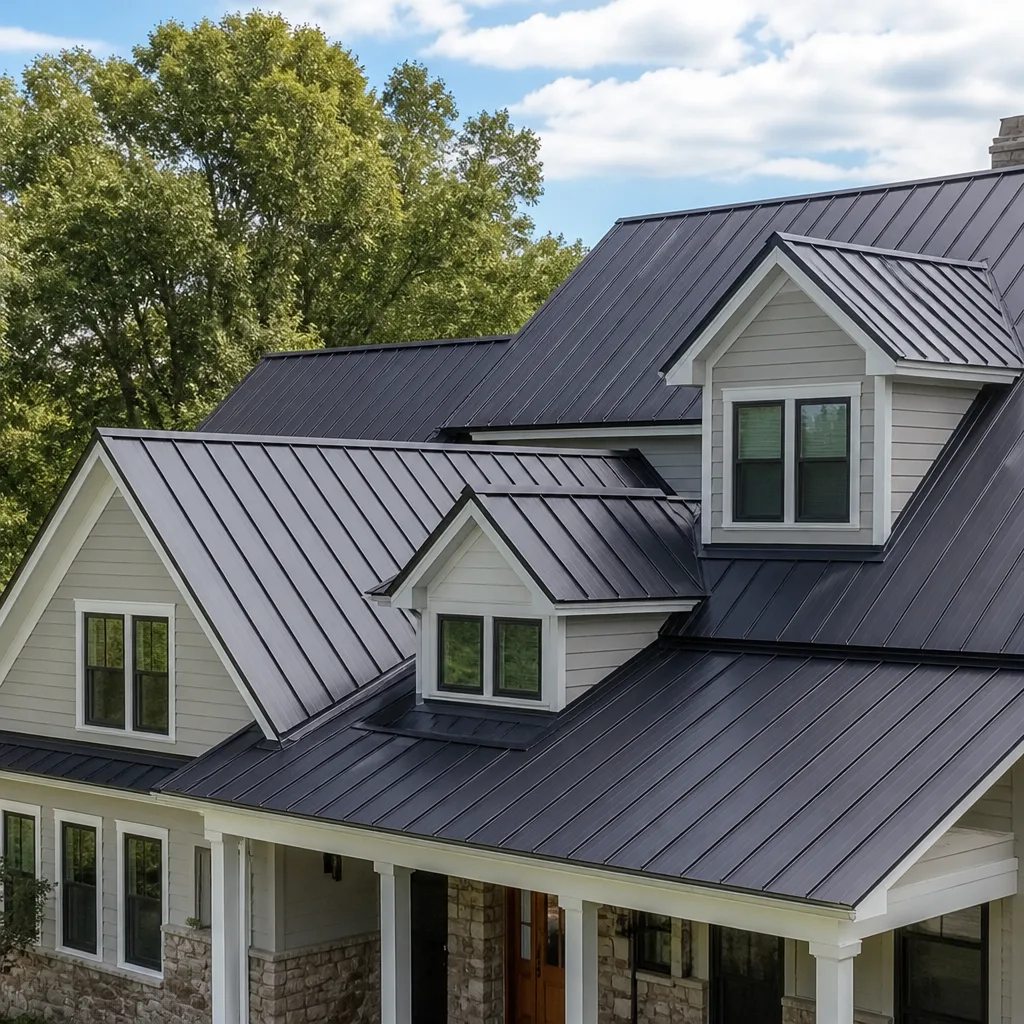 Metal roofing
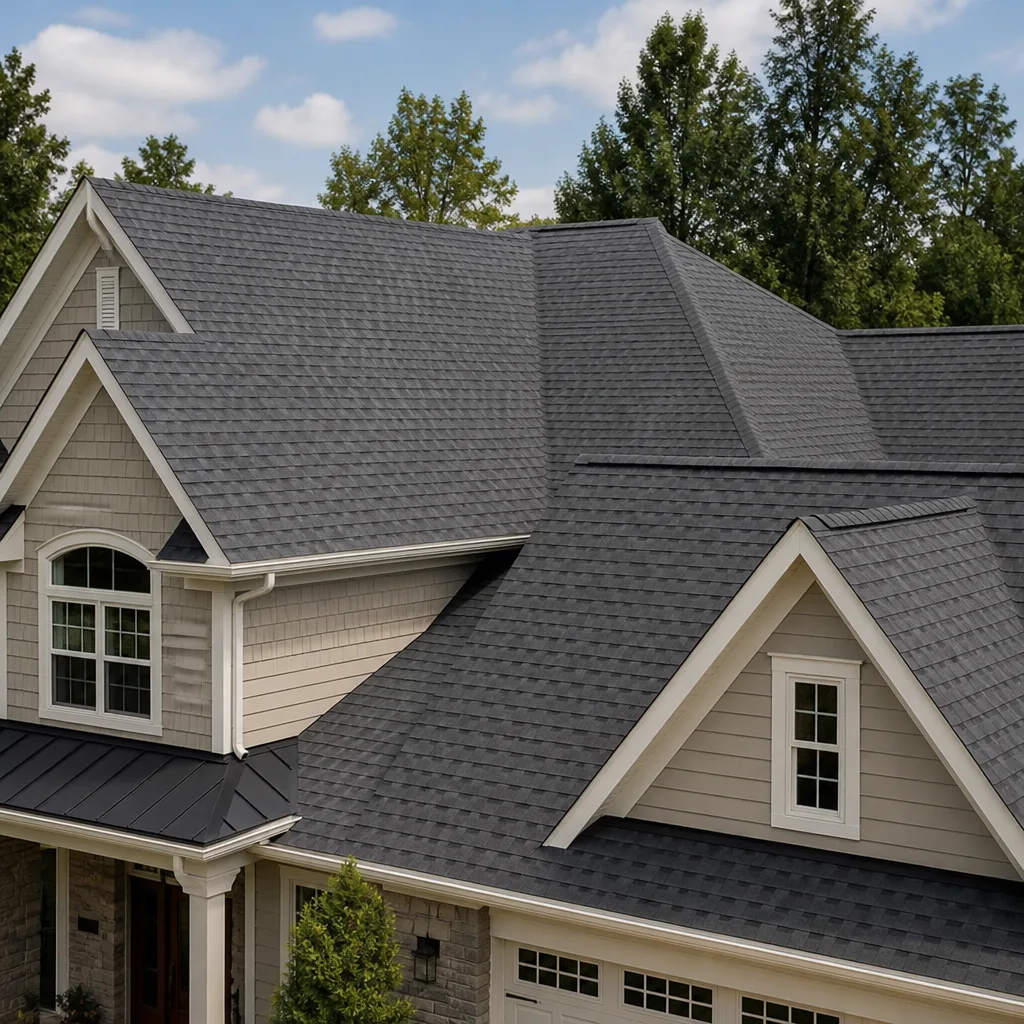 Architectural shingles
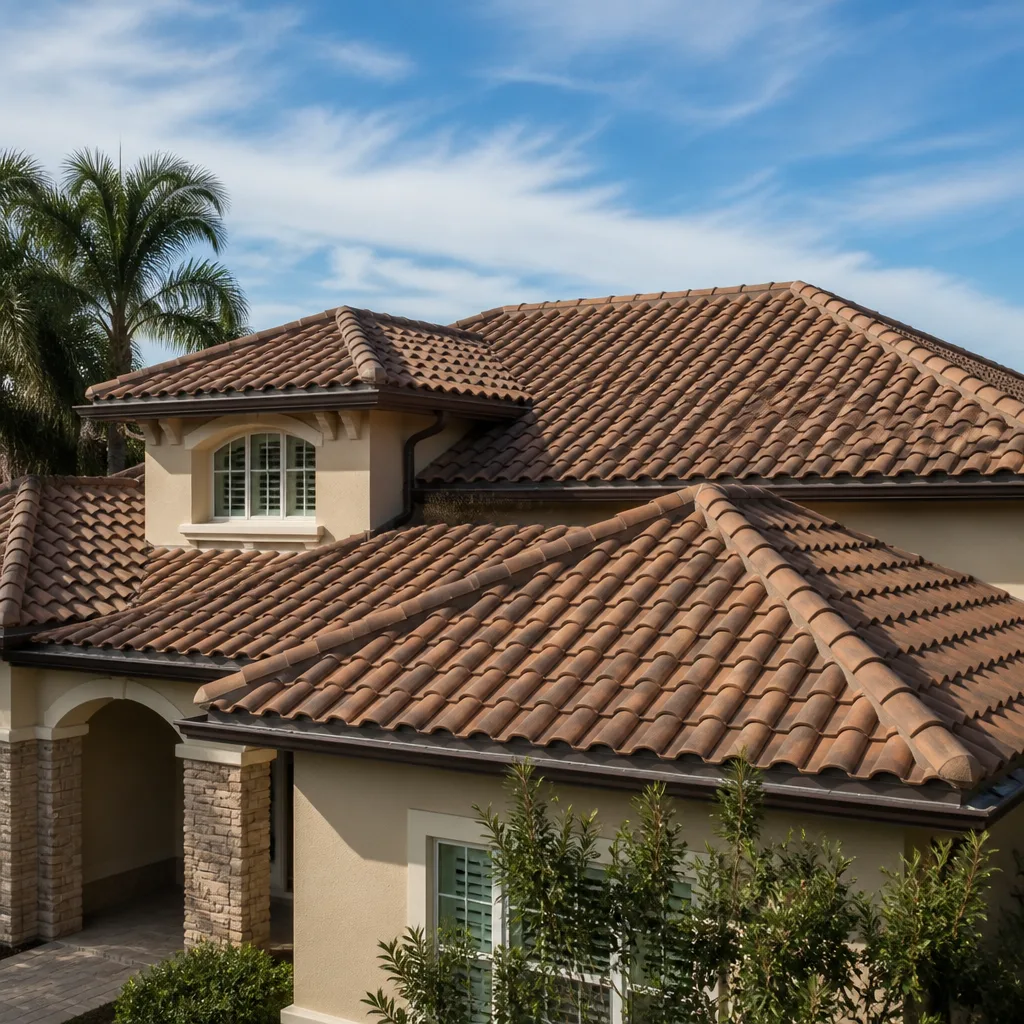 Tile roofing
 GAF
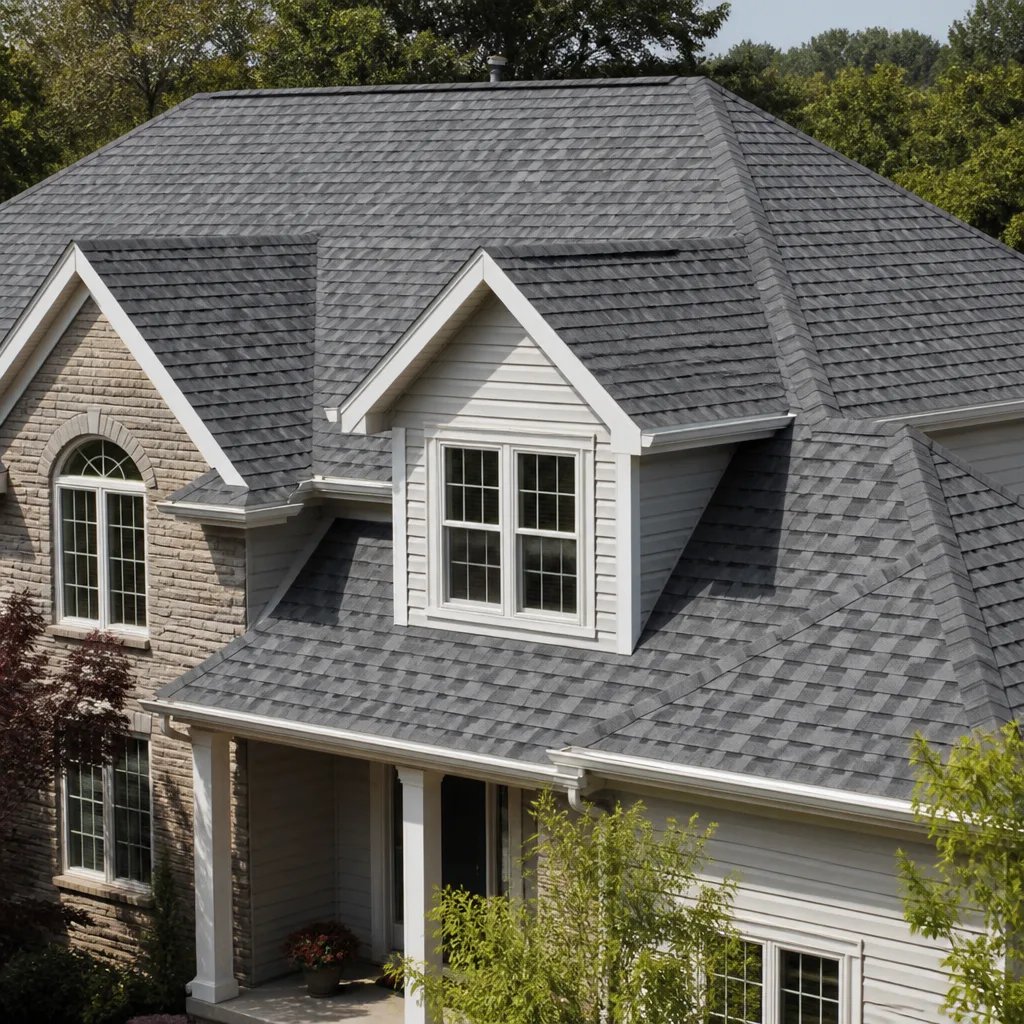 Owens Corning
 Flat & low-slope
Free roof inspection with deck photos before we talk money - GAF and Owens Corning certified installation
Roofing Warning Signs: A Garden Grove Homeowner’s Reference Guide
Granules in your gutters aren’t automatically a crisis. A new asphalt shingle sheds loose surface granules for the first several months after installation as a normal part of curing, and a few granules washing down the downspout is expected. But the same symptom on a 15-year-old roof means the protective mineral layer is depleting, and UV degradation of the underlying asphalt mat is already underway. Same sign, two completely different urgency levels. This guide is built for Garden Grove homeowners who want to know the difference, pairing each warning sign with its mechanism, its realistic urgency rating, and a clear-eyed read on whether it’s cosmetic, structural, or somewhere in between. For a deeper dive, see The Complete Guide to Roofing in Garden Grove.
Styles & brands we work with
Quick Answer
The most serious roofing warning signs for Garden Grove homeowners are active water intrusion (stains on ceilings or walls, damp attic insulation), visible structural sag in the roof plane, and separated flashing around penetrations, chimneys, or wall intersections. Granule loss, minor surface cracking, and algae streaking are typically slower-moving issues that warrant monitoring and a professional assessment rather than panic. When in doubt, a standalone roof inspection gives you a straight answer without a sales pitch attached.
Table of Contents
- Understanding Urgency Tiers: Immediate, Near-Term, and Monitor
- Interior Warning Signs That Show Up Before Roof Damage Is Visible Outside
- Normal Aging vs. Premature Failure: How to Tell the Difference
- Garden Grove-Specific Warning Patterns: Marine Air, Heat, and Home Additions
- A Photographic Reference Guide: What Each Sign Looks Like vs. What It’s Confused With
- Flashing Failure: The Most Overlooked Leak Source on Garden Grove Homes
- Ventilation Deficiency: The Silent Roof Killer
- Common Mistakes to Avoid
- When to Call a Professional
- Frequently Asked Questions
Understanding Urgency Tiers: Immediate, Near-Term, and Monitor
Not every roof symptom demands a contractor’s truck in your driveway this week. Shingle roof systems fail gradually, and the timeline from first sign to actual water damage depends heavily on what’s failing and where. We organize warning signs into three tiers because treating a cosmetic issue as an emergency wastes money, and treating a structural issue as a wait-and-see item risks the decking, insulation, and drywall below.
Tier 1: Immediate Action (Within 24-48 Hours)
Active water intrusion. A ceiling stain that grows after rain, water beading on attic framing, or damp insulation is not a “monitor” situation. Water is already inside the building envelope. Every additional rain event expands the damage footprint. In Garden Grove, where winter rains arrive in concentrated bursts between long dry spells, homeowners sometimes miss a slow leak for months because the attic dries out between storms. By the time the ceiling stain appears, the leak has often been active for weeks.
Structural sag or deflection. Any visible dip in the roof plane, especially along the ridge or between rafters, indicates compromised decking or damaged framing. This is a structural issue, not a shingle issue. The roof is carrying load it was never designed to carry, either from saturated decking or from years of slow water exposure.
Blown-off or missing shingles after a wind event. A bare patch of roof decking exposed to the elements is an open invitation for water. Even a single missing shingle in Garden Grove’s winter rain season can channel water directly onto the underlayment, which is not designed to function as the primary waterproofing layer for more than a few days.
Tier 2: Near-Term Repair (Schedule Within 2-4 Weeks)
Flashing separation. When metal flashing pulls away from a chimney, skylight, or wall intersection, the roof’s water-shedding system is compromised at its most vulnerable joints. Flashing is where roofs leak first, because it’s where roof planes change direction or meet another material. A 1/4-inch gap can admit water during wind-driven rain even when the shingles above it are in good condition.
Exposed nail heads. Nails that have popped up through shingle surfaces are water entry points waiting to happen. Each exposed nail head is a small cylinder of steel with water running around it. When the rubber washer or sealant under the nail head degrades, capillary action draws moisture down the nail shank into the decking. This is a straightforward fix when caught early and a decking replacement when ignored long enough.
Curling shingle edges on multiple slopes. Curling that appears on several slopes at once, especially on a roof under 15 years old, signals either a ventilation problem or an installation issue. The shingles are telling you they’re getting too hot from below or too dry from UV exposure. Either way, the cure is diagnostic work, not just shingle replacement. Fix the underlying condition and the new shingles last. Ignore it and you’ll replace the same roof twice.
Tier 3: Monitor and Schedule (Assessment Within 1-3 Months)
Granule loss on an older roof. Asphalt shingles lose granules throughout their life. On a roof under 5 years old, significant granule loss is an installation or manufacturing issue. On a roof over 15 years old, it’s the expected endpoint of the shingle’s service life. The distinction matters because the fix is different: a manufacturer claim on the new roof, a replacement-planning conversation on the old one.
Minor surface cracking. Hairline cracks in shingle surfaces that don’t penetrate the full shingle thickness are a cosmetic concern with a long runway. Full cracks that go through to the mat are a different story, those are the early stages of shingle failure. The difference is visible on close inspection, which is why a standalone roof inspection gives you a clear picture without any repair obligation.
Algae streaking. The black or brown streaks common on Garden Grove roofs are Gloeocapsa magma, a cyanobacteria that feeds on limestone filler in asphalt shingles. It’s ugly, and it slowly degrades granule adhesion over years, but it’s not an emergency. Cleaning it properly (low-pressure, never power-washed) extends shingle life. Ignoring it for a decade will shorten the roof’s appearance and, eventually, its functional life.
Interior Warning Signs That Show Up Before Roof Damage Is Visible Outside
Most homeowners assume the first sign of roof trouble appears on the roof. In our experience, the opposite is true. Interior symptoms often precede visible exterior damage by months, because water travels along sheathing, rafters, and insulation before it ever darkens a shingle. These are the four interior signs that tell you to go into the attic before you climb onto the roof.
- Attic staining patterns on the underside of the decking. Dark, irregular stains on the plywood or OSB under your shingles are the earliest reliable indicator of water penetration. Pay attention to the pattern: stains that follow seams, stains radiating from nails, and stains concentrated at roof penetrations or valleys each point to a specific leak source. A single round stain under a nail means a failed fastener. A broad stain at a valley means watershed overload. The shape of the stain is diagnostic data.
- Daylight visible through the decking. In a properly constructed roof, the attic should be dark even on a sunny day. If you can see pinpoints or slivers of daylight through the decking when the lights are off, you’re looking at either fastener holes that have widened, cracked decking, or gaps at the eaves. Each pinpoint of light is also a water path. This is one of the simplest checks a homeowner can do on any dry, sunny day in Garden Grove, and it costs nothing.
- Insulation moisture or compression. Fiberglass insulation that feels damp, looks matted, or has lost its loft has absorbed water at some point. Even if it’s currently dry, compression means it’s holding less air and providing less thermal protection. The water source might be a roof leak, but it can also be a ventilation deficiency causing condensation. Either way, damp insulation is evidence that the attic’s moisture balance is wrong, and the roof system is part of that equation.
- Rust on nail points or metal fasteners in the attic. The underside of a roof deck has thousands of nail points protruding through. If those points show rust, moisture has been present in the attic. Surface rust means occasional humidity events. Crumbling rust that flakes off the nail means chronic moisture exposure. This is the same dynamic as the staining on the decking: the attic is a diagnostic cavity, and its surfaces are a record of what’s happening above.
Garden Grove’s climate pattern makes these interior checks particularly useful. We get long, dry stretches where attics empty out and water stains fade, followed by intense rain periods that overwhelm small leaks. Checking the attic during the dry season catches problems that would be invisible during the rainy season, because the water tracks remain visible even after the moisture evaporates.
Normal Aging vs. Premature Failure: How to Tell the Difference
A 20-year-old architectural shingle showing granule loss is behaving normally. A 9-year-old shingle showing the same symptom is failing prematurely, and the owner deserves to know why. The distinction is the entire ballgame. Here’s how to separate the two.
Normal Aging Patterns
- Uniform granule loss across all slopes. When every roof plane deteriorates at roughly the same rate, that’s UV exposure doing what UV exposure does. South-facing slopes in Garden Grove age slightly faster than north-facing slopes because they get more direct sun, but the difference should be a matter of degree, not a dramatic gap.
- Gradual edge curling on shingles past 15 years. Asphalt shingles become less flexible as volatile oils outgas over time. Curling at exposed edges, especially on older roofs, is the shingle slowly losing its dimensional stability. It’s a normal part of the product’s service life ending.
- Fading and chalkiness. Color loss and surface chalking are cosmetic symptoms of UV exposure. A roof that’s getting lighter in color but still shedding water is older, not failing. Certain shingle lines from GAF and CertainTeed are designed with specific granule formulations to resist this, but all asphalt shingles fade eventually.
Premature Failure Patterns
- Differential wear: one slope failing while another looks new. When the south slope is cracked, curling aggressively, and losing granules while the north slope still looks factory-fresh, something beyond normal aging is at work. Ventilation imbalance, a thermal hotspot from an attic HVAC duct, or a reflected-heat source like a neighboring stucco wall can concentrate stress on one plane. A roof that fails unevenly is a roof where the system, not the material, is the problem.
- Blistering and pitting on shingles under 10 years old. Blisters are small bubbles that form when moisture or trapped gases expand under the shingle surface. They pop, leaving pits. On a young roof, this points to either poor attic ventilation trapping heat against the decking, or an installation issue where the shingle was bonded to an improperly prepared surface. On an old roof, blistering is just another end-of-life marker. The age bracket tells you which read is correct.
- Fractured shingles in patterns, not isolated spots. A single cracked shingle is an impact event, a falling branch, a misplaced ladder foot. Cracking that appears in a line across multiple shingles in a geometric pattern suggests decking movement, improper nailing that restricts thermal expansion, or a manufacturing defect. Patterned failure is a system signal. Isolated failure is a point event.
When we evaluate a roof with premature failure indicators, the first question isn’t “what shingle is on there?” It’s “what’s happening under these shingles?” The shingle is almost never the root cause. It’s the symptom. Roofs fail early because of bad ventilation, bad flashing, bad installation nailing patterns, or bad deck preparation. Diagnosing that root cause before recommending repair or replacement is what keeps a new roof from failing the same way.
Garden Grove-Specific Warning Patterns: Marine Air, Heat, and Home Additions
Garden Grove sits 9 miles from the Pacific, and the marine air that moderates our temperatures also creates a distinctive relationship between our roofs and the environment. Three warning patterns show up here with more frequency than in inland Orange County, and each has a specific cause worth understanding.
Algae Streaking from Marine Air Carrying Spore Loads
Garden Grove’s morning marine layer deposits moisture on roof surfaces, and the same air carries cyanobacteria spores that establish colonies on shingle granules. The black streaks that sweep down from the ridge line are living colonies, not dirt, and they spread faster here than in drier inland cities because the moisture deficit is lower. The practical takeaway: Garden Grove roofs are more likely to develop algae streaking than similar roofs in Anaheim Hills or Yorba Linda, and the cleaning interval needs to account for that. A roof that gets cleaned every seven years in Tustin might need attention every four to five years here.
Thermal Cracking on South-Facing Slopes from Summer Heat Loading
Everyone’s roof gets hot in August. But a Garden Grove south-facing slope on a house with limited attic ventilation can see decking temperatures approach 160 degrees on a 95-degree day, and that heat radiates up through the shingle from below while the sun beats down from above. The shingle is being cooked from both directions. Hairline cracks on south-facing slopes, especially near the ridge where attic heat collects, are the signature of this process. The shingles aren’t failing because they’re old. They’re failing because they’re baking. This is a ventilation problem presenting as a shingle problem, and it’s one of the most common findings in our inspections of Garden Grove homes built in the 1970s and 1980s, when attic ventilation standards were looser than they are today.
Kick-Out Flashing Failure on Home Additions
Garden Grove has a high proportion of homes with additions: bedroom extensions, enclosed patios, second-story expansions. Every time a roof plane terminates into a vertical wall, proper construction requires a kick-out flashing, a small metal diverter that channels water away from the wall and into the gutter. Kick-out flashing is the single most commonly omitted or incorrectly installed flashing detail in residential roofing, and it’s particularly prevalent on additions built by handyman crews rather than licensed roofers. When the kick-out flashing is missing, water pours down the wall surface behind the stucco or siding, rotting the wall sheathing and framing. The leak might show up somewhere in the interior far from the actual entry point. On Garden Grove homes with additions, especially additions that predate current flashing-code enforcement, we look for this before we look at the shingles.
A Photographic Reference Guide: What Each Sign Looks Like vs. What It’s Confused With
One of the most frustrating experiences for a homeowner is watching a YouTube video or reading a forum thread that describes a roofing symptom in language vague enough to apply to five different conditions. Here’s a plain-language visual reference for the most common signs, paired with the conditions they’re commonly mistaken for.
Dark Streaks: Algae vs. Actual Staining
Algae streaking and water staining look similar at first glance: both are dark and both follow the slope of the roof. But the patterns are distinct. Algae streaks start at the ridge and spread downward in irregular, tentacle-like fingers that branch and merge. They’re most visible on light-colored shingles and tend to be uneven in density. Water staining from a leak usually appears as a concentrated dark patch near a penetration, valley, or edge, not a broad streak running from the ridge down. Algae also appears on the surface of the shingle; water staining often darkens the shingle from beneath.
Granule Loss: Normal vs. Accelerated
Normal granule loss shows up as a slight thinning on shingle edges in older roofs, often visible as the dark asphalt base barely showing through at the edge line. The shingle surface remains uniform, and the roof still has a consistent color. Accelerated granule loss shows up as bald patches, areas where the asphalt base is fully exposed, and a significant accumulation of granules in gutters and at downspout outlets. If you can see bare asphalt on a roof under 10 years old, that’s not normal wear, that’s a material or installation defect. Most major manufacturers, including Owens Corning and IKO, have specific granule-loss warranty thresholds, so this is one symptom where a professional inspection can actually recover value for the homeowner through a manufacturer claim.
Curling: Heat-Related vs. Moisture-Related
Heat-related curling produces shingle edges that curl upward, away from the decking, often with a crisp, baked appearance at the curl line. The shingle looks dried out. Moisture-related curling produces a more irregular pattern, with edges that may curl downward or in multiple directions, and the shingle often retains a softer, more flexible feel. Heat curling is concentrated on sun-exposed slopes and near ridge lines. Moisture curling is distributed more randomly and often accompanies decking stains or interior moisture signs.
Ceiling Stains: Roof Leak vs. Condensation vs. Plumbing
A dark ceiling stain below an attic space could be a roof leak, yes. It could also be a plumbing leak from a supply line or drain running through the ceiling cavity, or condensation from an attic HVAC system with a clogged condensate drain or leaking duct. Roof leaks typically stain in irregular patches that expand and darken after rain events, and they often appear at the ceiling’s highest point or following a rafter line. Plumbing leaks are usually more localized and don’t change with weather. Condensation stains often appear as rings or symmetrical patterns around duct registers or where ducts touch the ceiling. Before replacing a roof over a ceiling stain, eliminate the other two possibilities. A roof inspection that includes attic examination is the fastest way to identify which system is actually leaking.
Flashing Failure: The Most Overlooked Leak Source on Garden Grove Homes
Here’s a number that surprises most homeowners: the majority of residential roof leaks are not caused by shingle failure. They’re caused by flashing failure. Shingles are a continuous water-shedding surface, but flashing is what makes the water-shedding system work at its transitions, where roof planes meet walls, where chimneys penetrate the deck, where valleys channel concentrated flow. When flashing fails, the leak is usually at that transition.
Flashing fails in three common ways on Garden Grove homes:
- Sealant breakdown. Flashing pieces are often bedded and sealed with roofing cement or butyl sealants that degrade under UV exposure. Garden Grove’s hot, dry summers accelerate this. The metal might be perfectly intact, but the seal that waterproofs the joint is gone.
- Mechanical separation. Metal flashing expands and contracts with temperature changes. Over decades of Garden Grove heat cycling, nails and fasteners work loose, and the flashing pulls away from the surface it’s supposed to protect. The gap might be visible, or it might be hidden under the shingle course above.
- Corrosion perforation. Older flashing in coastal areas is often galvanized steel, which eventually rusts through. A pinhole in a flashing surface lets water in behind the shingle, where it spreads laterally before becoming visible inside the house. By the time the interior stain appears, the water has been entering for months.
Step flashing, the individual metal pieces woven into shingle courses where a roof meets a sidewall, is particularly prone to failure on Garden Grove’s older housing stock. Homes built in the 1950s through 1970s often have step flashing that’s never been replaced. When we inspect these roofs, we look at the step flashing before we look at the shingle condition, because that’s where the leak usually is.
Ventilation Deficiency: The Silent Roof Killer
Attic ventilation is the least visible and most impactful variable in roof longevity. A properly ventilated attic maintains a temperature close to the outdoor temperature and a moisture level close to the outdoor air. When ventilation is inadequate, heat and moisture build up under the decking and attack the roof system from below.
The mechanism is straightforward. Hot air rises. In a Garden Grove summer, attic air that can’t escape through ridge or gable vents reaches temperatures in the 140 to 160 degree range. That heat conducts through the decking and into the shingle, where it combines with the sun’s direct heat to cook the asphalt from both sides. The shingles age prematurely, lose granules faster, and curl sooner than the same shingle would on a properly ventilated roof.
Moisture is the second vector. Every shower, cooking boil, and laundry cycle in a house generates water vapor that migrates upward into the attic. In winter, when the attic is colder than the house, that vapor condenses on the underside of the decking. Without proper air movement to dry the condensation, the decking stays damp, which leads to warping, mold, and eventually rot. The first symptom is often condensation on the attic side, not a leak from outside.
How to Check Ventilation Balance
- Look for intake vents. Walk around the roofline. Intake ventilation comes from soffit vents, eave vents, or low gable vents. If you don’t see any, the attic has no fresh-air intake, and whatever exhaust vents exist are pulling air from the living space instead of through the soffit.
- Count exhaust vents. Ridge vents, box vents, turbine vents, or high gable vents should be present near the roof’s peak. A roof with intake but no exhaust is like a room with a supply duct but no return, air can’t move.
- Check for blocked intake. Even when soffit vents exist, blown-in insulation often covers them from inside the attic. Feel for air movement at the soffit on a breezy day. If you can’t feel it, the intake is likely blocked.
- Look at the shingle temperature pattern. After a hot summer day, a properly ventilated roof should feel roughly the same temperature across its surface. If you can feel hot spots with your hand from a ladder, especially near the ridge line or on unventilated slopes, the attic heat is pooling unevenly.
Ventilation work is one of the highest-return improvements a homeowner can make to an existing roof. Adding proper intake and exhaust ventilation to a 10-year-old roof in Garden Grove can add several years of service life to the shingles above it. Whether it’s the right move for your specific roof depends on the roof’s construction, the existing ventilation capacity, and the shingle system currently installed. Brands like Boral design their tile systems with specific ventilation requirements, and matching the ventilation to the material matters. See our Choosing the Right Roofing Brand: A Buyer’s Guide for Garden Grove for help matching products to your home. This is where a diagnostic inspection earns its cost.
Common Mistakes to Avoid
- Power-washing an algae-stained roof. High-pressure water strips granules, damages shingle edges, and forces water under the laps. The algae is gone, but the roof’s service life took a hit. Low-pressure cleaning with the right cleaning solution is the correct approach, and on steep-pitch Garden Grove roofs, it’s work best left to a professional with the right fall-protection setup.
- Caulking over damaged flashing instead of repairing it. Roofing sealant is a temporary patch, not a repair. It fails within one to two seasons under Garden Grove’s UV load, and now you’ve got a failed caulk joint on top of a failed flashing detail. The flashing piece needs replacement, not a bead of silicone over the gap.
- Ignoring a small ceiling stain because it’s “not that big.” The visible stain is the endpoint of a water path that’s already traveled through shingles, underlayment, decking, and possibly insulation. A 6-inch ceiling stain in Garden Grove can represent a decking section that’s been soaking for months. The repair cost escalates every season the leak continues.
- Adding a second layer of shingles over a failing roof. “Reroofing over” hides the problem instead of fixing it. The decking underneath remains damaged, the old shingles’ granule loss continues underneath the new layer, and the added weight stresses the framing. A proper roof replacement means tearing off to the decking and inspecting what’s underneath.
- Waiting for a “big enough” leak to justify a repair call. Small leaks become big leaks on their own schedule. The attic dries out between storms, the stain doesn’t grow for months, and then a heavy winter rain delivers the accumulated damage all at once. The cheapest repair is the one done before the decking rots.
- Assuming a brand-new roof can’t have problems. Installation errors reveal themselves within the first year, and they often show up as the same interior symptoms as an old roof’s leaks. A new roof that leaks is usually flashing-related, not shingle-related, because proper flashing installation is where rookie crews make the most mistakes.
When to Call a Professional
Any of the Tier 1 signs should trigger a call immediately: active water intrusion, structural sag, or missing shingles after a storm. Tier 2 signs, the flashing separation, exposed nails, and curling edges, should get on the schedule within a few weeks before the next rain season starts. Tier 3 signs call for scheduling an inspection when it’s convenient, with the understanding that early assessment is always cheaper than late assessment. If you’re unsure which tier your symptom belongs in, that uncertainty is itself a reason to call. Garden Grove homeowners deal with marine air, summer heat, and aging housing stock simultaneously, and the combination produces failure patterns that don’t always match the textbook descriptions. Crown Line Roof Repair offers free estimates in Garden Grove. Call (844) 966-3891 and we’ll tell you what you’re looking at.
Frequently Asked Questions
Most roof leak repairs in Garden Grove run between $350 and $900 for a single flashing or shingle repair, depending on the location and the extent of the water damage under the surface. A straightforward flashing re-seal or shingle replacement at a penetration costs less; a leak that has rotted decking and requires structural repair costs more. The only way to know is to expose the affected area. Call (844) 966-3891 for an exact quote, and the estimate is free.
A properly installed architectural asphalt shingle roof in Garden Grove typically lasts 18 to 25 years, with south-facing slopes wearing faster due to increased UV and heat exposure. Three-tab shingles usually last 15 to 18 years. Ventilation quality, installation quality, and the specific shingle product all shift the number. A roof inspection gives you a realistic remaining-service-life estimate for your specific roof.
We don’t recommend it. Walking on an asphalt shingle roof damages granules, especially on hot days when the shingle surface is soft. On steep-pitch Garden Grove roofs, the fall risk is real, and it’s not worth a closer look. A professional inspection from a ladder and the roof edge reveals most symptoms without disturbing the shingle surface. If an inspection does require foot traffic, leave it to someone with the right fall protection.
Differential wear, one slope failing while another looks newer, usually points to uneven heat loading or ventilation imbalance. South-facing and west-facing slopes in Garden Grove absorb more direct sun, especially in summer, and attics with inadequate ventilation concentrate heat near the ridge. The fix is usually a ventilation correction, not just shingle replacement on the worn slope. We inspect the attic before recommending any material changes.
The answer depends on the roof’s age, the extent of the damage, and the condition of the decking underneath. A roof under 10 years old with localized damage is almost always a repair. A roof over 20 years old with wear across multiple slopes is usually a replacement. Our position at Crown Line Roof Repair home is simple: repair first, replacement only when the numbers justify it. The inspection tells you which side of the line your roof sits on.
We work with materials from GAF, CertainTeed, Owens Corning, IKO, Atlas, Tamko, and Boral, so yes, almost certainly. We’re not tied to any single manufacturer, which means we can match an existing roof system on a partial repair instead of forcing a full replacement in a different product line. That protects the appearance of the roof and the continuity of any manufacturer warranty that’s still in effect.
The Bottom Line
Most roofing warning signs are not mysterious. They’re physical processes with visible symptoms and clear mechanisms, and once you understand what’s happening, the appropriate response usually becomes obvious. Granule loss on a new roof is normal curing; granule loss on an old roof is a signal to plan. A ceiling stain after rain is a leak; a ceiling stain in dry weather is something else, and it’s worth checking before assuming the roof. Garden Grove homeowners live with marine air, summer heat, and older housing stock all at once, and the roof is where those forces converge. When the signs are unclear, a professional inspection answers the question without a sales pitch attached. Explore more guides & resources on our blog, or call us directly. That’s the position we’ve built Crown Line Roof Repair around: seven major brands, one honest recommendation, and a roof inspection with no strings attached.
Written by the team at Crown Line Roof Repair, serving Garden Grove since 2015.
See the difference
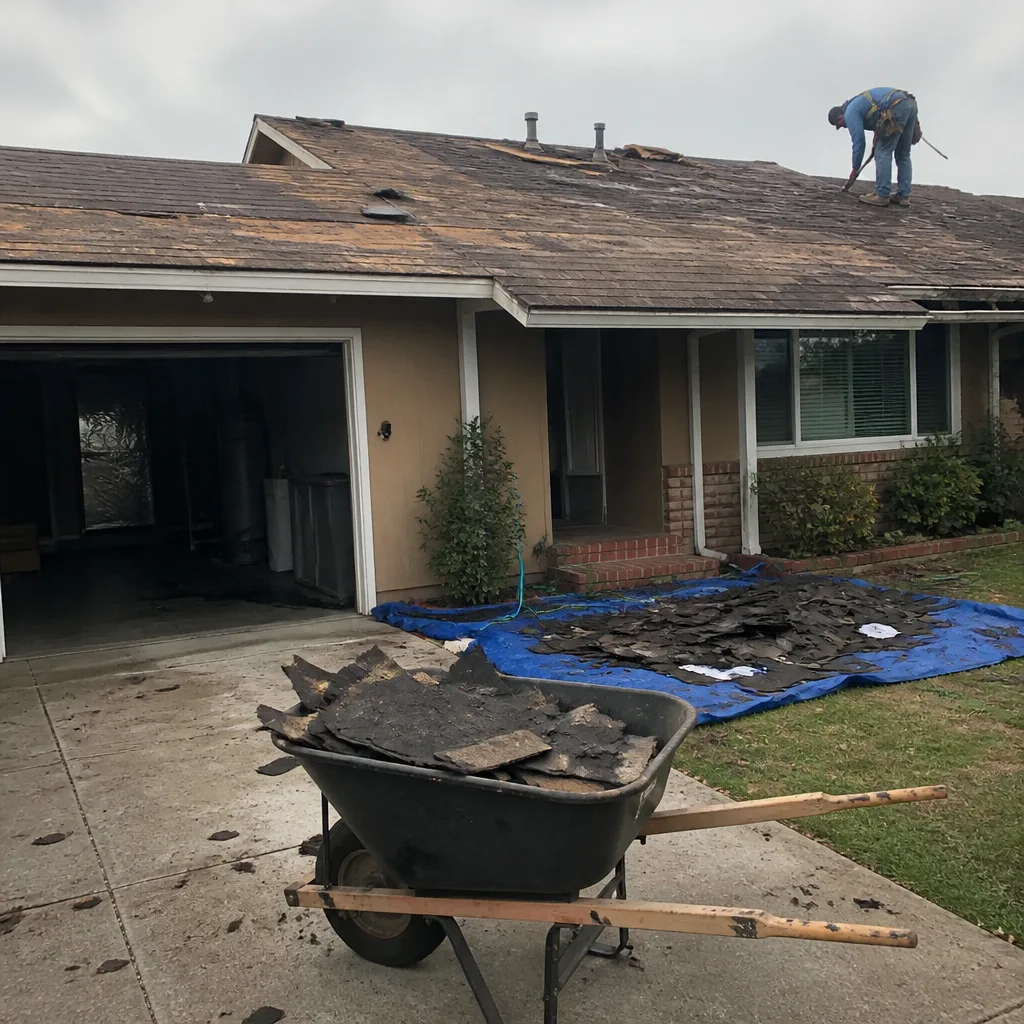 Before
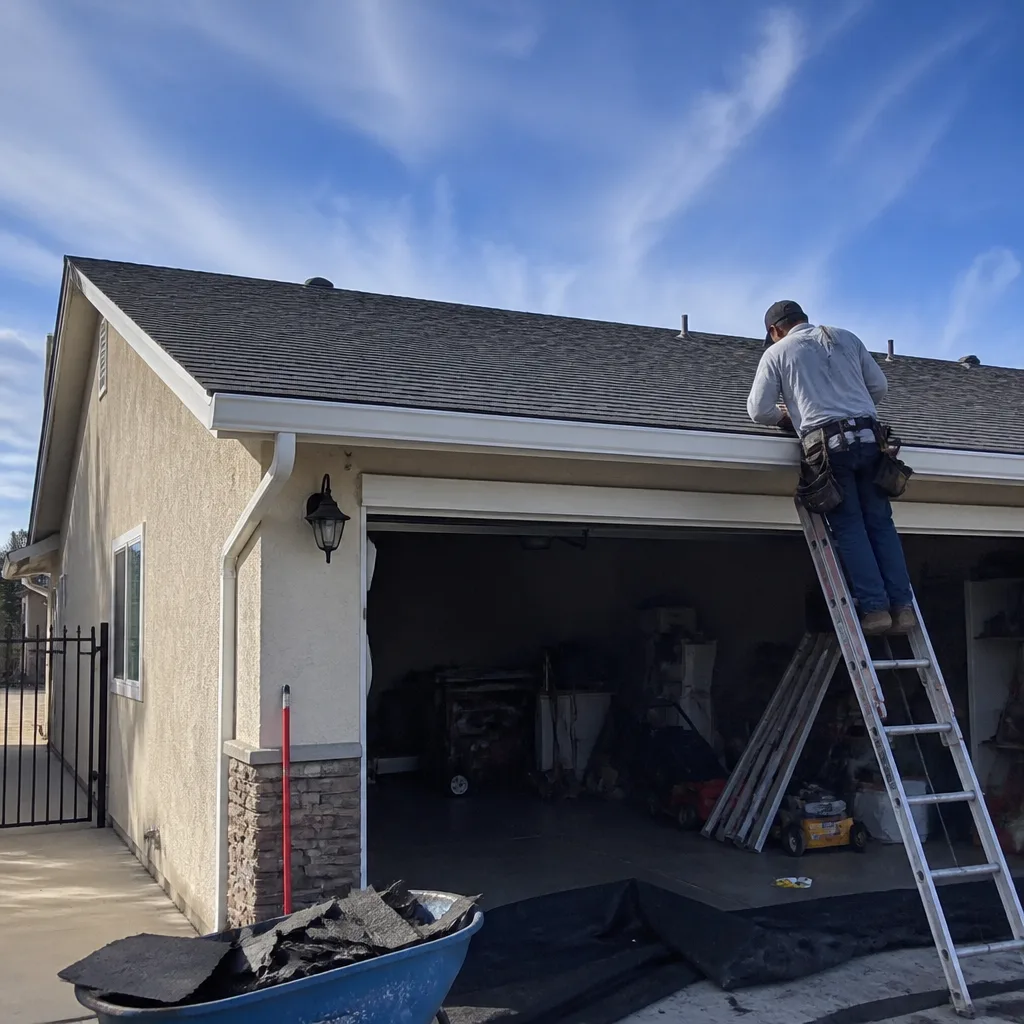 After
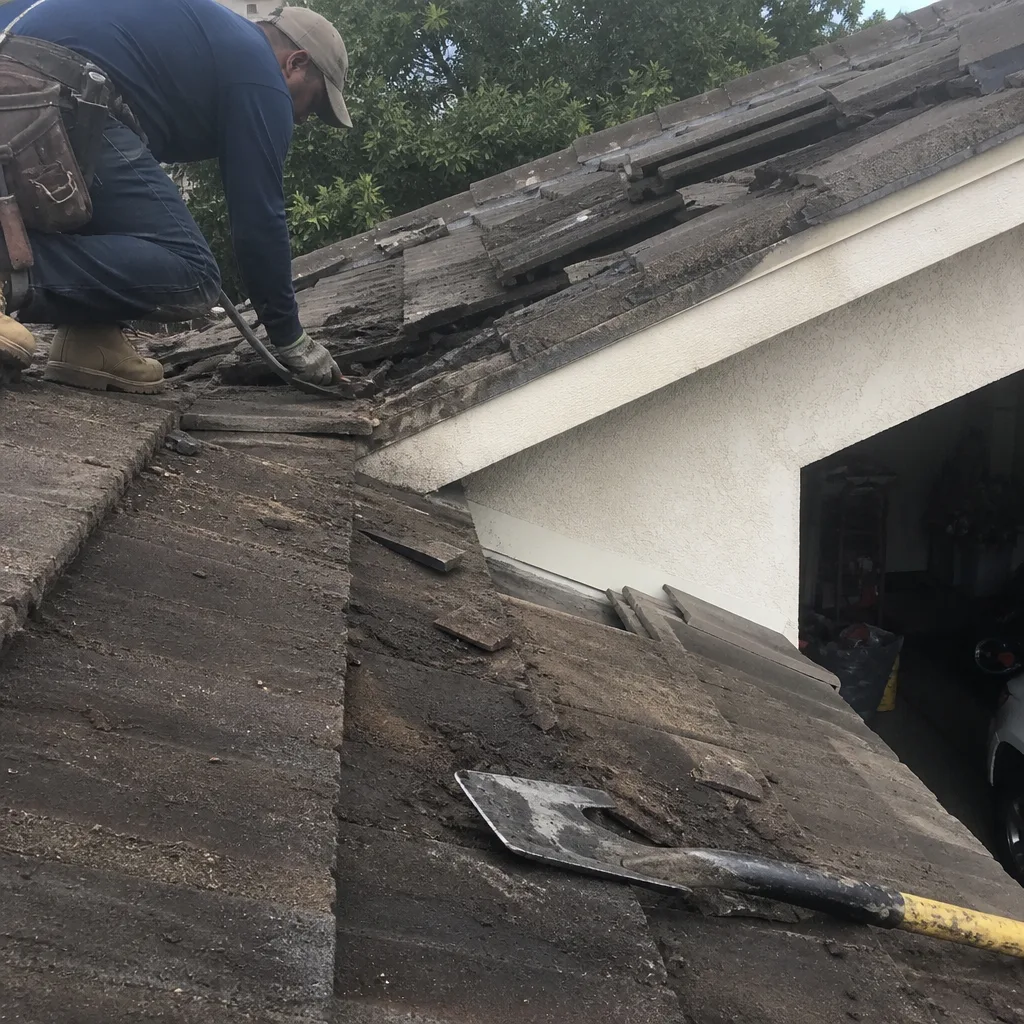 Before
 After
 Before
 After